
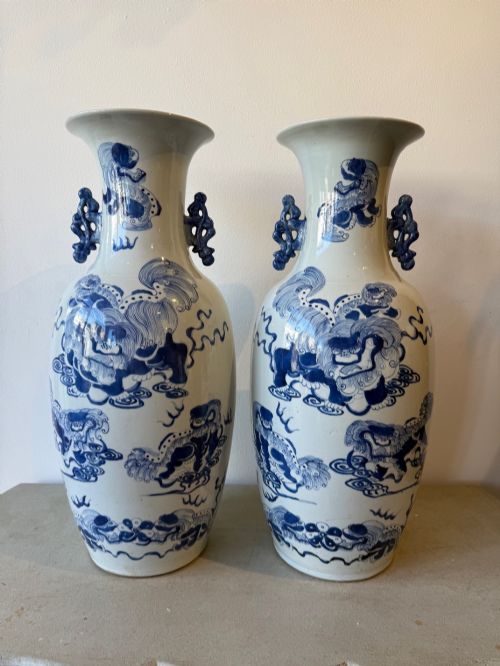
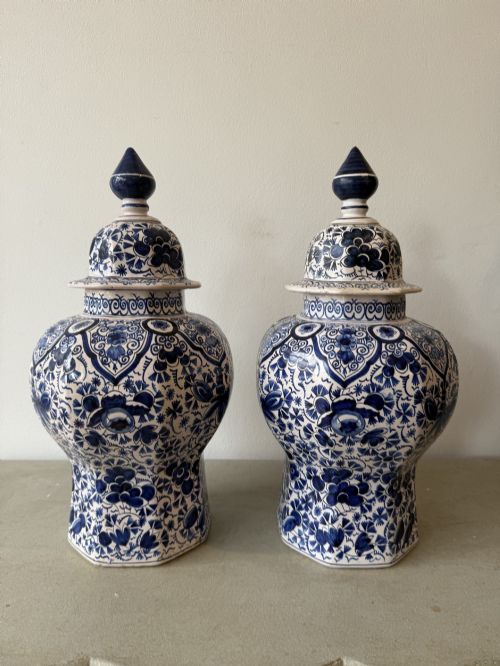


Blue White Baluster Vase
A blue white baluster vase brings a distinctive curving silhouette and cobalt pigment to a room, drawing the eye with centuries of ceramic tradition.
Blue White Baluster Vase
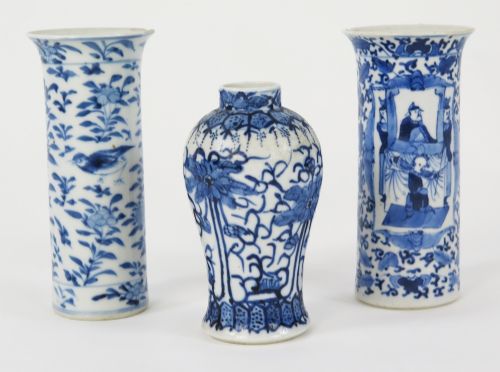
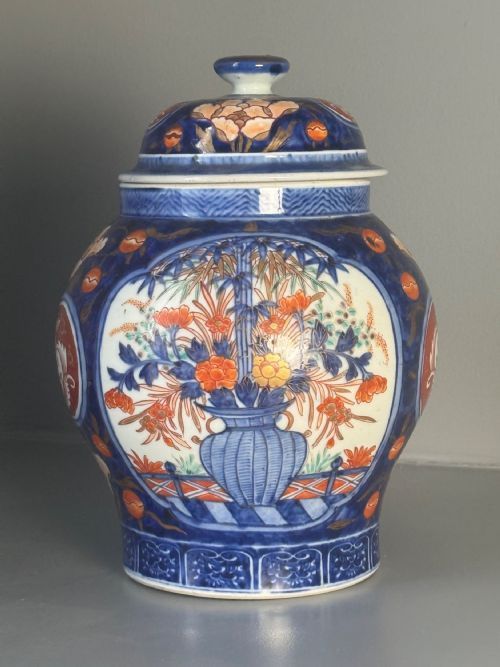
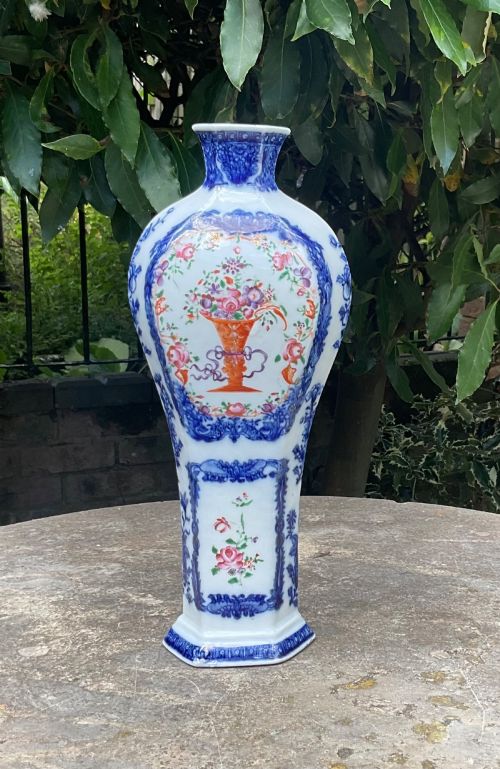
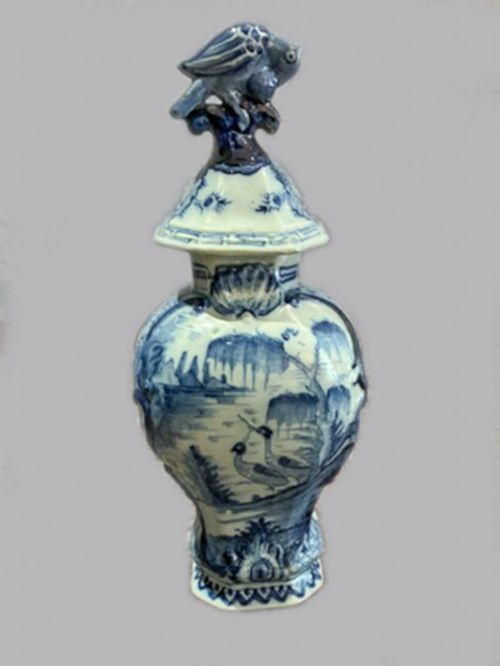
The objects take various functional and decorative guises, including lidded jars, table lamps converted from earlier vessels, and paired ornamental displays. Chinese Qing examples and Dutch Delftware dominate the offerings, alongside Japanese Arita and Imari pieces that apply cobalt pigment to distinct regional bodies. Buyers also find occasional earthenware and ironstone variations that adopt the classic silhouette and colour palette.
Materials and production methods
Makers shaped these vessels primarily from porcelain, ceramic, tin-glazed earthenware, and faience, applying cobalt glaze directly to the surface before firing. Chinese and Japanese workshops utilised refined porcelain clays capable of holding sharp underglaze blue details, while European potters relied on tin-glazing techniques to achieve an opaque white ground for their cobalt painting. Certain pieces incorporate brass mounts or lids, and specific archive examples utilise glass with gilding.
The decorative schemes rely heavily on underglaze painting, capturing botanical motifs, birds, dragons, and Chinoiserie scenes with precise brushwork. Potters threw the bodies on wheels or moulded them in sections, often joining a separate cover to create lidded jar variations. Firing temperatures determined the vitrification of the porcelain and the ultimate depth of the cobalt blue tones.
Scholars retreating to quiet studies clearly needed vigorous dragon motifs and fierce birds on their ceramic jars to maintain focus.
Distinctions in execution and finish
Quality rests in the crispness of the cobalt painting and the balance of the baluster form. Superior pieces exhibit confident, fluid brushwork on the glaze, whereas lesser examples show muddied pigments or hesitant lines. The purity of the white ground beneath the glaze also separates standard production from exceptional examples.
The finesse of the potting defines the higher end of the range, visible in the symmetry of the curving body and the precise fit of any accompanying cover. Age-related characteristics such as glaze crazing and firing imperfections occur naturally across these centuries-old objects, but the strength of the original design dictates the overall standing of the piece.
Mason's Ironstone China·Wedgwood
The Blue White Baluster Vase Glossary
- Baluster
- A vertical, architectural pillar shape characterised by a swelling lower body and a narrow neck that inspired this vase form. The silhouette provides stability while offering a broad canvas for decoration.
- Cobalt glaze
- A metallic oxide pigment applied under the glaze to produce deep blue decoration on white ceramics during firing. It remains stable at high temperatures, yielding the characteristic colouration of these pieces.
- Tin-glazed earthenware
- Pottery covered with a tin oxide opacified glaze that turns white and opaque upon firing, providing a smooth surface for painted decoration. This technique underpins European Delftware production.
- Chinoiserie
- European decorative style reflecting Chinese artistic influences, common in seventeenth and eighteenth-century Delftware. Artisans applied these motifs to mimic imported Asian porcelain.
- Imari
- Japanese porcelain decorated in underglaze blue, iron red, and gold, named after the port from which it was shipped. These pieces often feature intricate floral and brocade patterns.
Blue White Baluster Vase: Frequently Asked Questions
How do I style a blue white baluster vase?
These vessels suit placement on side tables, mantels, or as central focal points on cabinets where their curving profiles stand clear. Their neutral blue and white palette allows them to sit comfortably among both traditional and contemporary interiors.
Pairs look effective displayed symmetrically, while single large examples work well on their own. Some pieces function as converted table lamps, combining ambient lighting with historical ceramic form.
What is the difference between Chinese and Delft examples?
Chinese pieces typically utilise hard-paste porcelain with underglaze cobalt decoration fired at high temperatures. European Delftware relies on tin-glazed earthenware, producing a softer body and an opaque white surface.
Brushwork and stylistic motifs also help distinguish origins, with Chinese vessels often featuring classical dragon, floral, or landscape scenes, and European pieces frequently interpreting those designs through local ceramic traditions.
How should I care for an antique ceramic vase?
Dust the surface gently with a soft, dry cloth to prevent the accumulation of dirt within crevices or around glazes. Avoid using chemical cleaners or abrasive materials that might damage historical surfaces or old repairs.
Keep pieces away from direct sunlight and areas subject to sudden temperature fluctuations to protect the integrity of the glaze and body over time.
Were these vases made with covers originally?
Many baluster forms were produced alongside matching lids to serve as storage jars for spices, tea, or dry goods. Surviving pieces with their original covers intact are designated as lidded vases or jars.
Over the centuries, many covers became separated or lost, leaving numerous baluster vases open-necked as purely decorative vessels.