





Blue Tribal Runner
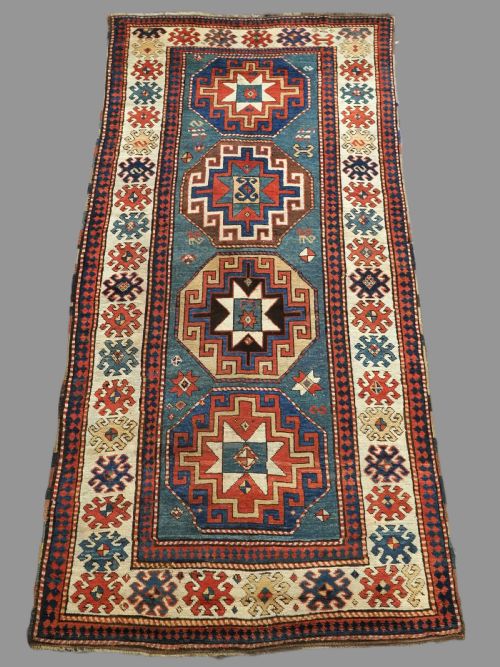
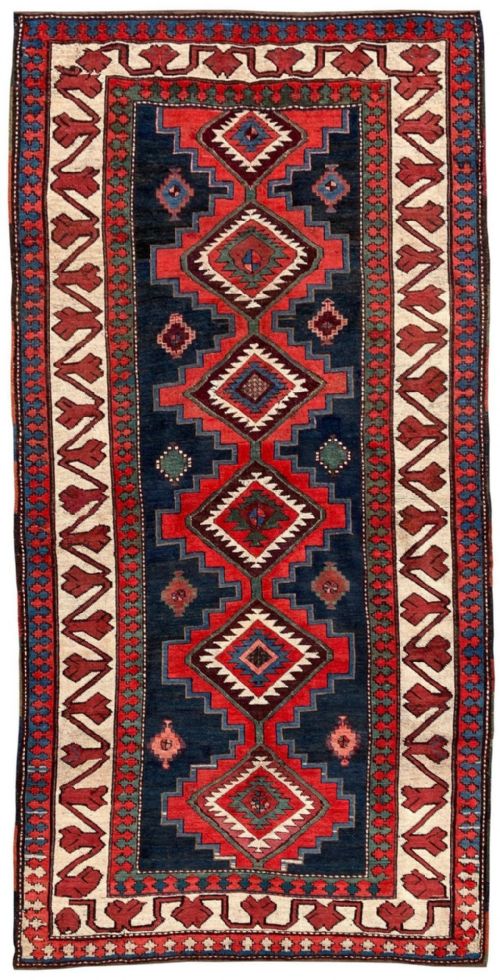
A blue tribal runner brings centuries of nomadic weaving tradition into a hallway with deep indigo wool and geometric village motifs.
Blue Tribal Runner
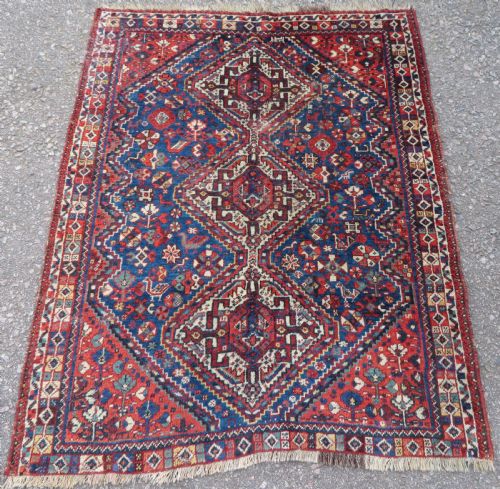
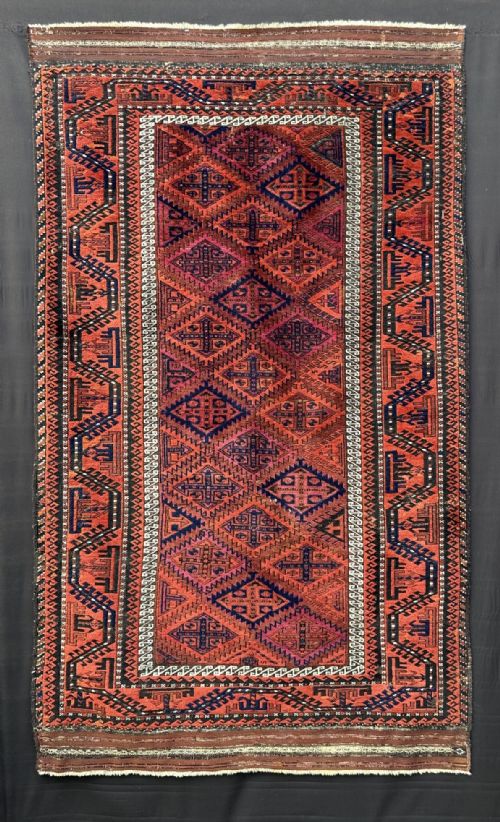
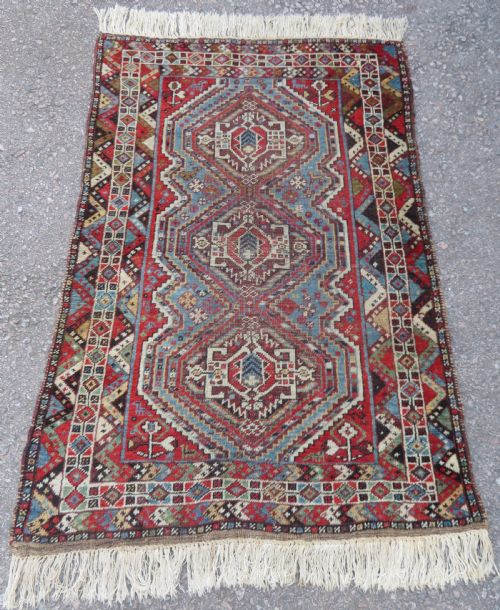
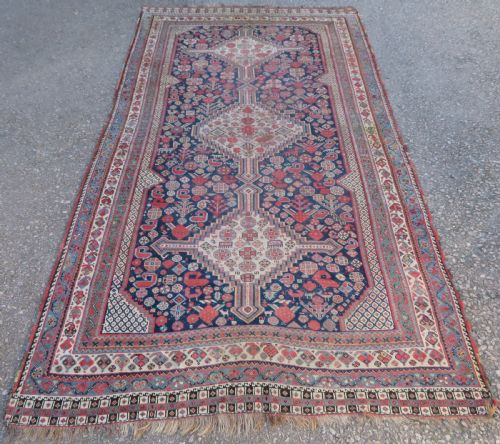
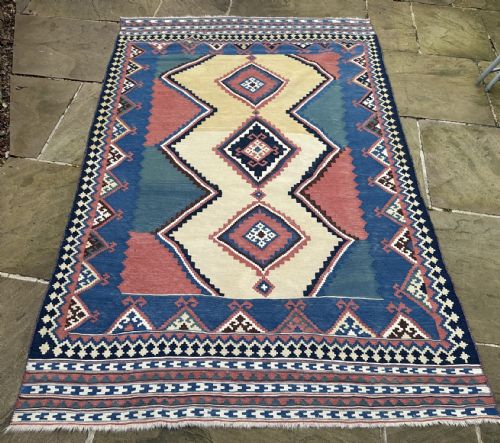
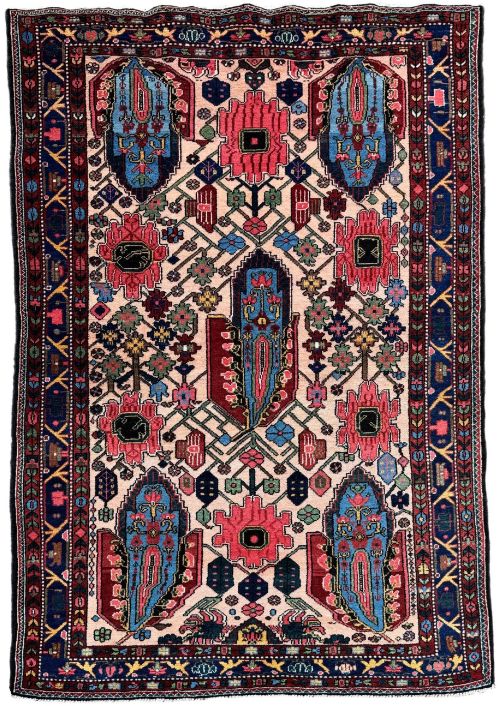
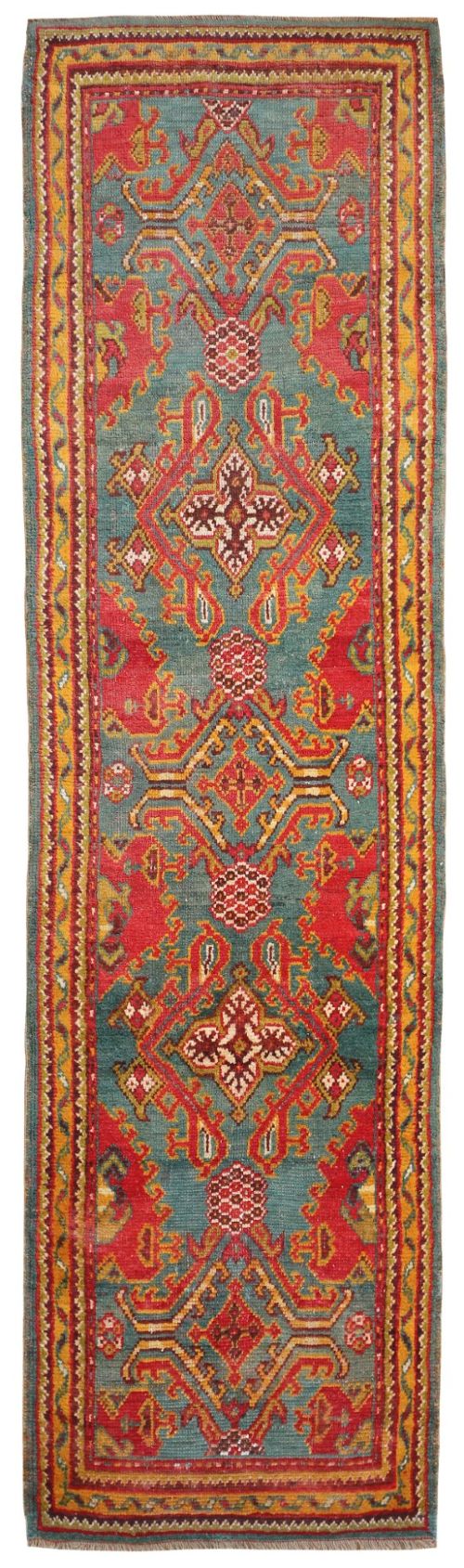
When you search for a blue tribal runner, you are looking at elongated floor coverings woven by village and nomadic communities across Persia, the Caucasus, and Anatolia. These pieces serve primarily as narrow hallway runners or long gallery carpets designed to withstand heavy foot traffic while displaying regional tribal patterns.
The versions you are most likely to meet on this page date from the mid-nineteenth century through the early twentieth century, spanning periods such as 1880, 1900, and 1930. They include specific regional types like Caucasian Kazak, Kurdish, Shirvan, and North West Persian long rugs.
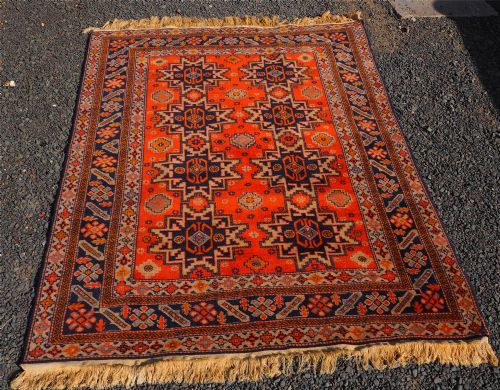
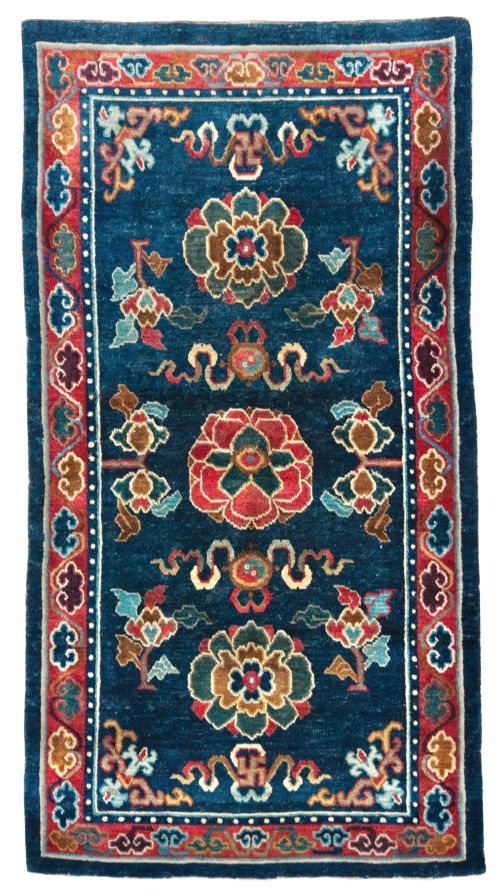
Most examples rely on saturated indigo and navy fields offset by contrasting ivory, madder red, and geometric medallions. Their proportions are typically much longer than they are wide, adapting naturally to corridors and narrow spaces.
How they were made
The foundation and pile of these runners rely heavily on hand-spun wool and cotton, providing a sturdy base for dense knotting. Weavers utilised natural dyes extracted from plants and minerals, yielding rich variations in blue that mature gracefully over decades.
Nomadic and village looms produced sturdy pile carpets through traditional hand-knotting techniques unique to each tribal confederacy. The resulting textiles combine resilience with organic irregularities characteristic of cottage production.
Current listings feature pieces spanning from 1850 to 1930, utilising hand-spun wool, cotton, and natural dyes across Persian, Caucasian, and Anatolian styles.
What varies in quality
The distinction between standard village production and finer weaving lies in the density of the knotting and the crispness of the geometric drawing. Tighter foundations allow intricate lattice and medallion designs to hold their shape along a narrow runner format.
Another measure of quality rests on the depth and purity of the natural dyes used in the blue wool fields. Gradations of indigo, often called abrash, show shifts in tone that indicate successive dye batches rather than uniform chemical saturation.
The Blue Tribal Runner Glossary
- Abrash
- Natural variations in colour across the wool field caused by changes in dye batches or hand-spun yarn lots.
- Kelleh
- A large, elongated format carpet that sits between a standard rug and a long hallway runner in traditional proportions.
- Prayer rug
- A small rug featuring a mihrab or arch design traditionally oriented towards Mecca during daily prayers.
- Natural dyes
- Colourants derived from plant, insect, and mineral sources prior to the widespread adoption of synthetic aniline dyes in the late nineteenth century.
Blue Tribal Runner: Frequently Asked Questions
Where should I place a long runner?
These narrow formats work best in hallways, corridors, and long entryways where floorboards need protection and visual warmth. Their elongated proportions guide the eye down a passage while handling daily foot traffic.
Ensure you place an appropriate underlay beneath the wool pile to prevent slipping on hard wooden or tiled surfaces.
How do I clean an old wool rug?
Gentle surface brushing and regular light vacuuming without a rotating beater bar remove embedded grit from the wool pile. Avoid soaking the foundation or using harsh chemical detergents that strip natural lanolin from the fibres.
Professional textile conservators should handle deep washing to protect organic dyes and hand-spun materials.
Are these runners made by nomads?
Many pieces originate from tribal confederacies, village workshops, and nomadic groups living across the Caucasus, Persia, and Anatolia. Weavers produced them on portable or stationary looms using local materials and traditional motifs passed down through generations.
Design elements often reflect the specific clan, region, or weaving traditions of the makers.
Why do the blue tones vary?
Hand-spun wool absorbs indigo dye differently across various yarn batches, creating subtle horizontal bands of colour known as abrash. This characteristic shows the organic dyeing process rather than uniform industrial manufacturing.
Over time, exposure to light and air mellows these shades into deeper patinas.