




Blue Tribal Carpet
A blue tribal carpet brings geometry, history and depth to a floor.
Blue Tribal Carpet
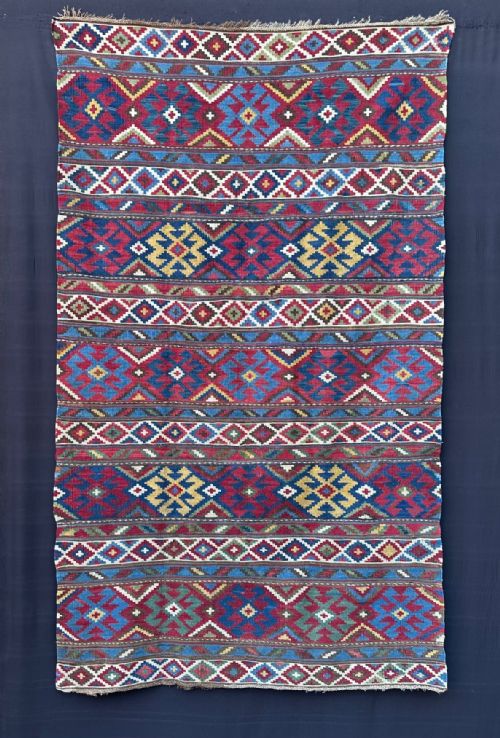
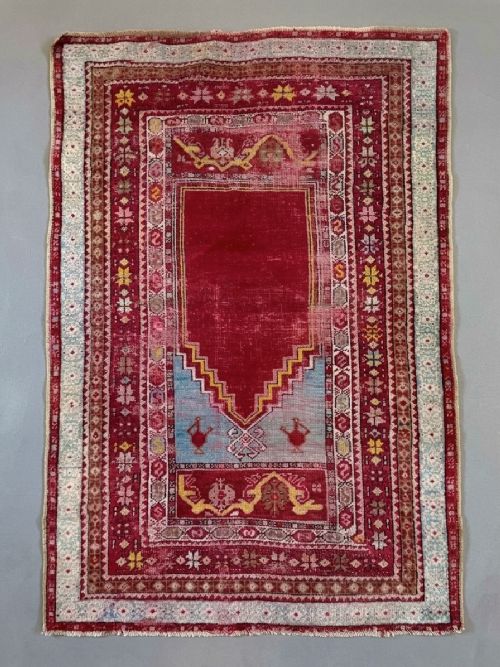
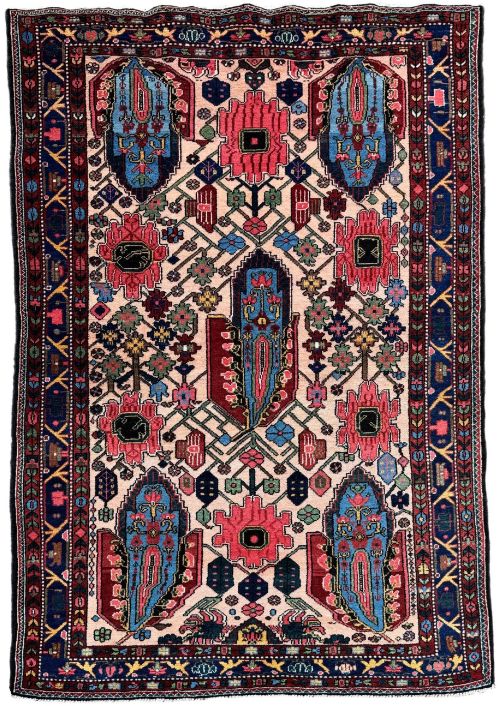
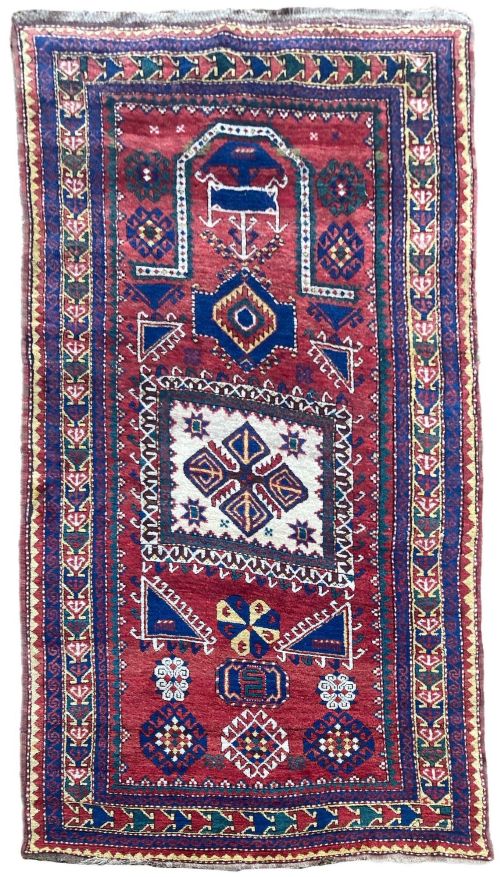
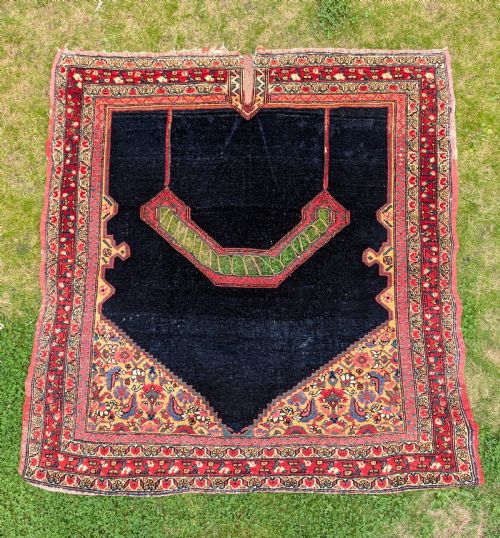
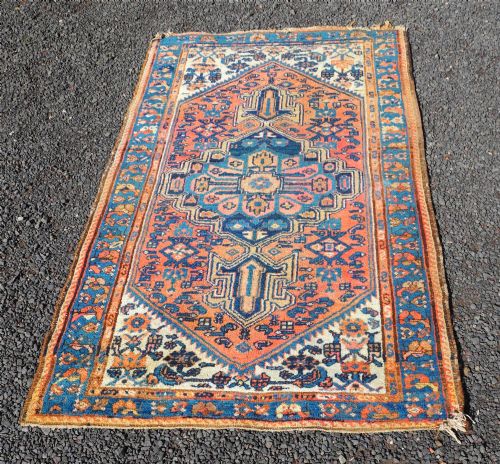
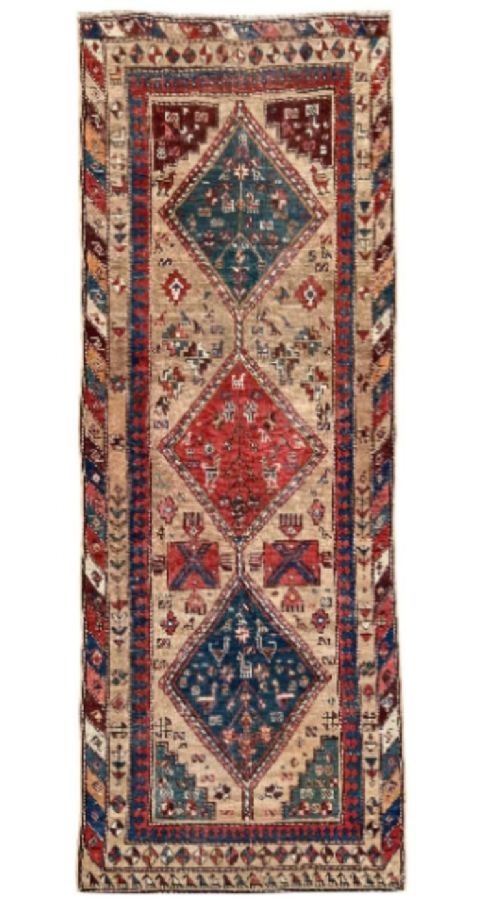
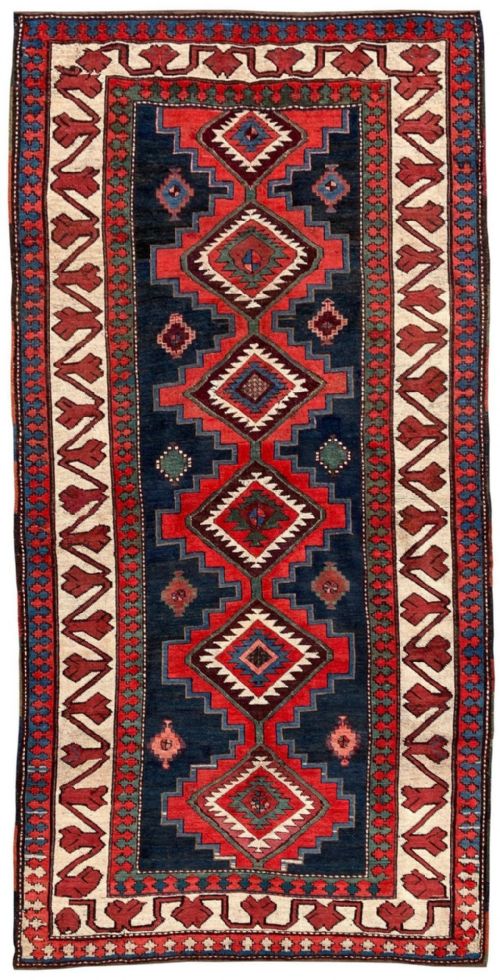
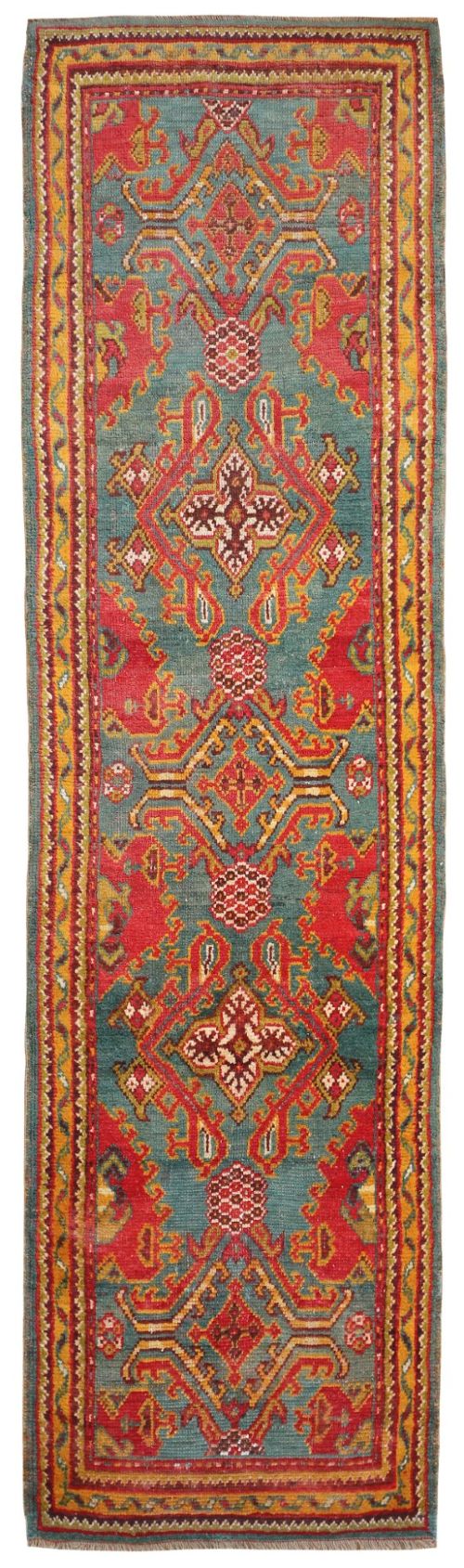
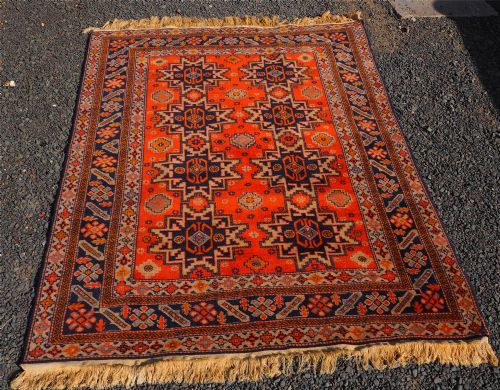
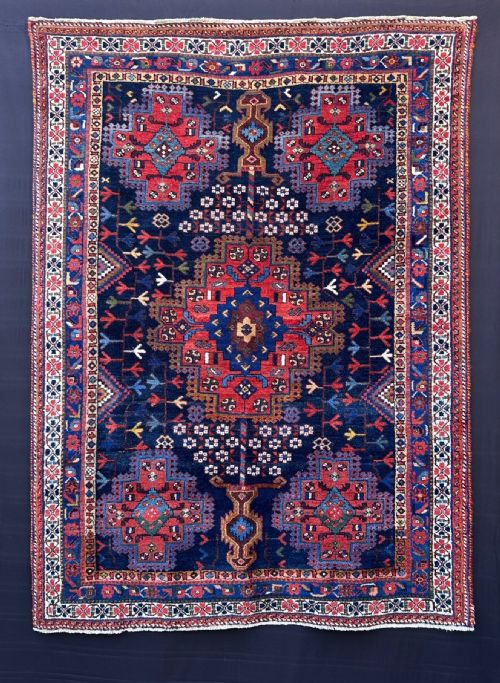
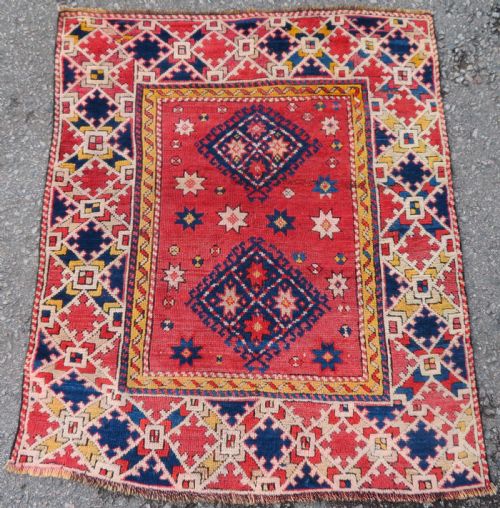
A blue tribal carpet represents the woven traditions of village and nomadic makers across Persia, the Caucasus and Anatolia. These pieces span from the mid nineteenth century into the twentieth century, taking the form of area rugs, long runners, prayer rugs and saddle covers.
The most common examples on this page are hand-knotted wool rugs featuring distinct geometric medallions, lattice patterns and field designs. They originate from specific regional groups such as Kazak, Khamseh, Bakhtiar and Afshar.
How they were made
These textiles rely on hand-spun wool for both the pile and the foundational warp and weft threads. Makers utilise natural dyes to achieve rich tones of indigo and blue alongside earthy secondary shades.
The construction is entirely hand-knotted, resulting in dense, durable floor coverings designed for practical daily use. Village weavers worked on upright vertical looms without pre-drawn paper cartoons, relying on memory and tribal tradition.
Blue Tribal Carpet Retail Price Guide 2026
Typical asking prices for blue tribal carpet among the pieces listed under this phrase on Sellingantiques today, from the lower quarter to the upper quarter. They describe what is for sale here now, not the wider market.
Some weavers included tiny misplaced motifs or rogue knots, leaving a quiet fingerprint of human error in the geometry.
What varies in quality
Quality rests in the tightness of the knotting, the handling of the wool and the clarity of the design motifs. A finer foundation creates sharper geometric lines and greater longevity underfoot.
The depth and saturation of the natural dyes dictate visual success. Subtle variations in tone, often called abrash, show where different dye batches met within the field.
The Blue Tribal Carpet Glossary
- Abrash
- A natural variation of colour within a single field, caused by changes in dye batches or wool lots.
- Warp
- The vertical threads stretched tightly on the loom that carry the foundation of the rug.
- Weft
- The horizontal threads passed back and forth between warp threads to lock the knots in place.
- Pile
- The upright cut ends of the wool knots that form the usable surface of the carpet.
Blue Tribal Carpet: Frequently Asked Questions
How do I clean an old wool rug?
Regular gentle vacuuming without a beater bar removes dry grit from the wool pile. Professional specialist cleaning remains essential for deep washing.
Water saturation and harsh domestic detergents risk damaging natural dyes and the underlying cotton foundation. Seek out restorers who understand antique textile conservation.
Can I place these carpets in hallways?
Many examples on this page take the form of long runners suited to corridors and narrow spaces. The dense wool pile handles moderate foot traffic well.
Utilising a quality underlay prevents slipping and cushions the foundation threads against hard stone or timber floors. This extra layer reduces friction and extends the lifespan of the piece.
How do I identify regional styles?
Regional attribution relies on specific structural traits, palette choices and characteristic geometric motifs. Caucasian pieces often display bold polygons and primary colours, while Persian village rugs favour intricate medallions and floral abstractions.
Comparing the weave density, edge binding and wool texture helps isolate the likely origin workshop or tribal confederacy.