


Blue Transfer Printed Earthenware
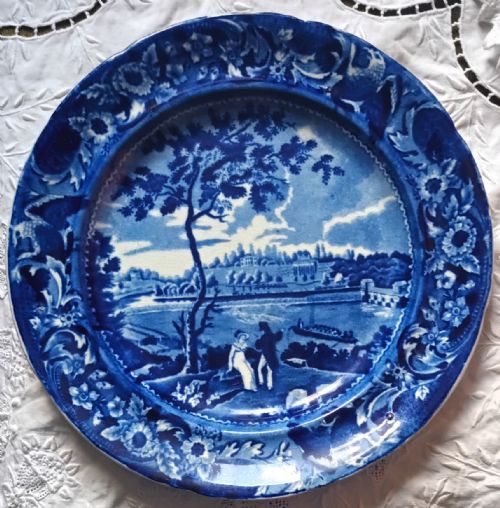
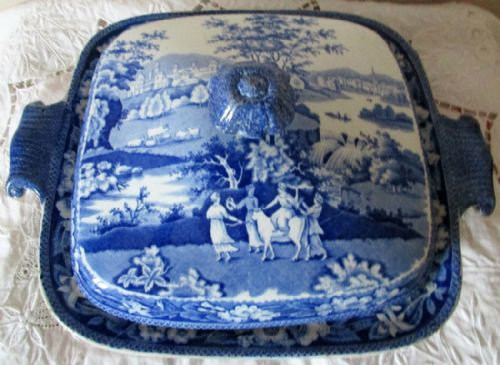
Blue transfer printed earthenware brings domestic British tables of the Georgian and Victorian eras alive with cobalt scenes ranging from pastoral landscapes to classical ruins.
Blue Transfer Printed Earthenware
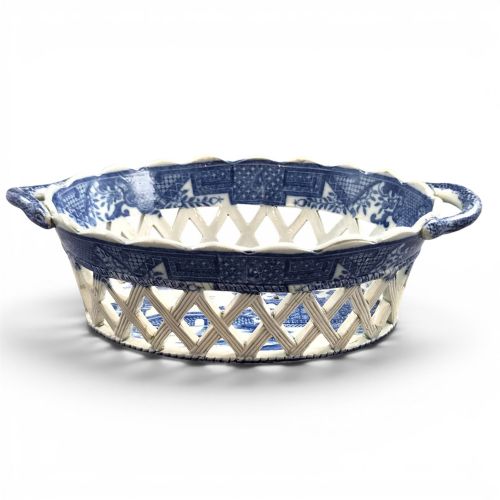
Blue transfer printed earthenware pieces comprise functional domestic pottery items such as plates, meat platters, tureens, jugs, and chestnut baskets decorated through an engraved metal transfer method. These vessels date principally from the nineteenth century, spanning Georgian, Regency, and Victorian periods.
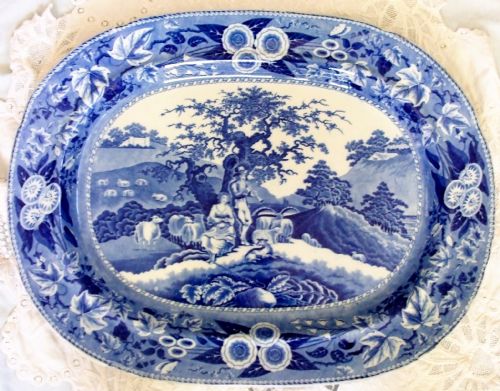
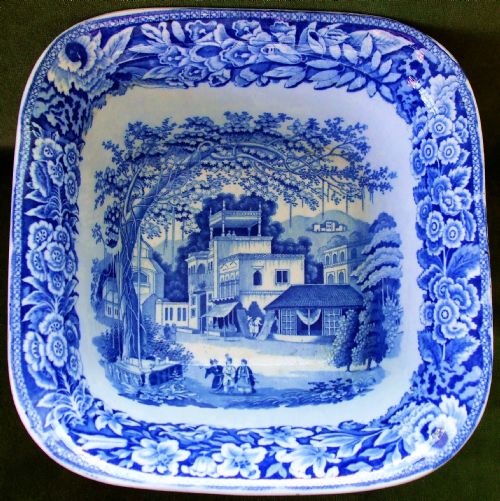
Buyers encounter a high proportion of flatware and serving dishes, often bearing named topographical, literary, or botanical patterns transferred in rich cobalt pigment upon a white ceramic body. Common forms include large meat dishes with gravy wells, vegetable tureens with covers, and commemorative mugs.
The aesthetic bridges utilitarian kitchenware and display ceramics, reflecting an industrialising Britain's fascination with global vistas, rural idylls, and Chinoiserie motifs. Each object carries the visual vocabulary of Staffordshire potters working in a mature commercial medium.
Factors of distinction
Quality rests upon the crispness of the copperplate engraving and the register of the transfer print, where blurred lines and smudged cobalt indicate rushed production or a worn plate. Well-executed pieces maintain sharp architectural details and clean tonal gradients within complex scenes.
The sophistication of the ceramic body itself alters the grade, moving from standard porous earthenware to refined pearlware with a subtle blue-tinted glaze. Original matching elements, such as ladles with tureens or covers paired with bases, elevate the integrity of a vessel.
Listings feature items spanning the Georgian, Regency, and Victorian periods, executed in earthenware, pearlware, and lead glaze.
J. & R. Clews·J. & R. Riley·Stubbs·Thomas Lakin·Brameld & Co.·Mason·John Rogers & Son·Ridgways
The Blue Transfer Printed Earthenware Glossary
- Transfer printing
- A mechanical method of decorating ceramics by pressing paper stamped from an engraved copper plate onto a clay body. This technique allowed factories to mass-produce detailed pictorial designs consistently.
- Pearlware
- A refined earthenware body developed around the late eighteenth century containing a small amount of cobalt in the glaze to produce a pale bluish-white tint. It served as a popular substrate for early nineteenth-century blue patterns.
- Biscuit
- Fired but unglazed pottery that is ready to absorb decoration and liquid glaze before its final stint in the kiln. The porous state ensures the cobalt pigment bonds effectively with the ceramic body.
- Reticulated
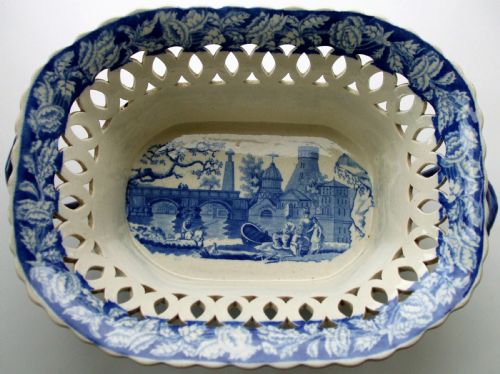
- Decorated with an openwork net or trellis pattern cut into the clay before firing, commonly seen on chestnut baskets and fruit dishes. This delicate piercing required skilled handiwork to prevent distortion in the kiln.
- Gravy well
- A sunken depression or channel built into the surface of large meat platters to collect juices during carving. It represents a practical innovation in nineteenth-century dining tableware.
Blue Transfer Printed Earthenware: Frequently Asked Questions
How were these dishes used originally?
These vessels formed the backbone of nineteenth-century dining, serving large joints of meat, soups, vegetables, and beverages at communal tables. Platters with gravy wells and lidded tureens catered to multi-course family meals and formal entertaining.
Smaller items like child's plates and pint tankards served educational or personal functions within schools and households. Over time, many transitioned from active dining rooms to cabinet display as their decorative merit gained appreciation.
How do I identify the pattern name?
Many transfer printed pieces carry a printed or impressed maker's mark on the underside alongside a title cartouche that names the specific view or pattern. Topographical scenes often reference actual locations such as Boston State House or Richmond, Yorkshire.
When text is absent, collectors match the decorative border, floral motifs, and central vignette against established design archives. Distinct borders frequently serve as the primary signature for attributing anonymous pieces to specific Staffordshire potteries.
What separates Regency from Victorian examples?
Regency and early nineteenth-century pieces frequently employ pearlware bodies with a characteristic blueish glaze tint and crisp, deeply etched cobalt prints. The patterns often focus on classical ruins, romantic landscapes, and American historical views.
Victorian items tend to utilise heavier earthenware bodies with brighter white glazes, expanding into Chinoiserie revivals and dense botanical arrangements. Maker's marks on Victorian wares also become more standardised with registration numbers and stamped factory titles.