




Blue Terracotta Oriental Rug
When seeking a blue terracotta oriental rug, you are looking at hand-knotted wool and cotton floor coverings woven across Persia and the Caucasus during the nineteenth and early twentieth centuries.

Blue Terracotta Oriental Rug
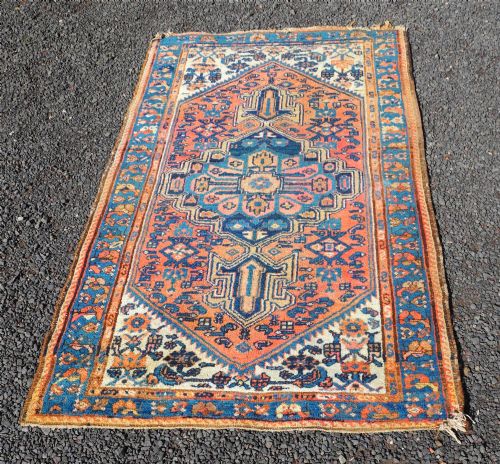
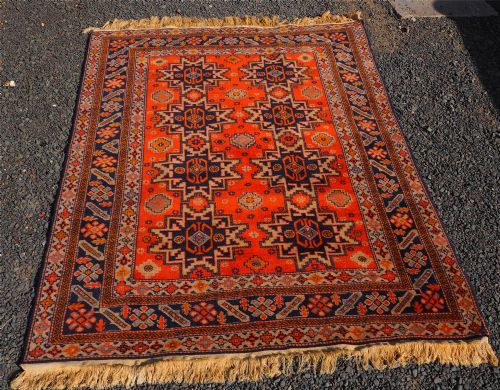
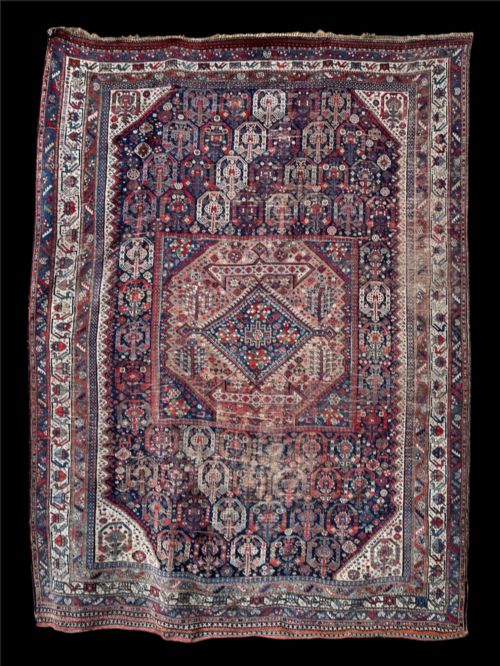
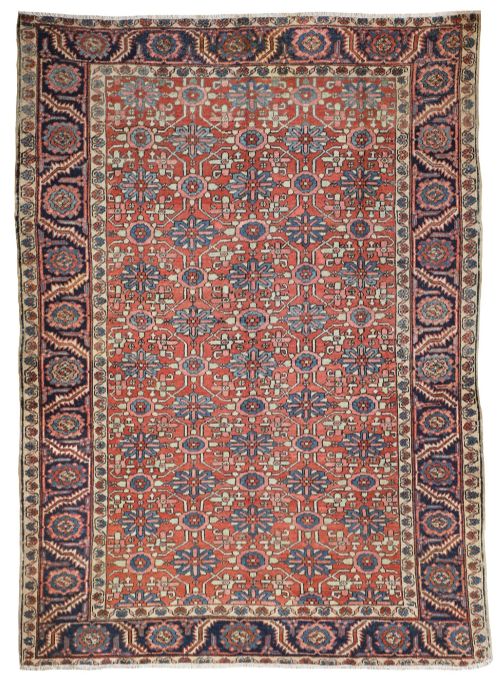
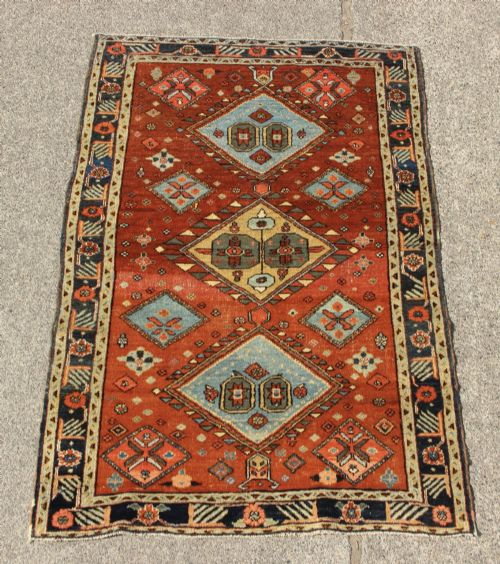
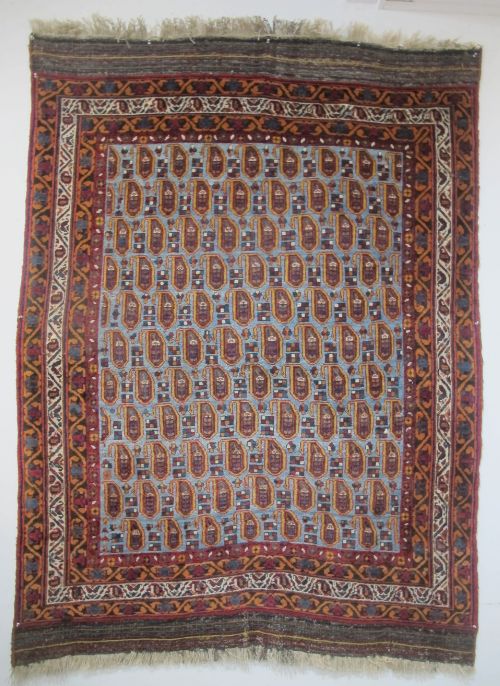
A blue terracotta oriental rug encompasses woven floor coverings originating from traditional workshops and tribal confederacies in Persia and the Caucasus. These pieces span production from the late nineteenth century into the 1930s, reflecting regional designs such as Heriz, Afshar, Bakhtiari, and Caucasian types.
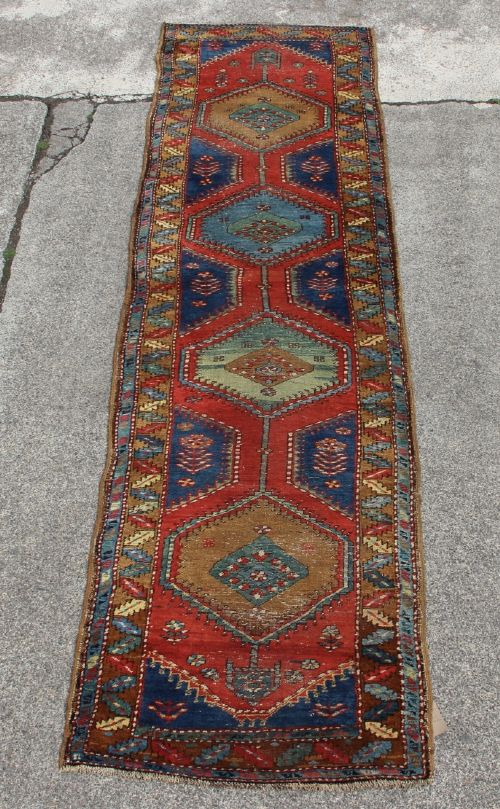
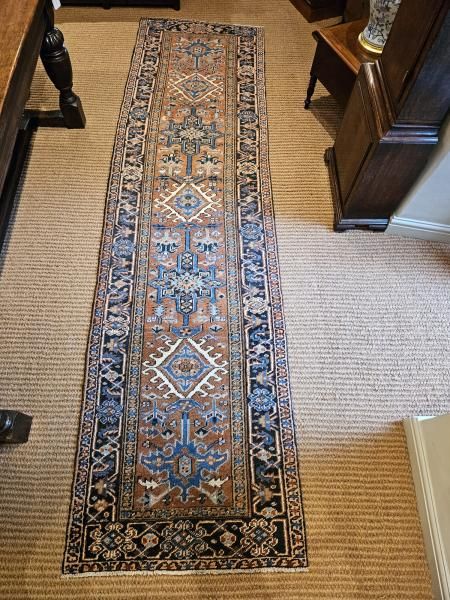
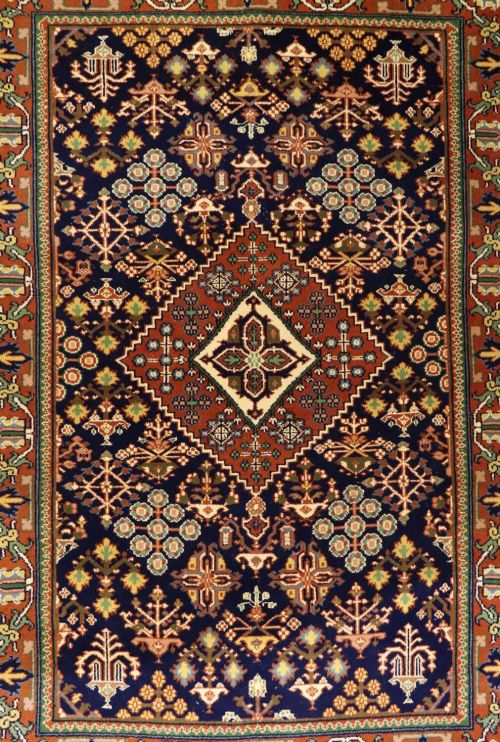
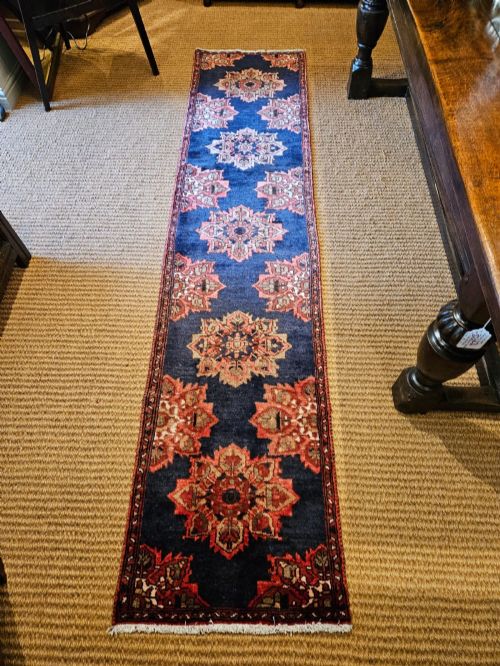
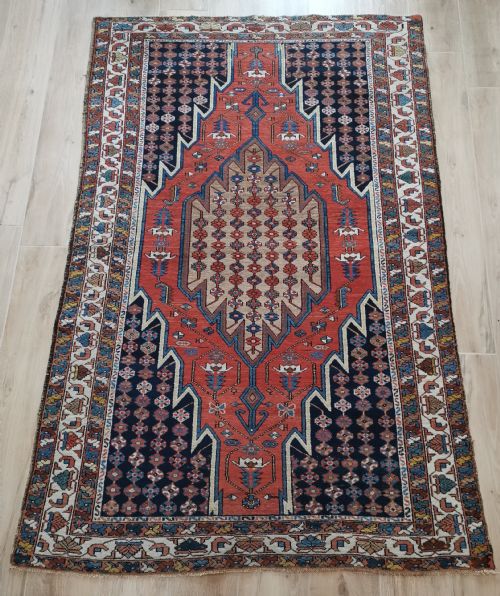
The most common examples on this page are room-sized Heriz carpets and long runners originating from Northwest Persia. These pieces typically display geometric medallions and substantial field proportions suited to domestic interiors.
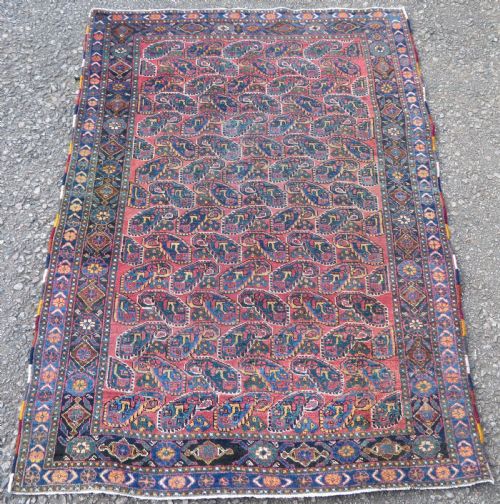
Buyers encounter distinct tribal weaves alongside city-produced carpets, ranging from compact village rugs to oversized formats like Oushak and Serapi carpets. Each type maintains the structural conventions and wool qualities of its specific geographic origin.
Materials and construction methods
The pieces listed record the use of wool piles knotted onto cotton foundations, utilising natural dyes to achieve deep colour palettes. Artisans employed hand-knotting techniques to secure the pile, creating durable surfaces capable of sustaining heavy domestic use.
Weavers utilised natural dyestuffs derived from plants and minerals to colour the wool yarns, producing organic variations across the textile. Foundation structures predominantly consist of spun cotton warp and weft threads that maintain the geometric alignment of the design.
The listings span periods from the 1870s through the 1930s, featuring wool and cotton materials coloured with natural dyes.
Distinctions in execution and scale
Quality separates through knot density and the precision of the geometric or floral layout across the field. Superior examples display tighter pile manipulation and refined drawing within medallions and borders.
The integrity of the natural dyes and the balance of the colour palette determine the visual success of the piece. Master workshops achieved harmonious saturation that contrasts with simpler village or tribal productions.
The Blue Terracotta Oriental Rug Glossary
- Medallion
- A central ornamental motif positioned in the middle of the rug field. This design element often anchors the surrounding geometric or floral patterns.
- Warp
- The vertical threads stretched lengthwise on the loom that form the structural foundation of the textile. Weft threads are interlaced across these vertical foundations.
- Runner
- A long, narrow carpet format designed primarily for hallways, corridors, or narrow passageways. These pieces measure significantly longer than their width.
- Natural Dyes
- Colourants extracted from organic sources such as plants, insects, and minerals rather than synthetic chemicals. These dyes yield nuanced tones that age with subtlety.
Blue Terracotta Oriental Rug: Frequently Asked Questions
What defines a Heriz carpet?
A Heriz carpet originates from Northwest Persia and is recognised for its bold geometric medallions and sturdy construction. These carpets typically employ thick wool knotted onto cotton foundations to create resilient floor coverings.
Workshop weavers in this region favoured robust, stylized floral and geometric motifs rather than curving, intricate court designs. Their durable nature made them popular choices for substantial domestic spaces.
How do tribal rugs differ from city rugs?
Tribal rugs are woven by nomadic or village groups using memory patterns and local materials, resulting in spontaneous geometric compositions. City rugs are produced in established workshops from precise cartoon drawings.
Village pieces often display charming asymmetries and idiosyncratic motifs unique to the weavers. City productions maintain strict symmetry and finer knot densities throughout the field.
How should I care for an antique wool rug?
Antique wool rugs require gentle maintenance, including regular vacuuming without a rotating brush bar to protect the pile. Professional cleaning suited for natural dyes preserves the integrity of the wool.
Placing a breathable underlay beneath the carpet prevents slippage and reduces friction against hard flooring. Limiting direct, prolonged exposure to harsh sunlight protects the natural dyes from fading.
What is a Caucasian dragon sumak?
A Caucasian dragon sumak is a flat-woven textile utilising a specific wrapping technique rather than a knotted pile. These pieces frequently incorporate stylized dragon motifs and ancient geometric symbols.
The sumak technique wraps the weft threads around the warps to create a textured, durable surface without a raised pile. Their distinct regional iconography separates them from standard pile-woven oriental carpets.