



Blue Seaside Artwork
Blue seaside artwork captures coastal life and harbours through historic watercolours and oils that bring the open air indoors.
Blue Seaside Artwork
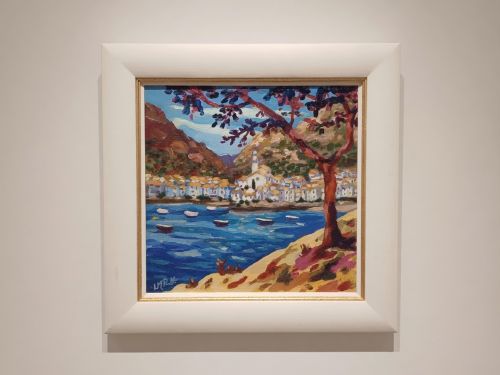
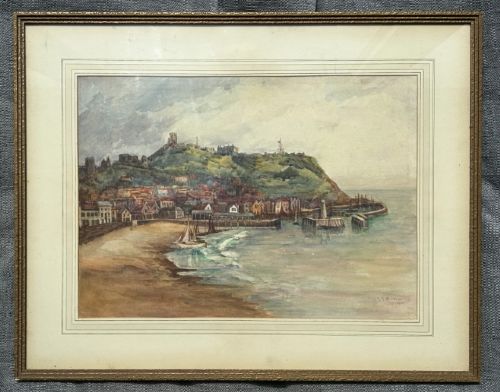
When you search for blue seaside artwork, you encounter coastal scenes ranging from late nineteenth century watercolours to mid century oil paintings. These pieces depict British and European shores, featuring harbours, fishing boats, and sandy beaches.
The selection includes framed works on paper, canvas, and board, often reflecting periods such as the Victorian era, Edwardian period, and post impressionist movements. Cornwall, Yorkshire, and French coastal locations appear frequently across the collection.
Materials and techniques
Artists utilise watercolour on paper to capture the luminous atmosphere of coastal light and sea spray. Alternatively, oil paint applied to canvas, board, or wood provides richer textures for rendering cliffs, waves, and shorelines.
Framed compositions rely on traditional media applied by hand, showing brushwork and pigment layering characteristic of nineteenth and twentieth century painting methods.
Listings span from the nineteenth century to later than nineteen sixty, incorporating watercolours, oils, canvas, and paper.
Distinctions in quality
Quality depends on the artist's ability to handle natural light and coastal atmosphere convincingly, separating accomplished works from ordinary topographical records. Stronger pieces display confident brushwork and precise colour harmony within the blue and grey maritime palette.
Condition also influences value, particularly the preservation of paper against foxing and the stability of oil paint on canvas or board over decades of display.
William Banks Fortescue·Sir Thomas Newenham Dean·Sir William Russell Flint·Yves Brayer·Harry John Pearson
The Blue Seaside Artwork Glossary
- Watercolour
- A painting method where fine pigment is mixed with water-soluble binders and applied to paper. This medium allows for transparent washes that suit luminous marine skies.
- Oil on canvas
- A technique using pigments suspended in drying oils applied to stretched woven fabric. This combination permits deep colour saturation and textured impasto on coastal subjects.
- Impressionism
- A nineteenth and twentieth century style focusing on accurate depiction of light in its changing qualities. Artists working in this manner prioritize open brushwork over rigid detail.
- Topographical
- Representing a specific actual place with descriptive accuracy. These coastal views often record named harbours, piers, and bays.
Blue Seaside Artwork: Frequently Asked Questions
What periods do these coastal paintings cover?
The works span from the late nineteenth century through the Edwardian era and into the mid twentieth century. Later pieces extend past nineteen sixty.
This range allows collectors to choose between traditional Victorian watercolours and modernist interpretations of the shore.
Which materials were used for these artworks?
Painters employed watercolours on paper alongside oils applied to canvas, wood panels, or boards. Each material creates a distinct surface texture.
Paper watercolours offer delicate transparency, while oil paintings deliver robust impasto and depth.
Where do most of these coastal scenes originate?
Many depict British locations including Cornwall, Yorkshire, Dorset, and East Anglia, alongside French coastal views. Harbours, piers, and beaches form the primary subjects.
Topographical accuracy varies from specific named bays to general impressionistic interpretations of the sea.
How should I display historic maritime paintings?
Historic watercolours require protection from direct sunlight to prevent fading of the delicate pigments on paper. Framing under glass shields the surface from atmospheric dust and moisture.
Oil paintings on canvas or board tolerate ambient room conditions better but benefit from stable humidity levels.