


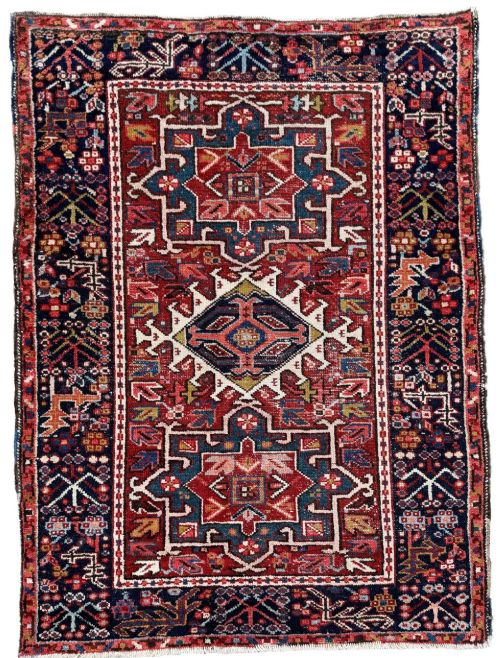



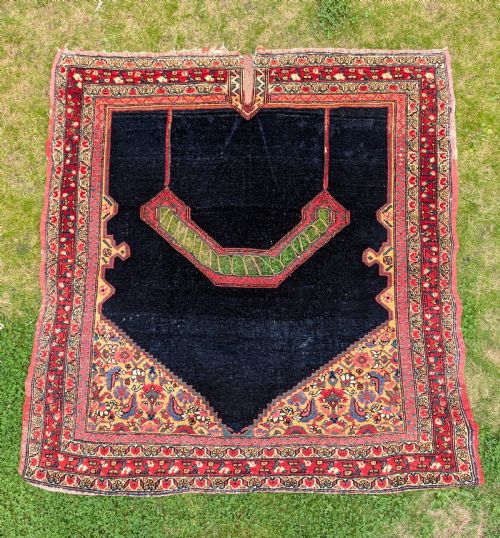
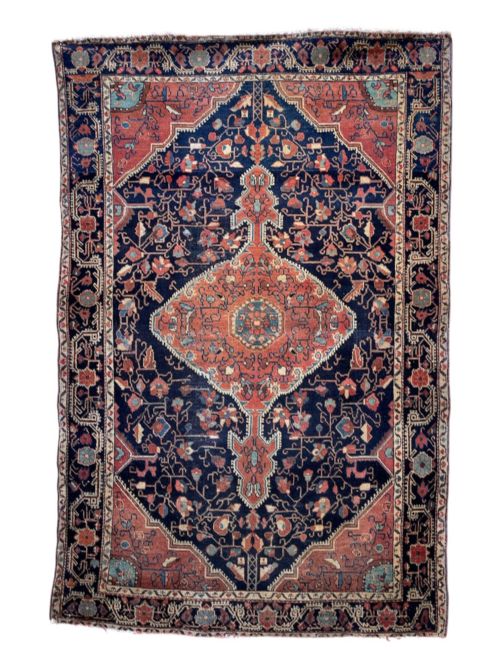

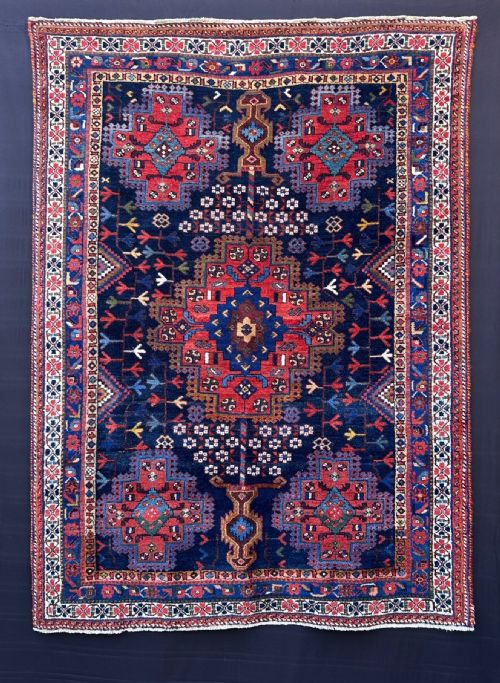
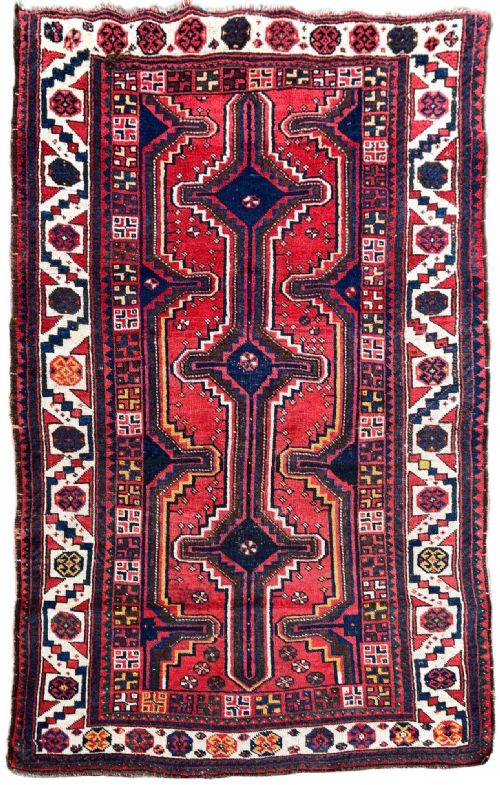
Red Blue Persian Rug
A red blue persian rug brings deep indigo and crimson dye into a room through intricate hand-knotted wool and cotton construction.
Red Blue Persian Rug
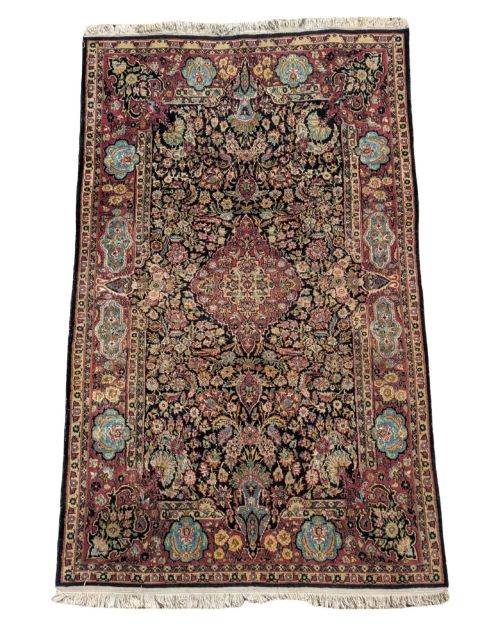
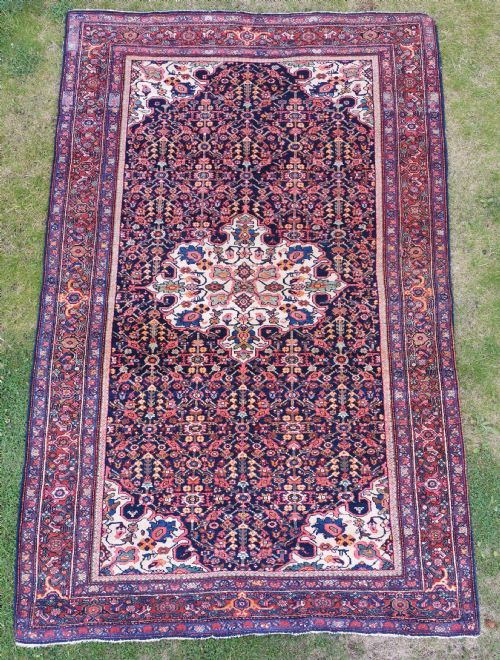
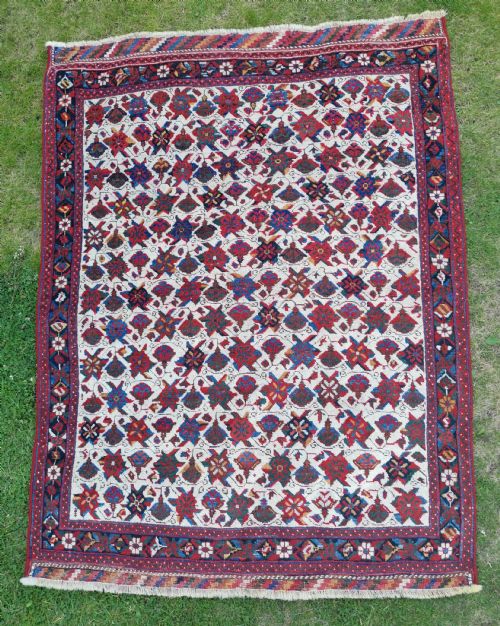
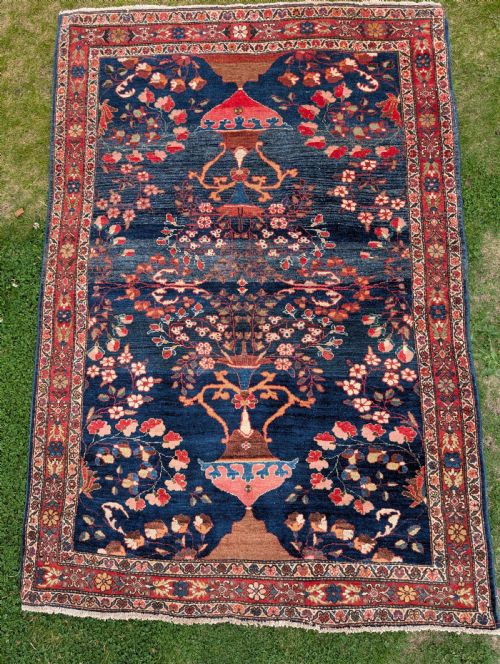
A red blue persian rug spans traditional Persian styles, tribal designs and specific regional weaves originating from the nineteenth and twentieth centuries. These floor coverings arrive in various formats including area rugs, long rugs and larger carpets.
The selections available here showcase distinct regional identities such as Afshar, Kashan, Kurd-Bidjar, Qashqai, Khamseh and Fereghan. Each piece reflects the particular aesthetic of its origin, ranging from geometric medallion layouts to traditional motifs.
Buyers encounter examples dated across several decades, including pieces from eighteen seventy, eighteen eighty, nineteen twenty and nineteen sixty. These dates highlight the enduring tradition of hand-knotting across generations.
How they were made
These carpets and rugs utilise natural materials, specifically wool for the pile and foundation structures reinforced by cotton. The combination of these fibres provides both a soft underfoot texture and durable structural integrity.
Weavers constructed each piece by hand-knotting the pile onto a sturdy foundation warp and weft. This traditional handmade technique allows for complex colour blending and sharp detail within the geometric and medallion patterns.
Red Blue Persian Rug Retail Price Guide 2026
Typical asking prices for red blue persian rug among the pieces listed under this phrase on Sellingantiques today, from the lower quarter to the upper quarter. They describe what is for sale here now, not the wider market.
Every single knot tells a quiet story of nomadic travel or village life, tied by hands working in the vast Persian landscape.
What varies in quality
The fineness of the knotting separates standard production from exceptional examples, dictating the crispness of the geometric medallion design and pattern definition. Higher knot density allows for intricate curves and precise linear execution.
The depth and saturation of the red and blue dyes reflect the skill of the dyework and the quality of the wool fleece utilised. Rich, even colour retention across decades indicates superior initial preparation and material selection.
Afshar·Kashan·Kurd Bidjar·Qashqai·Khamseh Basseri·Fereghan
The Red Blue Persian Rug Glossary
- Medallion
- A central decorative motif often placed in the middle of the rug field. This design element serves as the focal point for traditional Persian compositions.
- Pile
- The upright surface yarn of the rug formed by hand-knotting wool onto the foundation. The density and length of this yarn determine the texture and durability of the piece.
- Warp
- The vertical foundation threads stretched tightly on the loom before knotting begins. Cotton or wool threads run the entire length of the rug to support the structure.
- Weft
- The horizontal threads passed across the warp strands between rows of knots to secure the pile. These threads bind the structure together firmly.
Red Blue Persian Rug: Frequently Asked Questions
How do I care for an antique rug?
Vacuum gently without using a rotating beater brush to protect the delicate hand-knotted wool pile from unnecessary friction and wear.
Keep the piece out of direct sunlight to prevent the natural red and blue dyes from fading over extended periods of time.
Where were these rugs made?
These floor coverings originated in various weaving centres and tribal regions across Persia, reflecting distinct local traditions and knotting techniques.
Specific workshops and nomadic groups contributed unique stylistic markers that help identify the origin of each carpet.
What materials are used?
Traditional Persian rugs use wool for the surface pile because of its natural resilience and capacity to hold rich dye colours.
Cotton typically forms the internal foundation structure of warp and weft threads to provide stability and flat placement.