







Blue Red Gilded Porcelain
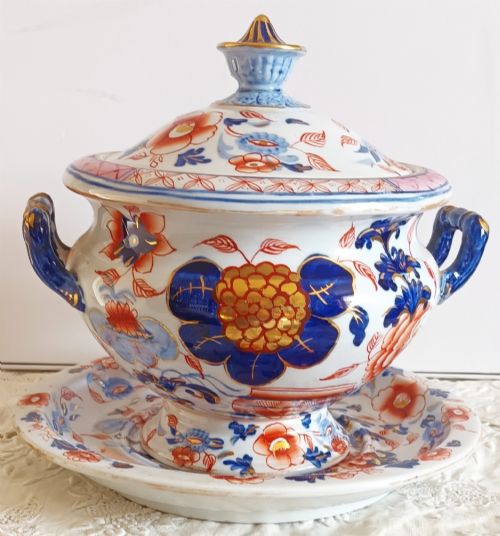
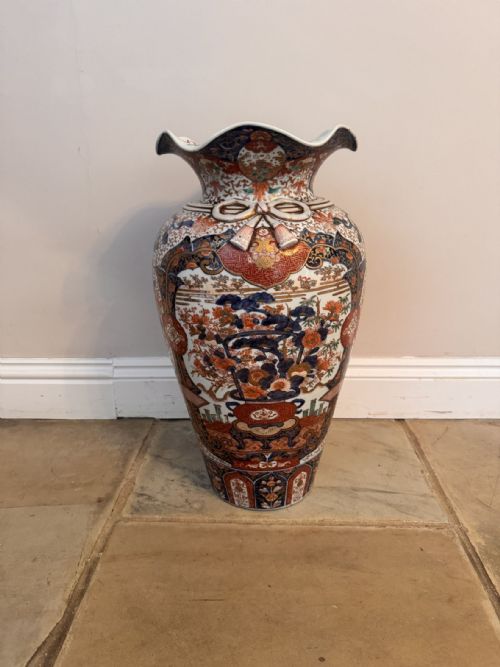
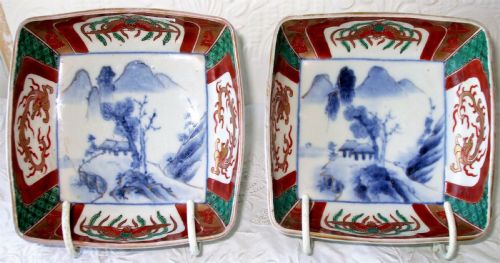
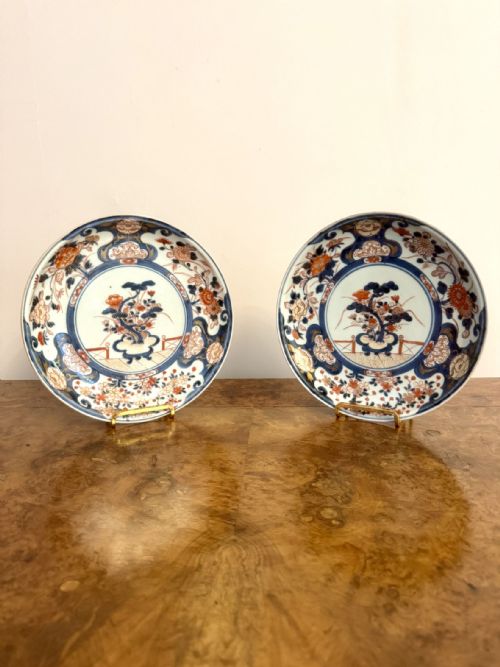
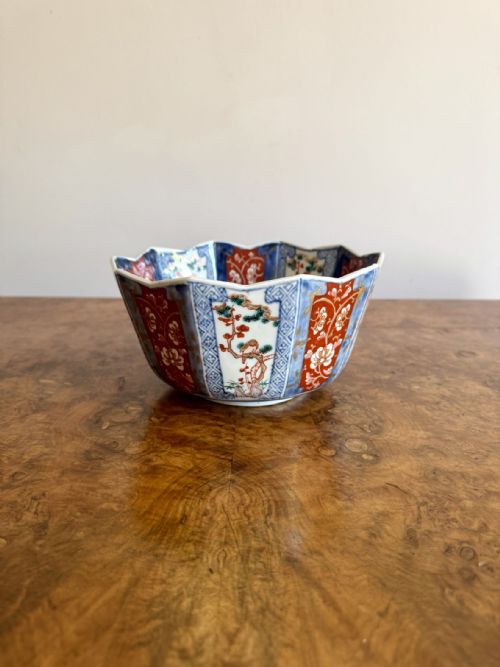
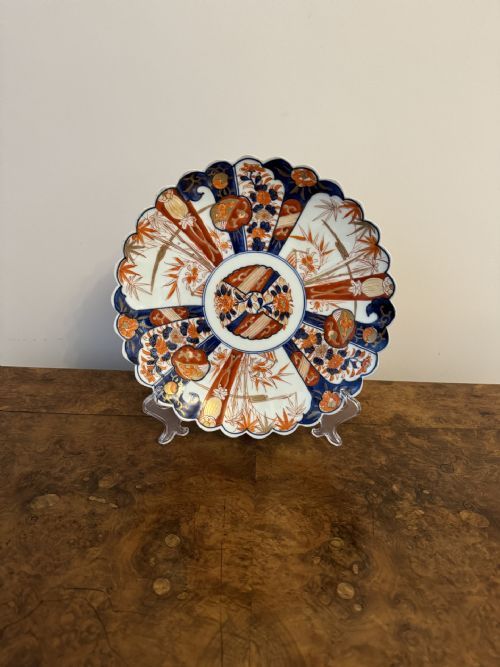
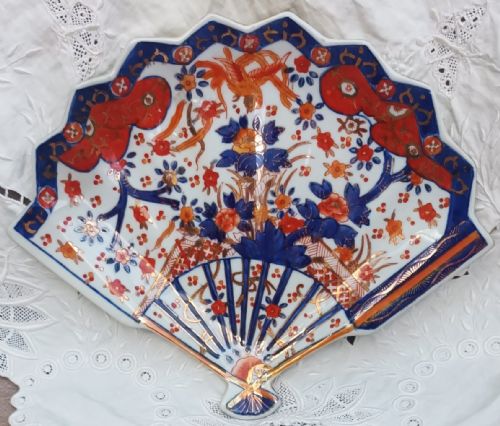
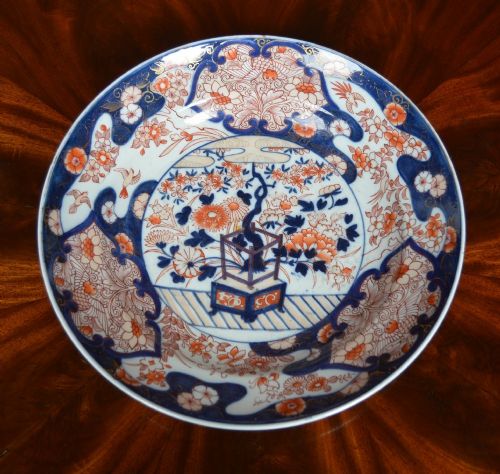
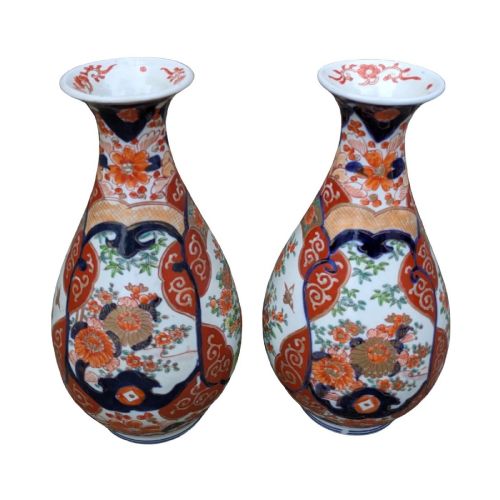
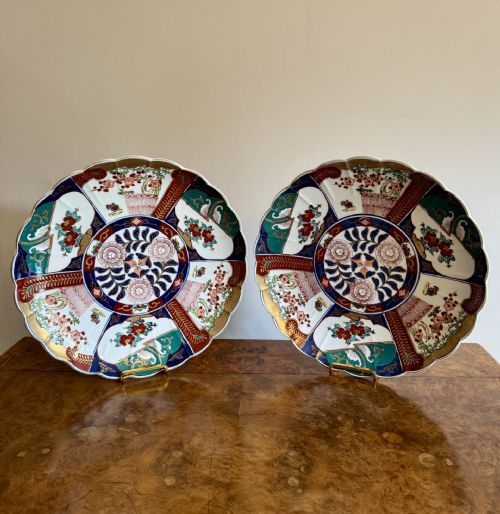
Blue red gilded porcelain pieces unite rich cobalt hues, vibrant iron red enamel and applied gold leaf across decorative plates, vases and chargers.
Blue Red Gilded Porcelain
Blue red gilded porcelain encompasses both traditional Japanese Imari wares and English adaptations produced by factories such as Royal Crown Derby. Buyers exploring this category encounter a diverse selection of decorative plates, chargers, bowls and vases originating from the seventeenth century through to the Edwardian era.
The Japanese examples frequently stem from the Edo and Meiji periods, showcasing distinct hand-painted floral and bird motifs on porcelain bodies. English nineteenth-century interpretations follow these Eastern palettes closely, merging bone china forms with characteristic cobalt underglazes and gilded highlights.
How they were made
Makers utilised porcelain and bone china as the primary ceramic base, shaping them into plates, scalloped dishes, baluster vases and lidded vessels. Artisans applied cobalt blue underglaze beneath the transparent glaze before firing, then added iron red enamel and gold leaf or gilt details in subsequent decorative stages.
Many objects received meticulous hand-painted treatment, combining floral and avian imagery with complex geometric borders. The application of gold leaf required skilled brushwork to accentuate edges, rims and focal points across chargers and tea services.
Blue Red Gilded Porcelain Retail Price Guide 2026
Typical asking prices for blue red gilded porcelain among the pieces listed under this phrase on Sellingantiques today, from the lower quarter to the upper quarter. They describe what is for sale here now, not the wider market.
Listings span several centuries, encompassing Japanese Edo and Meiji periods alongside Victorian and Edwardian English eras.
What varies in quality
The refinement of the hand-painted brushwork distinguishes superior examples from standard production, particularly in the precision of floral and bird motifs. Superior pieces exhibit crisp separation between the cobalt blue underglaze and the iron red enamel, alongside lavish and intact gilding.
The weight and purity of the porcelain body, together with the crispness of moulded edges such as scalloped rims or pierced serving trays, indicate the maker's standard. Older Edo period examples and early Derby productions often demonstrate greater depth in the glaze and richer application of gold gilt.
Royal Crown Derby·Stevenson and Hancock·Royal Davenport
The Blue Red Gilded Porcelain Glossary
- Imari palette
- A traditional decorative scheme utilising cobalt blue, iron red and gilt on porcelain. This distinctive colour combination originated in Japan and heavily influenced European ceramic design.
- Charger
- A large ornamental plate intended for display rather than dining. These substantial pieces provide a wide surface area for complex painted motifs.
- Baluster
- A vase form characterised by a swollen lower portion tapering towards a narrow neck. This shape appears frequently in pairs and garnitures.
- Bone china
- A type of soft-paste porcelain incorporating animal bone ash. English manufacturers utilised this material to achieve strength and a bright white ground.
- Gilding
- The application of gold leaf or powdered gold onto the ceramic surface. This technique highlights rims, handles and decorative panels.
Blue Red Gilded Porcelain: Frequently Asked Questions
How do I care for gilded porcelain?
Wash these fragile items by hand using warm water and mild soap. Avoid abrasive sponges that can wear away the delicate gold leaf and enamel.
Keep them away from direct sunlight and extreme temperature changes to protect the historic glaze and ceramic body from deterioration.
Are these pieces meant for daily use?
Most of these antique plates, chargers and vases are intended for display rather than heavy everyday service. The aged enamel and gilding require gentle handling to preserve their decorative surfaces.
Teacups and saucers can be utilised occasionally, though hand washing remains essential to protect the historic materials.
How can I tell Japanese Imari from English Imari?
Japanese examples usually feature distinct foot rings, varied porcelain textures and traditional Meiji or Edo period motifs. English pieces often bear factory marks from makers like Royal Crown Derby on the base.
The bone china used by English potteries tends to appear whiter and more uniform than older Japanese porcelain bodies.
What is a garniture of vases?
A garniture consists of a matching set of three or more vessels designed to be displayed together on a mantelpiece or sideboard. These sets typically include a mix of lidded and open baluster shapes.
They create a balanced decorative arrangement that showcases the cohesive cobalt, red and gilt palette.