






Blue Porcelain Platter
A blue porcelain platter brings centuries of global trade and kiln mastery directly to the table.
Blue Porcelain Platter
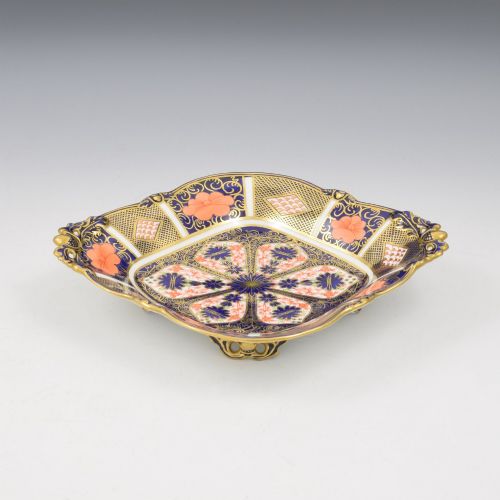
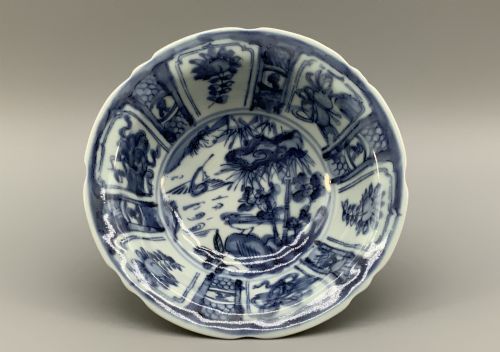
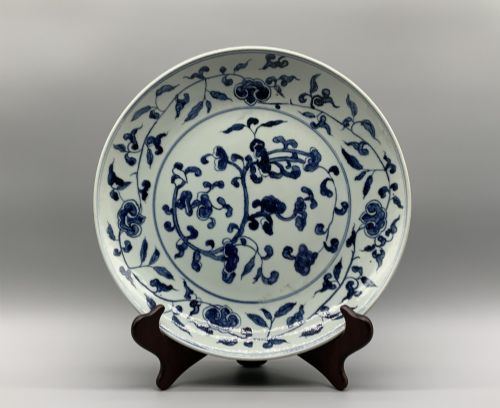
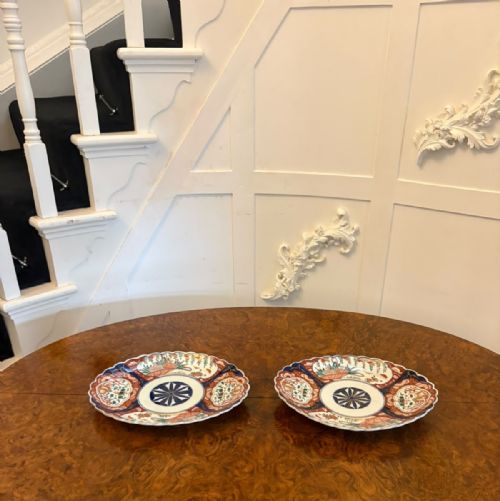
A blue porcelain platter serves as a grand centrepiece or serving vessel, carrying centuries of ceramic artistry across English, European, and Asian traditions. When seeking a blue porcelain platter, collectors encounter 18th-century Chinese export pieces, Japanese Imari chargers, and 19th-century English earthenware varieties.
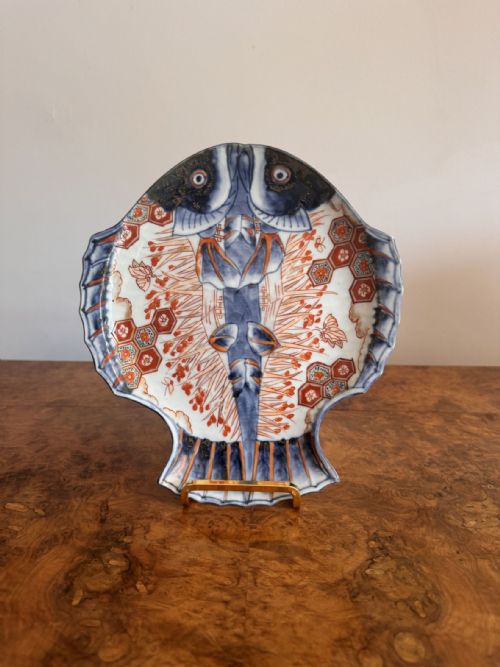
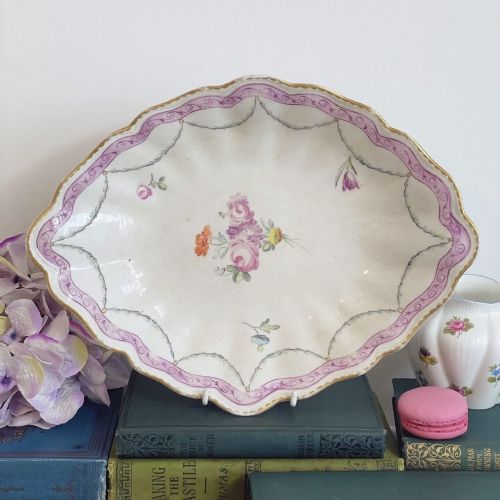
The evidence shows forms ranging from large chargers and lobed bowls to oval serving trays and fish-shaped plates. Pieces span the Kangxi, Qianlong, and Meiji periods alongside Victorian and Georgian English makes.
Materials and technique
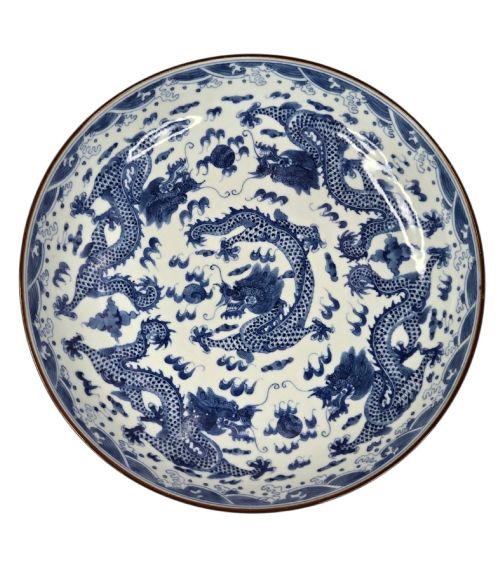
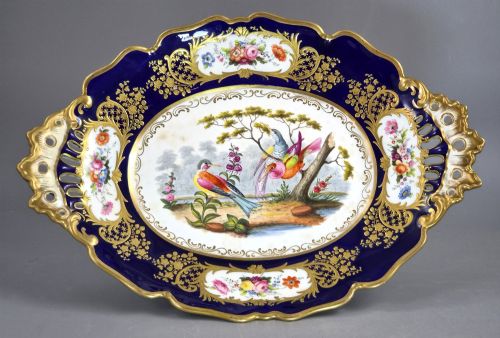
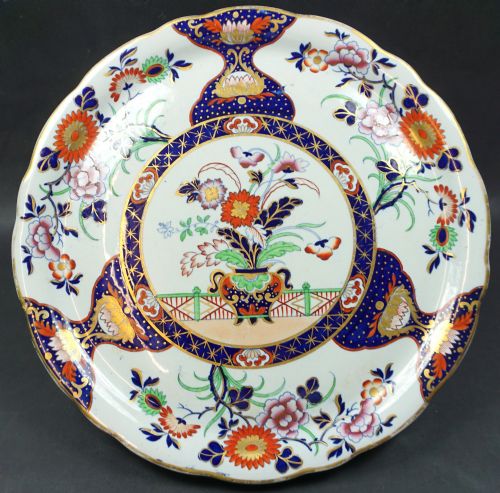
Potters utilised fine ceramic clay and porcelain bodies decorated with cobalt underglaze to achieve deep, lasting blue tones before firing in high-heat kilns. Artisans then applied enamel, gilding, and gold leaf over the glaze to highlight intricate hand-painted floral and bird motifs.
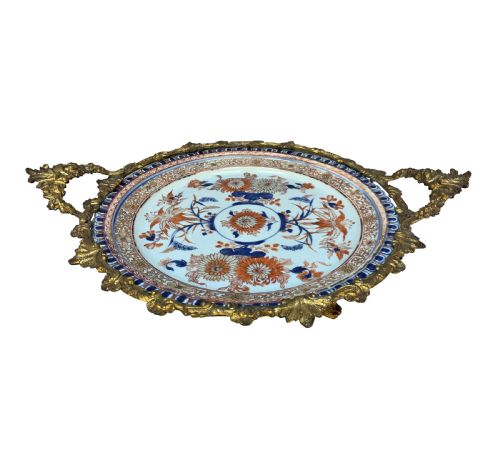
Some elaborate vessels incorporate ormolu mounts to frame the ceramic body, marrying metalwork with traditional pottery techniques.
One exceptional 1900 Japanese plate takes the exact form of a fish, bringing a splash of marine life straight to the table.
Assessing quality
Quality rests in the precision of the hand-painted brushwork and the clarity of the cobalt underglaze against the white porcelain ground. Stronger pieces display crisp details in complex floral, dragon, or landscape designs without smudging or firing faults in the glaze.
The weight, symmetry of the lobed or scalloped edges, and the preservation of any supplementary gold leaf or enamel finish distinguish finer items from standard kitchen wares.
Royal Crown Derby·John Davenport of Longport·Coalport·Royal Worcester·Wedgwood·Minton·Hicks and Meigh·Royal Bonn
The Blue Porcelain Platter Glossary
- Cobalt Underglaze
- A mineral pigment applied to the raw ceramic body before glazing and firing, producing a permanent blue colour that survives high kiln temperatures.
- Charger
- A large decorative plate or platter traditionally used for ceremonial service or display on a sideboard rather than daily dining.
- Imari
- A Japanese export style originating from Arita, characterised by a palette of cobalt blue and iron red, often enriched with gold.
- Export Porcelain
- Wares manufactured in China or Japan specifically for the Western market, combining Eastern forms with motifs tailored to European tastes.
- Kraak Style
- A 17th-century Chinese porcelain design featuring panels radiating from a central floral or aquatic motif.
Blue Porcelain Platter: Frequently Asked Questions
How were these platters originally used?
These large dishes served ceremonial dining tables, holding meats or desserts for guests during formal gatherings.
Many collectors also hung chargers on walls or displayed them on sideboards to showcase imported artistry.
How do I identify Chinese export pieces?
Chinese export items often combine traditional Kangxi or Qianlong blue and white motifs with shapes requested by European traders.
Examining the glaze consistency and base unglazed ring helps determine the period.
Can I use these platters for daily dining?
Antique platters with delicate enamel, gilding, or ormolu mounts suit display and careful table service best.
Gentle hand washing preserves the fragile overglaze decoration found on 18th and 19th-century examples.
What is the difference between Imari and blue and white?
Blue and white pieces rely strictly on cobalt pigment under the glaze for their monochrome designs.
Imari pieces introduce iron red and gold leaf alongside the blue to create a rich, multi-coloured surface.