


Blue Porcelain Covered Bowl
A blue porcelain covered bowl brings vibrant cobalt and crisp white into a room, offering both decorative presence and practical utility.
Blue Porcelain Covered Bowl
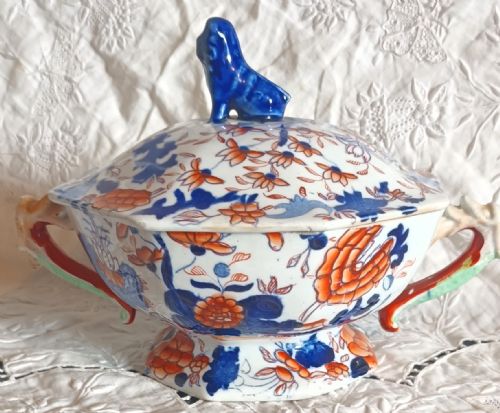
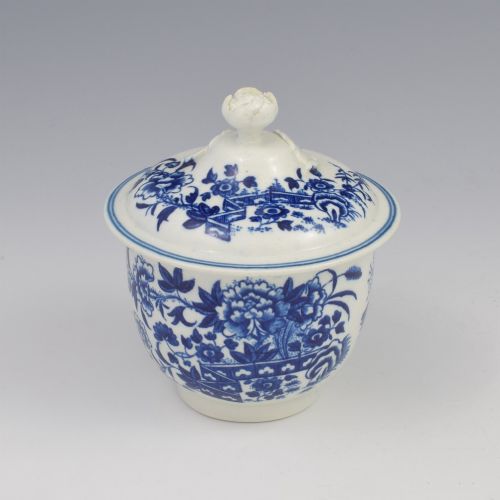
The dominant forms are tablewares designed for sugar or cream, alongside larger serving tureens and decorative dishes complete with matching stands. English factories such as Worcester, Derby, and Mintons feature prominently alongside French workshops and Chinese export pieces. Most examples display traditional underglaze blue painting, occasionally accented with gilding or polychrome enamel highlights.
How they were made
The primary material is hard-paste or soft-paste porcelain, supplemented by durable ironstone and bone china in nineteenth-century English production. Cobalt oxide serves as the foundational pigment for the characteristic blue decoration, applied directly to the body before glazing or over the glaze depending on the factory tradition. Kiln firing vitrified the clay body, creating a dense, impermeable vessel capable of holding liquids or dry goods.
Many pieces incorporate supplementary metals such as gilt bronze, ormolu, or gold leaf applied to handles, finials, and stands. Enamel colours were frequently added in subsequent low-temperature firings to build up complex patterns like Imari or Chinoiserie designs. Throwing on the potter's wheel or moulding in two-part plaster casts shaped the bodies, while hand-carved finials and applied handles completed the lids.
Early sugar bowls occasionally retain traces of dark blue pigment on their unglazed foot rims where painters wiped their brushes before setting them down.
What varies in quality
The distinction between standard domestic ware and top-tier production lies in the fineness of the paste and the clarity of the cobalt blue. Finer pieces demonstrate superior control during the high-temperature kiln firing, resulting in a smooth, unblemished glaze free of excessive pitting or kiln dust. Artisanal skill dictates the precision of the hand-painted motifs, where brushwork remains crisp and deliberate rather than rushed or muddy.
Mounts and hardware also distinguish the range, with cast ormolu stands and finely chased gilt metal fittings elevating a utilitarian vessel into an ornamental centerpiece. The survival of matching stands, covers, and original gilding preserves the integrity of the object, reflecting the care taken by its makers and subsequent owners.
Mintons·Royal Crown Derby·Ridgway·Edm'e Samson
The Blue Porcelain Covered Bowl Glossary
- Sucrier
- A small lidded sugar bowl designed for the tea table, often accompanied by matching tableware. These vessels became standard additions to European tea sets during the eighteenth century.
- Tureen
- A deep serving dish with a cover, utilised for soups, sauces, or cream. They frequently rest upon integrated ceramic or metal stands.
- Ironstone
- A heavy, durable type of earthenware patented in the nineteenth century to imitate true porcelain. It offers greater resistance to chipping while accepting blue and white transfer printing or hand painting.
- Imari
- A decorative style characterised by a palette of underglaze blue, iron red, and gold, originating in Japan and widely copied by European porcelain factories. It combines rich floral and geometric panels.
- Garniture
- A set of three or more matching ceramic vessels displayed together on a mantelpiece or sideboard. They typically include covered vases or urns designed for symmetry.
Blue Porcelain Covered Bowl: Frequently Asked Questions
How were covered bowls used originally?
These covered vessels served practical functions on dining and tea tables, holding sugar, cream, sauces, or soups. Lids kept contents warm and protected from dust during formal meals.
Over time, many transitioned into purely decorative objects, displayed on sideboards or within cabinets to showcase their cobalt painting and porcelain body.
What is the difference between porcelain and ironstone?
True porcelain is a vitrified, translucent ceramic fired at very high temperatures, yielding a resonant and refined body. Ironstone is a dense, opaque earthenware developed to be heavier and more robust for daily service.
While porcelain offers delicate translucency, ironstone provides practical durability, which explains its prevalence in nineteenth-century kitchen and dining rooms.
How can I tell eighteenth-century pieces apart?
Eighteenth-century pieces typically feature softer paste bodies, subtle glaze variations, and hand-painted underglaze blue designs that show gentle brush stippling under magnification. Makers often relied on distinct paste compositions and hand-carved forms rather than uniform industrial moulds.
Examining the foot rim often reveals unglazed areas characteristic of early kiln furniture use, helping distinguish period work from later revival pieces.