




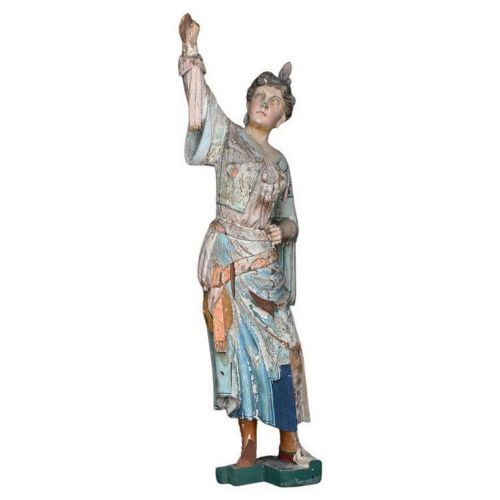

Blue Polychrome Sculpture
Blue polychrome sculpture brings together vibrant glazes, metallic leaf and detailed modelling across figures, religious statues and animals.
Blue Polychrome Sculpture
A blue polychrome sculpture is a modelled or carved three-dimensional figure decorated in multiple colours where blue forms a prominent part of the palette. Buyers searching this phrase encounter a diverse range of objects spanning porcelain figurines, carved wooden figures and enamelled works.
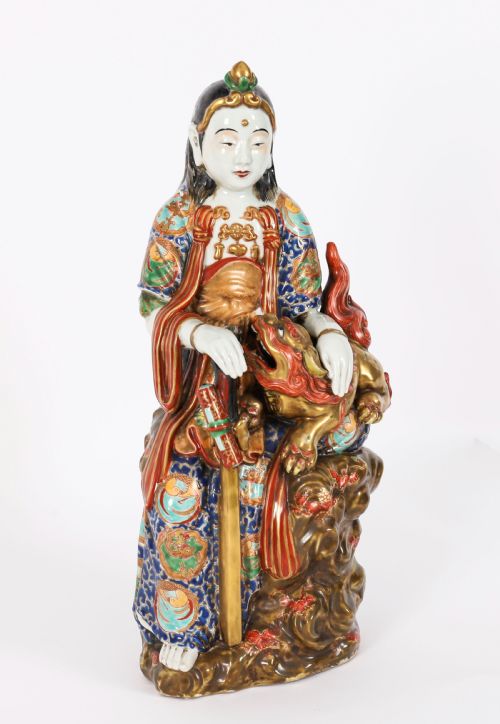
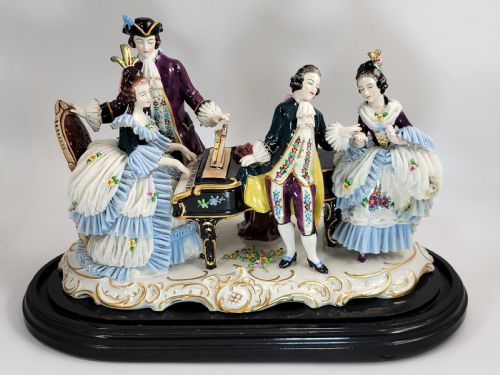
The selections on this page draw from several distinct periods, most notably the nineteenth century alongside eighteenth-century works and early twentieth-century examples. Forms vary widely from Japanese Meiji period figures and Meissen parrots to European religious statues and organ figures.
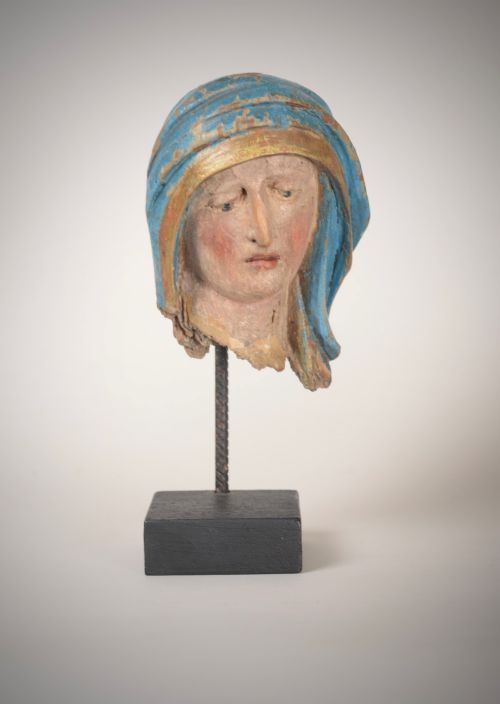
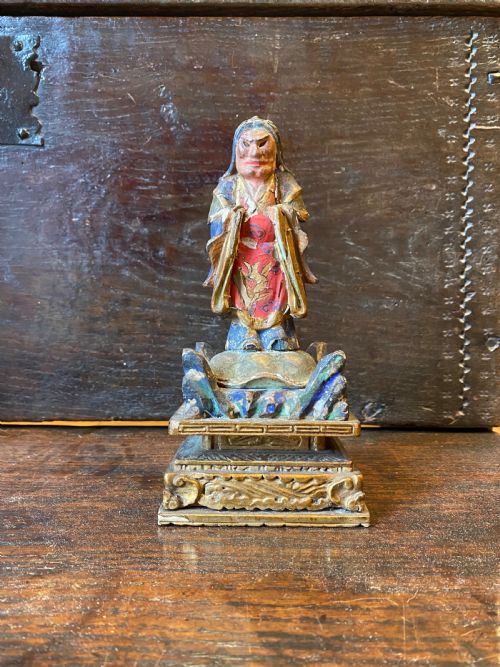
Porcelain figurines and Japanese ceramics dominate the offerings, often depicting deities, historical figures or everyday subjects like street traders and musicians. Alongside these ceramic pieces, wood carvings enhanced with gesso and paint appear frequently.
How they were made
Makers utilised porcelain, carved wood and metal bases, applying glazes, enamels, gesso and gold leaf to build rich surface decoration. Ceramic pieces required careful firing in kilns before skilled painters applied detailed polychrome pigments and metallic accents by hand.
Wooden sculptures relied on traditional carving techniques using timber, which was then coated in gesso to create a smooth ground for paint, enamel and sometimes gold leaf application. Cloisonné works incorporated metal wires soldered to a base to form compartments filled with vitreous enamel paste.
The listings span the seventeenth, eighteenth, nineteenth and early twentieth centuries, utilising porcelain, carved wood, enamel and gold leaf.
What varies in quality
Quality rests in the precision of the modelling, the crispness of the hand-painted details and the preservation of the original surface pigments, glazes or gold leaf. Finer works display meticulous attention to facial expressions, drapery folds and the integration of the polychrome scheme.
The skill of the individual artist or factory defines the upper tier, where complex compositions and balanced proportions elevate the piece. Simpler or later factory productions show broader brushwork and less intricate detailing, distinguishing them from masterworks.
Meissen·Ernst Bohne Söhne·Rouillard Angers·George Kemper
The Blue Polychrome Sculpture Glossary
- Polychrome
- Decorated in multiple colours. This term describes ceramics, wooden sculptures and metalwork finished with various painted or enamelled pigments.
- Gesso
- A plaster mix applied to wood surfaces. It acts as a smooth foundation for subsequent gilding and painting.
- Glaze
- A vitreous coating fused to ceramic bodies through firing. It provides both colour and a protective glossy finish.
- Cloisonné
- An enamel technique using metal wires. Wires form cells that hold coloured enamel pastes before firing.
Blue Polychrome Sculpture: Frequently Asked Questions
What is a blue polychrome sculpture?
These pieces comprise three-dimensional figures, statues and animals decorated with multiple colours where blue pigments or glazes predominate.
They encompass European porcelain groups, Japanese ceramic figures and carved wooden religious statues from various centuries.
How do I display them?
Place these sculptures on sturdy surfaces away from direct sunlight to protect delicate painted surfaces, enamels and gold leaf.
Ensure they sit securely on stable shelves or tables where foot traffic will not cause accidental knocks.
How are different periods told apart?
Stylistic clues, materials and manufacturing marks help date each piece to its specific era of origin.
Eighteenth-century porcelain differs visibly in paste and palette from late nineteenth-century Japanese Meiji wares or early twentieth-century cloisonné.
Were these pieces used outdoors?
Most of these sculptures are designed strictly for indoor display in domestic interiors, temples or galleries.
Their delicate glazes, exposed wood, gesso and enamel finishes would suffer rapid deterioration if exposed to weather.