



Italian Baroque Carved Head
When you seek an italian baroque carved head, you are looking for expressive historic sculpture and ornament shaped from wood, stone and gesso.
Italian Baroque Carved Head
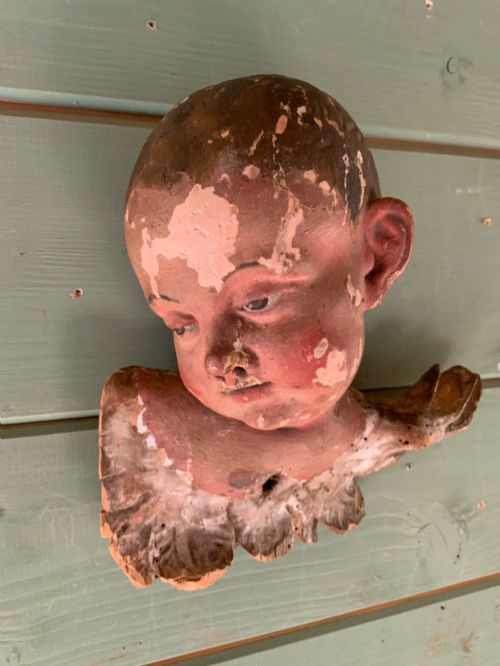
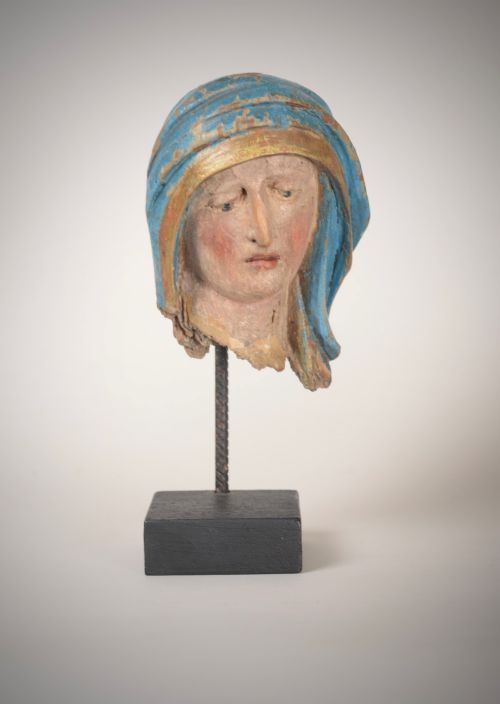
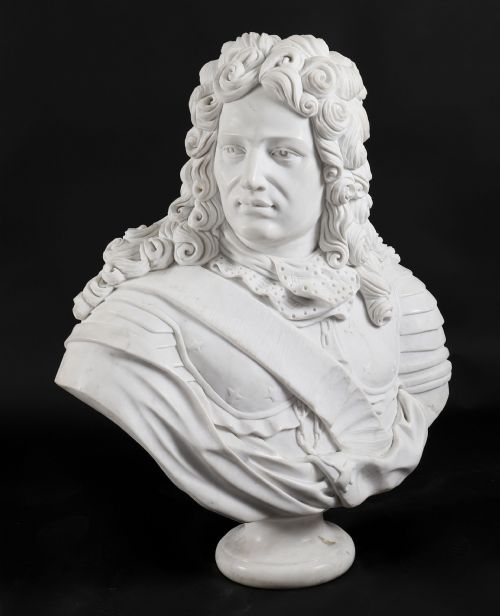
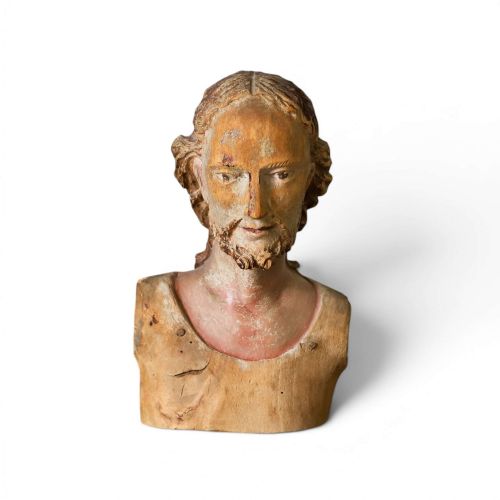
An italian baroque carved head captures the drama, movement and religious or classical intensity characteristic of seventeenth and eighteenth century southern European artistry. Buyers pursuing this search phrase encounter subjects ranging from devotional cherubs and putti to classical deities, noblemen and saints.
The selections available here span actual seventeenth and eighteenth century survivals alongside later revivals from the Victorian era and the early twentieth century. Forms take the shape of standalone sculptures, architectural wall panels, brackets, mirrors and furnishings bearing sculptural head details.
Materials and construction methods
Wood forms the primary medium, utilising timbers such as olive wood and walnut shaped through detailed chiselling and hand carving. Many wooden examples employ applied gesso surfaces finished with gold leaf, giltwood, or polychrome paint layers.
Stone works also appear, incorporating carved marble for classical busts and fragments. Textile and metal elements occasionally complement these sculptural forms on larger furnishings and decorative brackets.
Watch out for cherubs with expressions suggesting they would rather be anywhere else than holding up your ceiling.
Distinctions in craftsmanship and period execution
Quality rests upon the crispness of the chisel work and the naturalism achieved in facial expressions, hair rendering and anatomical proportions. Finer examples display fluid depth and confident handling characteristic of period Italian workshops, whereas lesser pieces reveal stiffer execution.
The integrity of the original surface finishes, whether aged polychrome paint, historic gilding or weathered marble patina, defines the visual character. Pieces retaining their earliest surface treatments hold greater visual cohesion than those altered by later interventions.
The Italian Baroque Carved Head Glossary
- Baroque
- An artistic style originating in Italy during the early seventeenth century characterised by theatricality, dynamic movement and rich ornamentation. It sought to evoke emotional states through powerful visual forms.
- Polychrome
- Decoration employing several colours applied to wood, stone or plaster surfaces. This technique added lifelike realism to religious sculptures and architectural ornaments.
- Gesso
- A plaster-like mixture applied to wood surfaces to create a smooth base for gilding or paint. It allows delicate relief details to be modelled before finishing.
- Putto
- A plump, often winged child figure derived from classical art and frequently depicted in Italian Baroque sculpture. These figures commonly appear as cherubs supporting architectural brackets or panels.
- Giltwood
- Timber coated with thin layers of gold leaf over a prepared gesso ground. This treatment provided opulent reflective surfaces for mirrors, frames and wall brackets.
Italian Baroque Carved Head: Frequently Asked Questions
What periods do these carved heads date from?
The pieces span genuine seventeenth and eighteenth century Italian creations alongside nineteenth and twentieth century revival interpretations.
Period pieces carry the authentic wear and hand tools marks of their era, while later revivals emulate the dynamic aesthetic.
Where were these carved elements originally placed?
Many originated as architectural ornaments integrated into church interiors, grand palazzos or domestic wall panelling. Others formed structural components of furnishings such as mirrors, console tables and seating.
Religious subjects typically served devotional functions, while mythological figures adorned secular reception spaces.
How should I clean a wooden carved head?
Dust gently using a dry, soft brush to prevent accumulation in the carved crevices. Avoid liquid cleaners, damp cloths or polishes, which damage delicate historic gesso, paint and gilt surfaces.
Preserving the dry surface stability ensures the original finish remains secure.
How do I distinguish marble from gesso pieces?
Marble feels cold to the touch, heavy in weight and shows natural stone veining under close inspection. Gesso and carved wood feel warmer, lighter, and often reveal grain beneath or minor losses exposing timber.
Weight and temperature offer immediate tactile clues to the material.