





Baroque Wooden Fragment
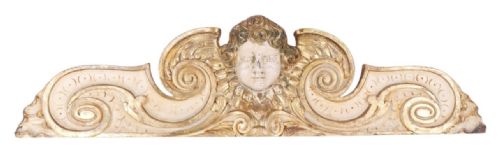
A baroque wooden fragment is a surviving piece of historical architectural carving or sculpture, offering collectors tangible fragments of seventeenth and eighteenth century craftsmanship.
Baroque Wooden Fragment
A baroque wooden fragment is a surviving piece of historical architectural carving or sculpture, offering collectors tangible fragments of seventeenth and eighteenth century craftsmanship.
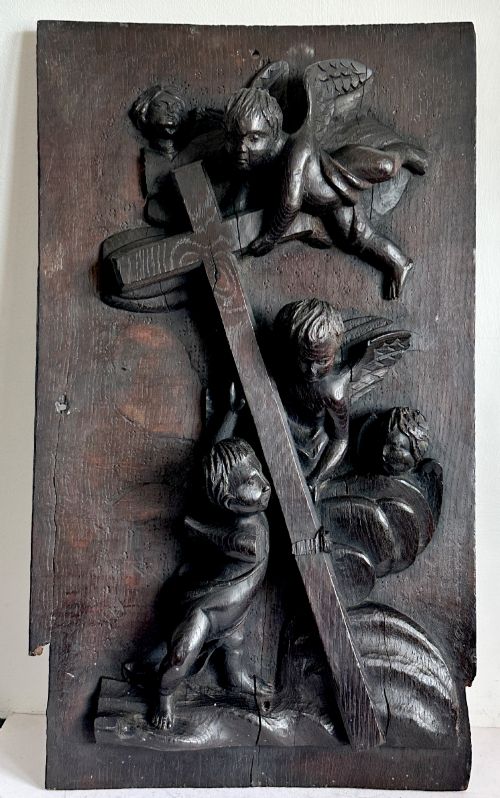
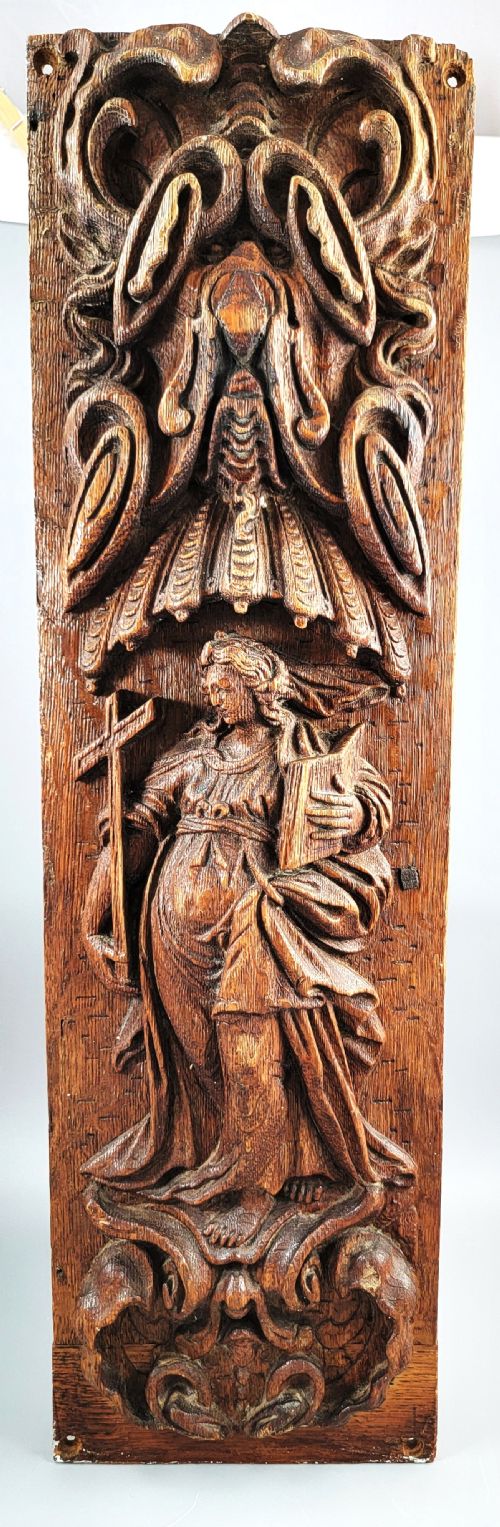
The selections available here include seventeenth century panels, architectural salvage, wall reliefs, and sculptural carvings originating from Italian, Flemish, and German workshops.
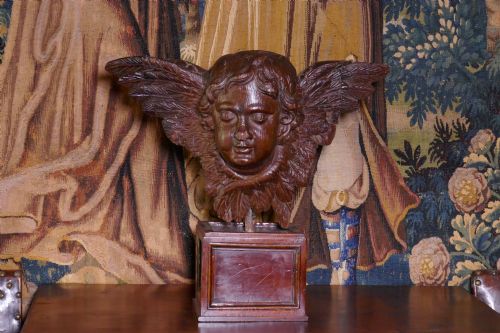
Buyers will encounter figures such as cherubs, putti, lion heads, caryatids, and religious subjects like Christ figures and the Madonna, rendered in oak, walnut, and hardwoods.
Materials and construction methods
Carvers shaped dense timbers like oak, walnut, and exotic hardwoods using hand chisels and gouges to achieve deep relief and expressive contours.
Many surfaces received a preparation of gesso before application of gold leaf, while others retained natural wood finishes or polychrome paint.
A stoic Roman helmet shares shelf space here with plump seventeenth century cherubs keeping a watchful wooden eye on the room.
Evaluating sculptural quality and execution
The crispness of the chisel work and the depth of the undercutting separate master carvers from routine architectural joiners, particularly in facial expressions and drapery folds.
Proportion and anatomical accuracy in figures like cherubs and caryatids dictate the artistic merit of the surviving piece.
The Baroque Wooden Fragment Glossary
- Baroque
- A style of European architecture and art spanning the seventeenth and mid-eighteenth centuries, characterised by ornate detail, drama, and deep relief carving.
- Gesso
- A plaster mixture used as a smooth base for gilding or painting on wood surfaces.
- Caryatid
- A sculpted female figure serving as an architectural support in place of a column or pilaster.
- Polychrome
- The practice of decorating architectural elements and sculptures in a variety of bright colours.
- Architectural salvage
- Building components rescued from demolition or alteration for decorative reuse.
Baroque Wooden Fragment: Frequently Asked Questions
What is a baroque wooden fragment?
A baroque wooden fragment is an isolated portion of a larger historical carving, such as an overdoor, wall panel, or ecclesiastical fitting.
These pieces typically date from the seventeenth and eighteenth centuries and preserve intricate hand-carved details like cherubs and drapery.
How were these fragments used originally?
Originally, these carvings formed parts of grand domestic interiors, church altarpieces, or architectural facades.
They decorated walls, furniture, and structural framing in Italian, Flemish, and German buildings.
How should I display a wooden fragment?
Many collectors mount wall reliefs and panels directly onto plaster walls to highlight the depth of the carving.
Keeping pieces away from direct heat sources helps preserve the stability of aged oak and walnut.
How can I tell the period of a carving?
Dating relies on tool marks, timber species, and stylistic conventions typical of seventeenth or eighteenth century workshops.
Flemish Renaissance and Italian Baroque traits offer distinct clues regarding regional origins and exact decades.