
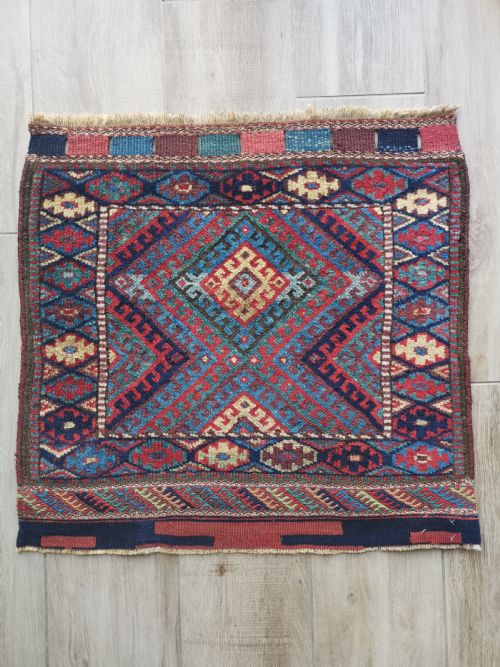


Blue Persian Tribal Textile
When you search for a blue persian tribal textile, you are looking at nomadic weaving shaped by practical village use and centuries of regional design.
Blue Persian Tribal Textile
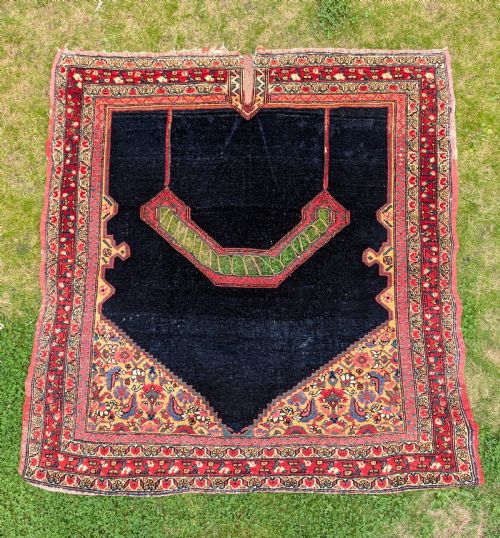
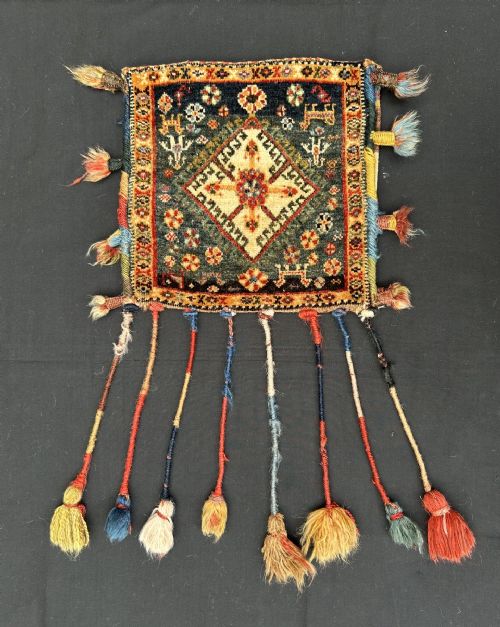
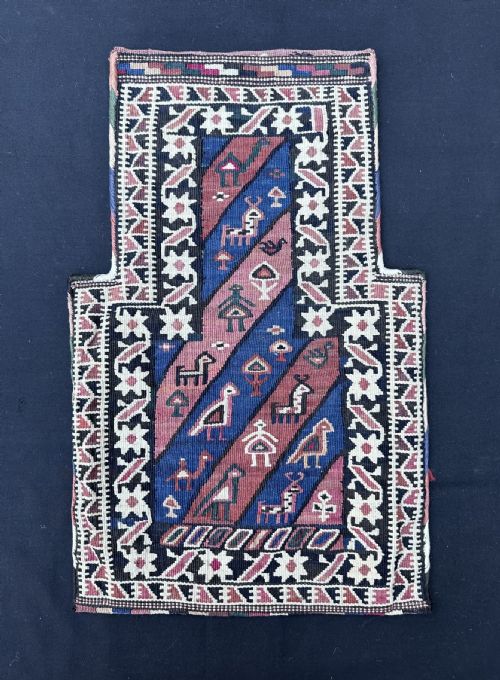
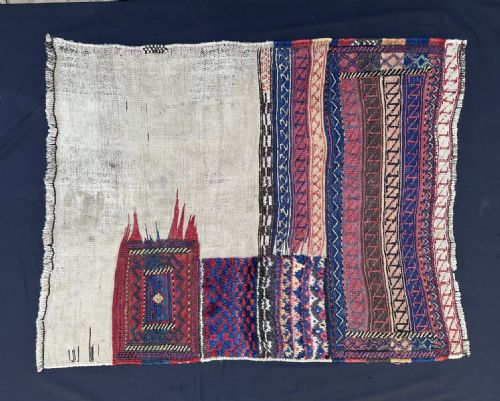
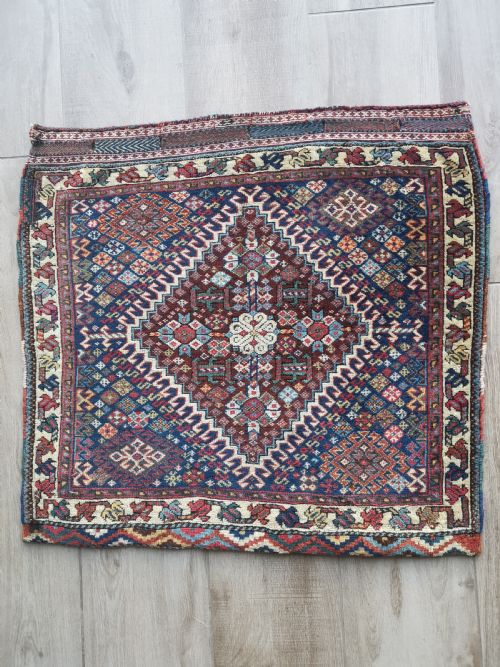
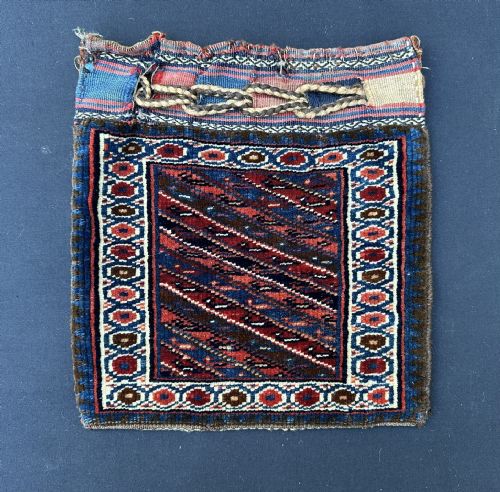
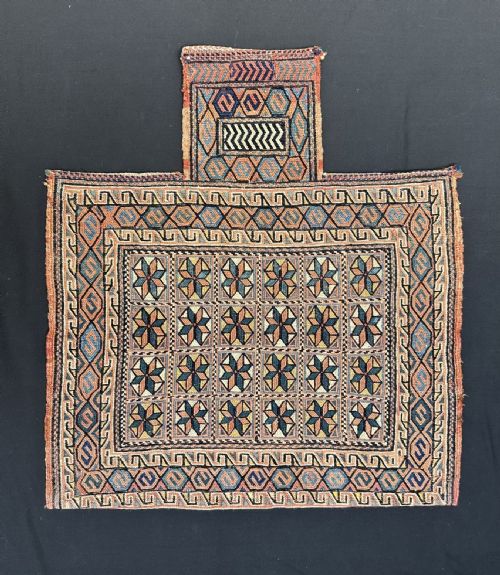
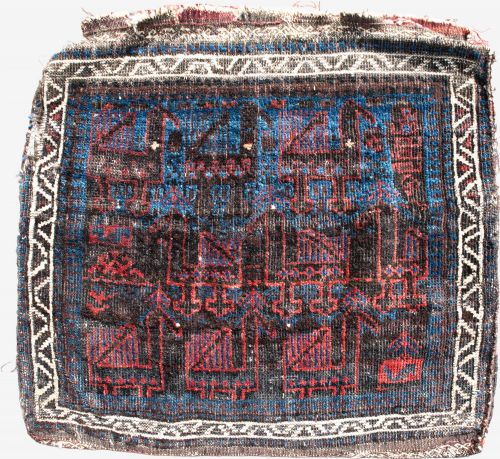
A blue persian tribal textile typically takes the form of utilitarian objects like saddlebags, salt bags, vanity bags, and flatwoven dining spreads known as sofreh. These pieces originate from various nomadic groups and tribal confederations across Persia, including the Afshar, Qashqai, Shahsavan, and Kurdish tribes. Most examples encountered here date from the nineteenth and early twentieth centuries, reflecting a period of traditional pastoral production.
The format of these items varies from small bag faces and complete saddlebags to larger rectangular eating cloths and grain sacks. Each piece served a distinct purpose in daily tribal life, whether for transport on pack animals or for domestic food preparation. The enduring appeal lies in the direct connection to the weaver's personal expression within established tribal motifs.
How They Were Made
Makers relied primarily on hand-spun wool and cotton, frequently supplemented by goat hair for structural durability along edges and backs. Natural dyes and vegetable dyes provided the rich palette, with indigo serving as the fundamental source for the deep blue tones characteristic of these works. Individual strands were processed by hand before being knotted or flatwoven on portable horizontal looms.
Techniques ranged from pile knotting on saddlebag faces to intricate soumak work and plain weave structures found on storage bags and sofreh cloths. The combination of dense knotting and sturdy flatweave construction ensured that utility bags could withstand the rigours of nomadic migration.
Materials recorded across current inventory include hand-spun wool, cotton, goat hair, and natural vegetable dyes.
What Varies in Quality
Quality rests heavily on the handling of materials, particularly the choice of lustrous, luminous wool and the depth achieved through natural dyeing methods. Pieces created with tightly spun yarn and precise knot density display sharper geometric or figurative drawing in motifs such as birds, dragons, and boteh designs.
The sophistication of the tribal design layout and the integrity of the surviving structure dictate the standing of an individual piece. Superior examples maintain balanced proportions, crisp borders, and an untwisted clarity in the secondary ornaments that separate everyday utilitarian items from finer tribal artistry.
The Blue Persian Tribal Textile Glossary
- Sofreh
- A flatwoven cloth used for dining, dough preparation, or bread making among nomadic groups. These textiles often feature minimalist tribal patterns.
- Khorjin
- A traditional pair of saddlebags designed for transport on animals, frequently encountered today separated into individual bag faces. They utilise sturdy flatweave backs and knotted pile fronts.
- Soumak
- A supplementary weft-wrapping technique that creates a brocade-like surface texture without producing a cut pile. This method allows for sharp diagonal lines and intricate geometric detailing.
- Boteh
- A stylised floral or almond-shaped motif representing a sprouting bush or cypress tree. It appears frequently across Persian nomadic weaving.
- Bag face
- The decorative front panel of a utility bag, preserved and displayed independently after the plain weave back deteriorated through use.
Blue Persian Tribal Textile: Frequently Asked Questions
What is a tribal textile?
A tribal textile is a functional woven object made by nomadic or village weavers for daily domestic or pastoral use. These items include storage bags, animal trappings, and eating cloths.
They reflect the specific cultural traditions and local environments of groups such as the Afshar, Qashqai, and Shahsavan.
How were these bags used?
Nomadic families used these bags to transport household possessions, salt, grain, and personal items during seasonal migrations. Sturdy construction protected contents from moisture and the wear of pack animals.
Many functioned as horse or camel transport gear before being repurposed or preserved for storage within the tent.
How should I display them?
Smaller bag faces and flatweaves lend themselves easily to wall hanging using conservation-grade mounting methods. This protects the structure while showcasing the tribal designs in domestic spaces.
Alternatively, flat textiles function well on low-traffic surfaces where footfall will not accelerate wear on older wool foundations.