




Antique Wool Rug Fragment
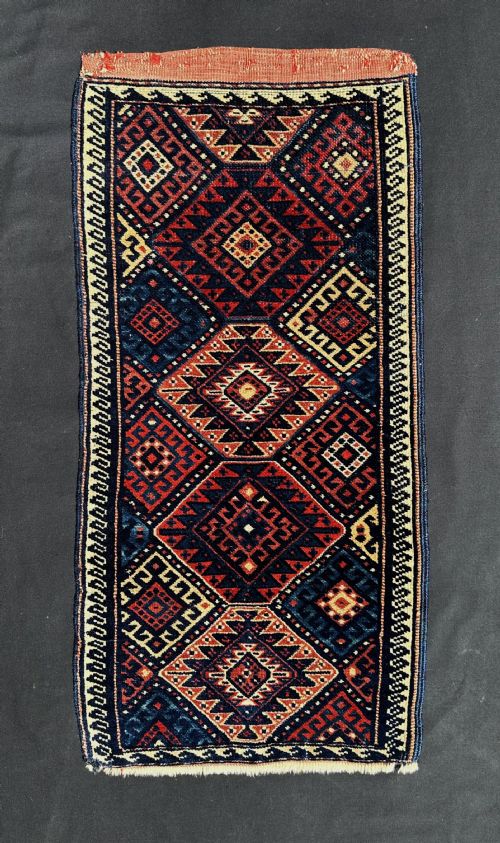
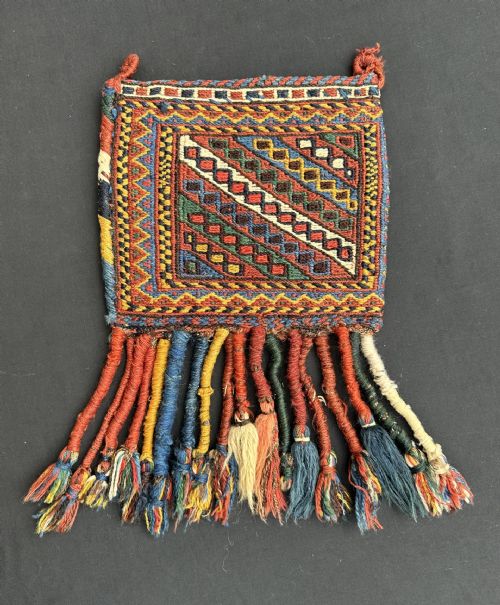
When you search for an antique wool rug fragment, you examine the surviving portions of woven tribal bags and tent furnishings made by nomadic makers.
Antique Wool Rug Fragment
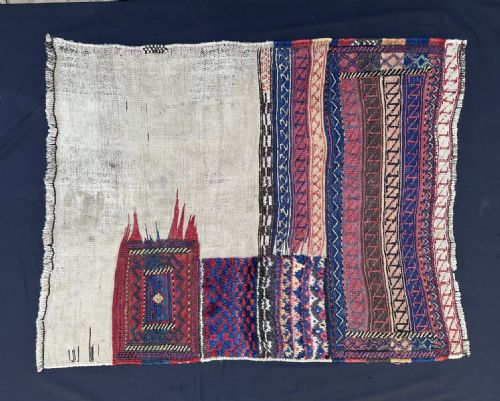
An antique wool rug fragment typically originates from utilitarian nomadic weavings such as torbas, bagfaces, chuvals, and tent bands produced across Persia, the Caucasus, and Central Asia. Buyers seek these pieces to examine traditional tribal patterns, structural knotting, and regional weaving traditions in a manageable scale.
The selections available here span from the eighteenth century through the late nineteenth century, reflecting nomadic and tribal production methods. Most examples derive from Persian and Turkmen groups who wove portable furnishings for daily camp life.
Tribal pieces include specialised items like vanity bags, salt bags, and saddlebag faces rather than standard floor carpets. Each survivor preserves a distinct portion of a larger tribal design vocabulary.
Materials and construction methods
Makers utilised hand-spun wool for the pile and foundation, often supplemented by cotton and occasionally linen or silk for structural contrast. These natural animal and plant fibres were dyed using traditional vegetable and natural dyes that created deep, varied tones.
Weavers knotted or wove these materials on portable vertical or horizontal looms set up in nomadic camps. The resulting textiles relied on dense wool foundations designed to withstand heavy domestic use in pastoral environments.
Nomadic weavers packed spare clothes into spindle bags so tightly that even the backing wool learned to hold a grudge.
Distinctions in quality and execution
The quality of an antique wool rug fragment depends primarily on the fineness of the weave and the precision of the tribal drawing. Higher grade pieces display tightly packed knots and crisp, deliberate geometric motifs executed by experienced weavers.
Colour saturation and the integrity of the natural dyes separate superior examples from more ordinary textiles. Balanced compositions and well-proportioned tribal guls or medallions indicate careful planning before the loom work began.
The Antique Wool Rug Fragment Glossary
- Gul
- A primary medallion or repeating octagonal motif characteristic of Turkmen and Central Asian tribal weaving. These designs often identify the specific tribe or clan that produced the textile.
- Torba
- A small storage bag or wall hanging made by Turkmen nomads to hold household goods inside a yurt. They feature characteristic horizontal layouts and intricate border designs.
- Chuval
- A large storage sack utilised by nomadic groups for bedding and heavy possessions during seasonal migrations. Surviving portions frequently display multiple rows of guls.
- Sumac
- A flat-weave technique where coloured weft threads are wrapped around warp threads to create a durable, textured surface without a cut pile. It appears frequently on saddle bags and storage covers.
- Boteh
- A stylised almond or pear-shaped motif representing a floral spray or cypress tree. This ancient symbol appears across Persian and Caucasian nomadic weavings.
Antique Wool Rug Fragment: Frequently Asked Questions
What is a bagface?
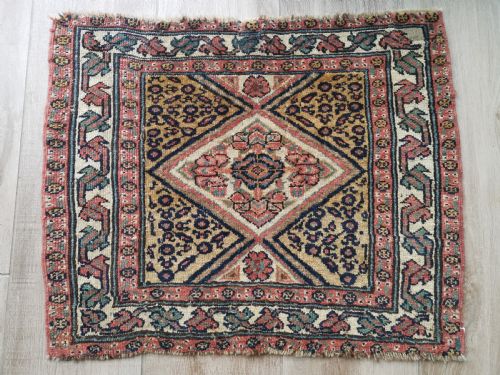
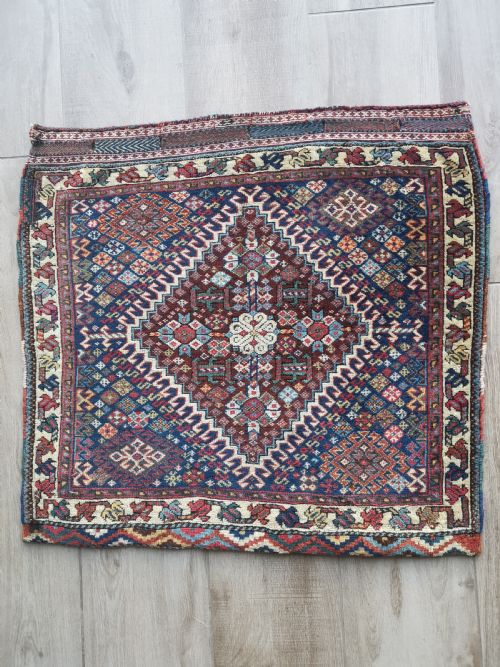
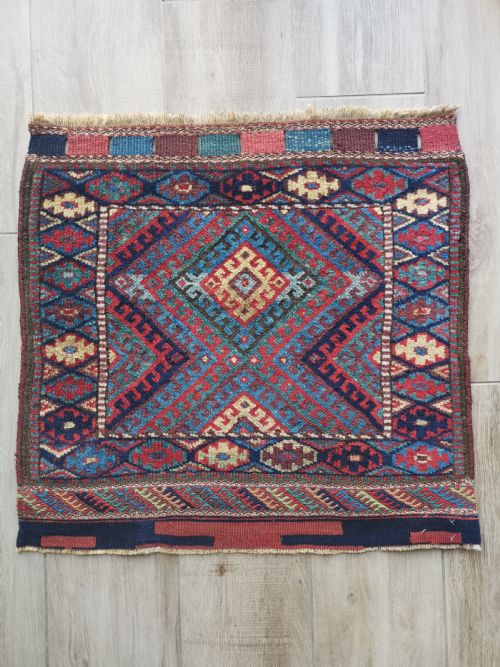
A bagface is the decorative front portion of a utilitarian nomadic storage sack that was cut away when the back panel wore out. These panels were preserved for their intricate designs and fine wool work.
Nomads utilised these bags in daily camp life for storing personal belongings, grain, or household items before they entered the collector market as independent textile art.
How do I care for a textile fragment?
Protect your fragment from direct sunlight to prevent natural dyes from fading over time. Gentle vacuuming with a mesh screen protector helps remove dust without damaging the wool pile.
Mounting the textile securely on a padded board or backing distributes the weight evenly if you choose to hang it on a wall. Avoid humid environments and harsh chemical cleaners.
Where were these nomadic pieces made?
These items were produced across the steppes of Central Asia, the Caucasus mountains, and various regions of Persia by tribal groups. Turkmen, Qashqai, Baluch, and Afshar weavers created them during seasonal migrations.
The specific wool types, knotting styles, and colour palettes often point directly to the geographic region and nomadic confederation of the makers.
Why are these textiles found as fragments?
Nomadic furnishings endured decades of heavy practical use in camps before portions became worn beyond repair. Families frequently salvaged the intact decorative faces while discarding damaged structural areas.
Collectors and dealers later trimmed and mounted these surviving sections to preserve the artistic tribal patterns for study and display.