
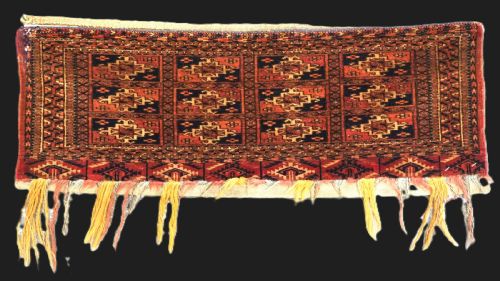


Tribal Cushion Cover Textile
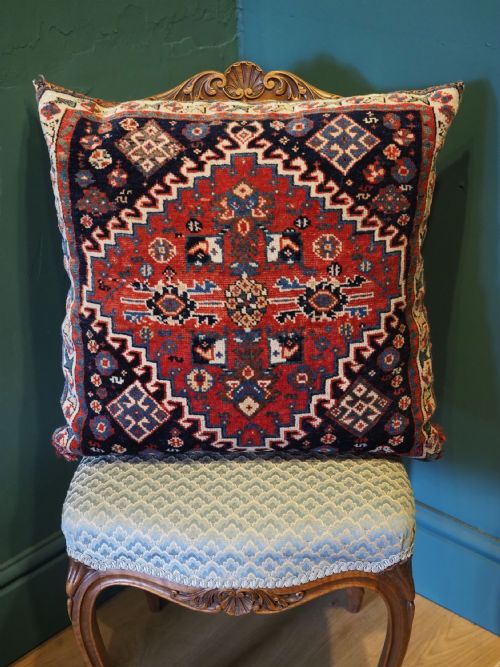
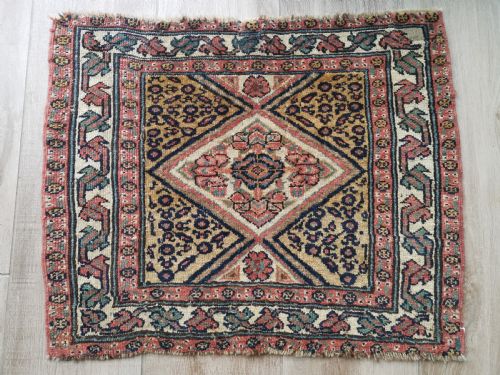
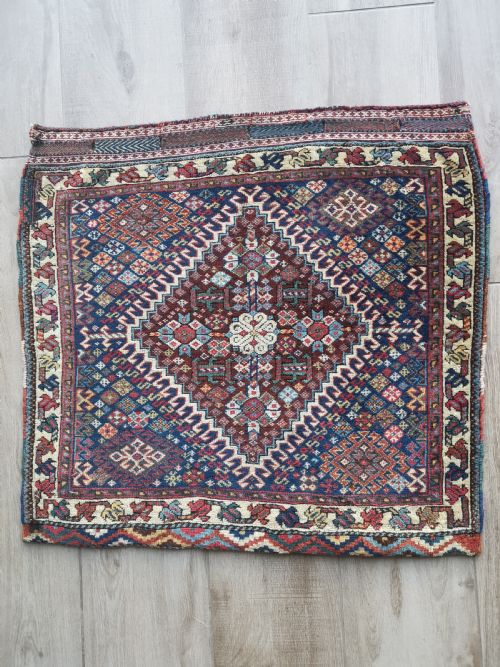
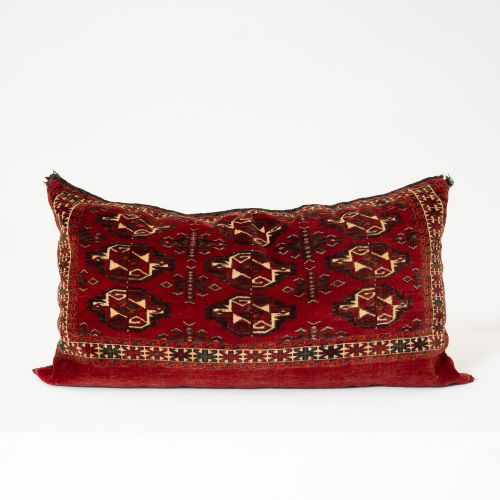
When you search for a tribal cushion cover textile, you are looking at repurposed nomadic bags brought to life as soft furnishings.
Tribal Cushion Cover Textile
The selections available span numerous regional groups, such as the Qashqai, Shahsavan, Tekke Turkmen, Yomut, Ersari, Afshar, and Baluch peoples. Each tribal confederation employs distinct geometric motifs, structural patterns, and regional colour palettes passed down through generations of nomadic life.
Most examples function as decorative cushions designed for interior display, retaining their original flatweave backs, soumak panels, or piled wool surfaces. Buyers encounter both single bag faces and matched pairs originating from the 1860s through the early twentieth century.
Materials and Construction
Weavers utilised hand-spun wool, cotton foundations, and occasionally goat hair to construct durable utility bags intended for rigorous nomadic travel. The resulting textiles rely on a combination of pile knotting, flatweave kilim techniques, and soumak wrapping.
Colour derives from natural and vegetable dyes applied to the wool, yielding deep, luminous tones that age gracefully over time. These organic colourants produce subtle variations across the surface of each textile, reflecting the batch dyeing methods of nineteenth-century village workshops.
Camels and horses once carried these very textiles across mountains before they retired to sofa duty.
Evaluating the Weaving
Quality rests upon the tightness of the weave, the handling of the wool, and the clarity of the tribal design elements such as guls, birds, or boteh motifs. Finer knotting and well-preserved structural edges separate superior examples from standard utility pieces.
The integrity of the natural dyes and the crispness of the geometric pattern execution dictate the visual strength of the textile. Complete bags with original backs and minimal intervention command distinct attention from collectors compared to isolated fragments.
The Tribal Cushion Cover Textile Glossary
- Bag face
- The decorative front panel of a nomadic storage bag or saddlebag. This portion displays the primary pile or flatweave design.
- Gul
- A medallion or repeated octagonal motif characteristic of Turkmen tribal carpets and bag faces. These tribal crests identify specific nomadic lineages.
- Soumak
- A flatweave technique involving wrapping weft threads over warp threads in a herringbone pattern. This method creates a textured, durable surface without pile knots.
- Chuval
- A large Turkmen tent storage bag used for bedding and household goods. Surviving panels often feature multiple guls.
- Torba
- A smaller storage bag used within nomadic tents for personal items or utensils. These horizontal rectangles frequently exhibit banded flatweave designs.
- Mafrash
- A rectangular storage bale used during seasonal migrations. The faces of these containers translate well into decorative cushions.
Tribal Cushion Cover Textile: Frequently Asked Questions
What is a tribal bag face cushion?
A tribal bag face cushion is a decorative furnishing created by mounting the front panel of an antique nomadic storage bag onto a supportive backing. These items repurpose utilitarian saddlebags and transport sacks into usable interior cushions.
They preserve centuries-old weaving traditions while providing practical comfort for modern seating arrangements.
How were these bags originally used?
Nomadic tribes utilised these woven containers to transport and store household possessions, bedding, and provisions during seasonal migrations. Saddlebags rode across horses and camels, while larger torbas and chuvals lined the interior of tents.
Their sturdy construction ensured they could withstand the demands of a pastoral lifestyle before surviving as collector textiles.
How do I care for a textile cushion?
Maintenance requires gentle handling, regular airing, and protection from direct sunlight to preserve the natural wool fibres and organic dyes. Vacuuming should be done with care using a low suction attachment without a rotating brush.
Professional textile cleaning is recommended when necessary to protect the historical structure of the weave.
How can I tell different tribal designs apart?
Tribal attribution relies on specific structural layouts, colour combinations, and iconic motifs unique to each weaving group. Turkmen pieces often display repeated octagonal guls, while Shahsavan textiles frequently showcase soumak work with bird and dragon patterns.
Familiarity with regional palettes from areas like Fars or Azerbaijan helps distinguish Qashqai, Afshar, and Baluch workmanship.