







Blue Oriental Carpet
A blue oriental carpet anchors a room with deep indigo dyes and centuries of woven regional artistry.

Blue Oriental Carpet
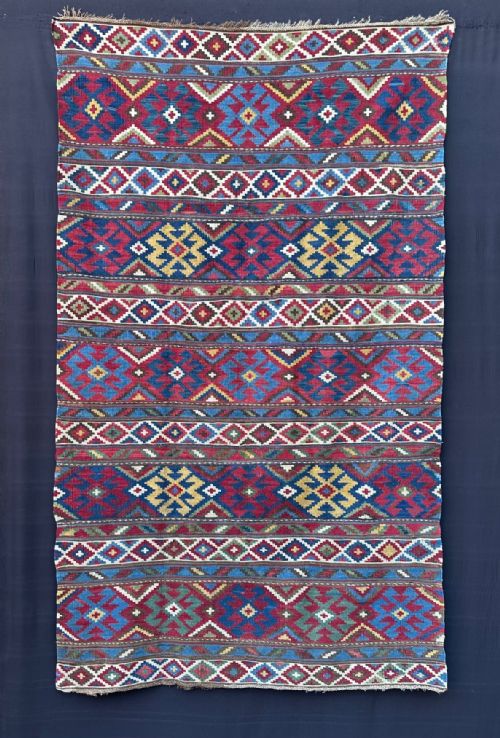
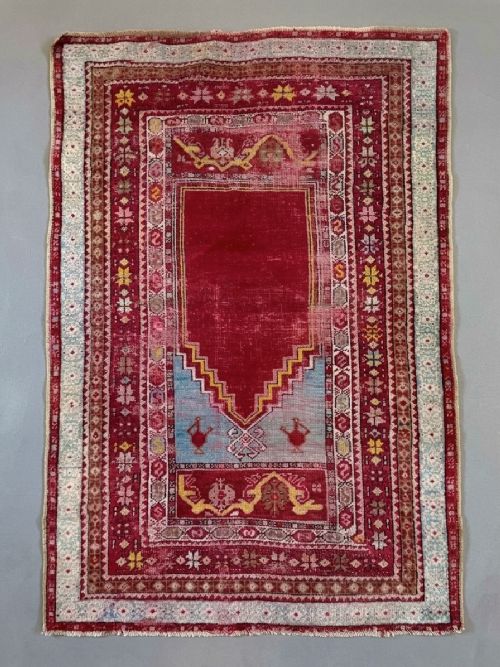
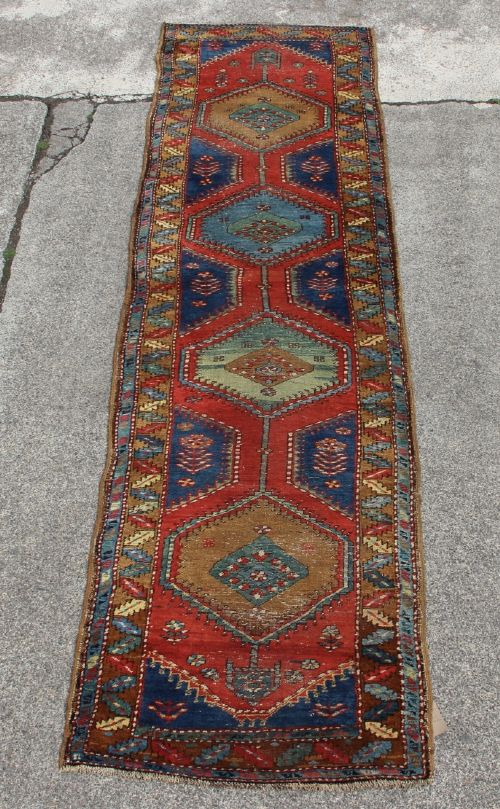
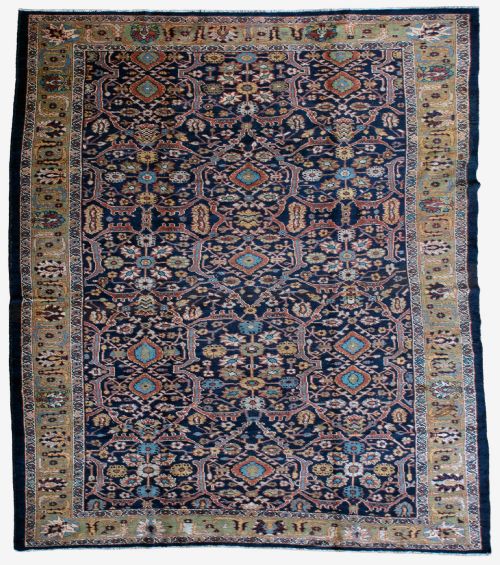
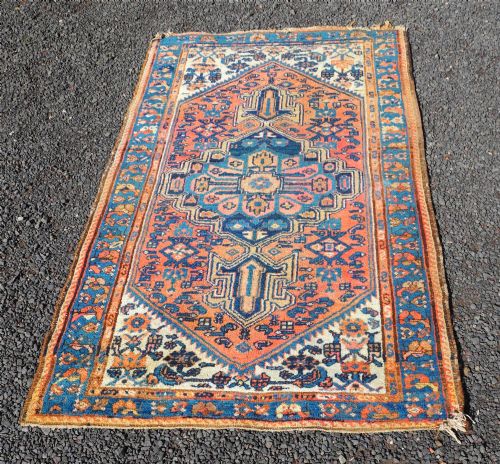
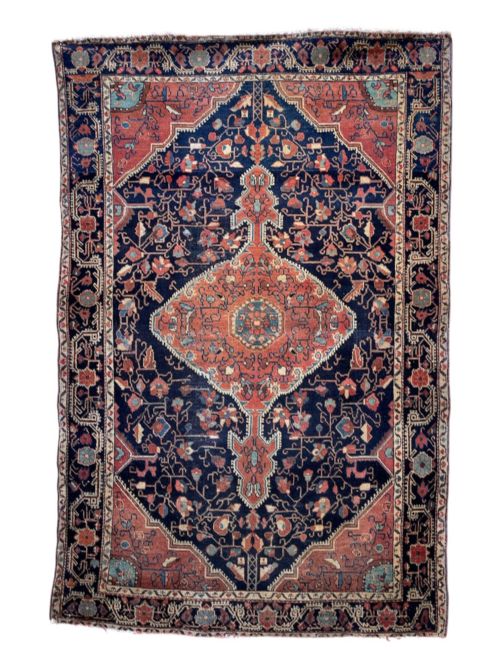
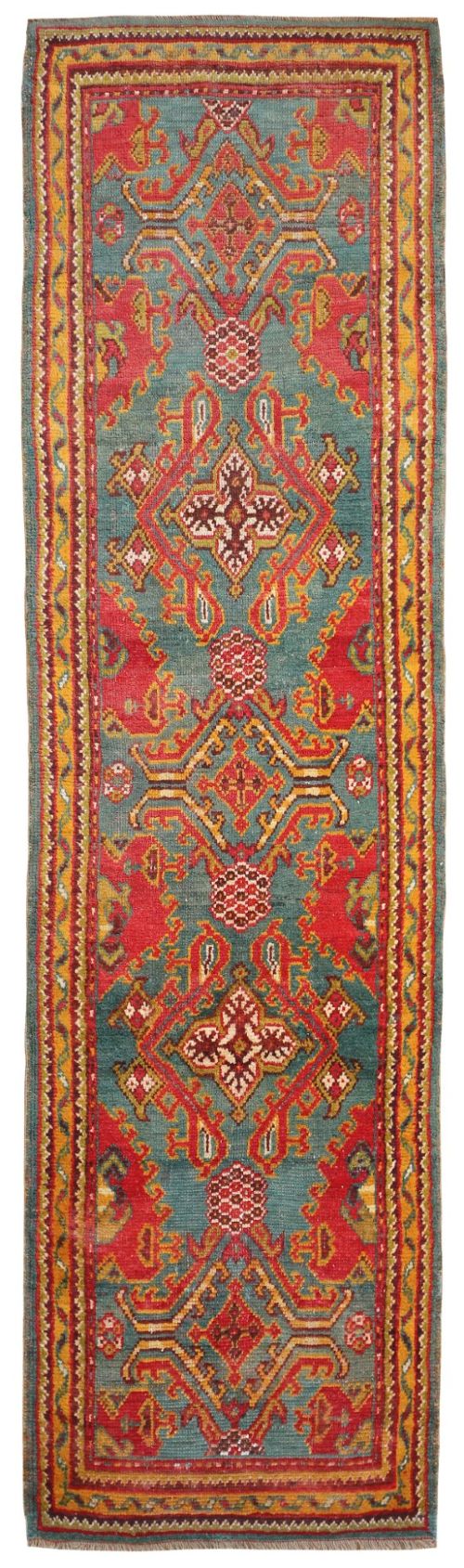
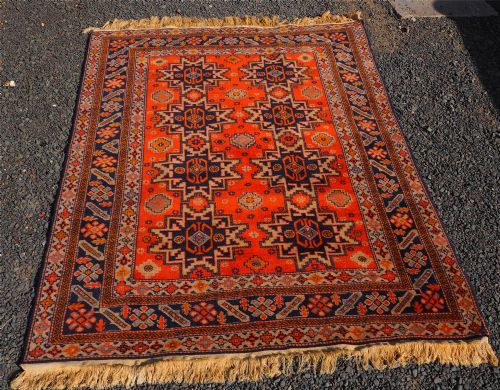
A blue oriental carpet brings together floor coverings originating from Persia, the Caucasus, Anatolia, and Tibet. These woven pieces include large area carpets, long runners, and smaller prayer rugs designed for domestic or ceremonial use.
The selection here spans from the mid-nineteenth century through the 1930s, encompassing traditional Persian styles alongside Caucasian tribal designs and Anatolian village work. Village weavers and nomadic groups produced these textiles using methods passed down across generations.
Buyers encounter formats ranging from expansive Heriz and Mahal carpets down to compact Hamadan, Kazak, and Afshar rugs. Each region contributed distinct motifs, geometric patterns, and medallion layouts executed in varied shades of blue.
Materials and construction
Makers relied primarily on wool for the foundation and pile, frequently combining cotton for warp and weft threads to ensure structural stability. Selected pieces incorporate silk highlights to accentuate specific details within the design.
Weavers knotted individual strands by hand onto vertical looms, securing the rows with dense packing to create a durable pile surface. Natural dye sources yielded deep indigo blues that interacted with reds, ivories, and golds across the field.
Blue Oriental Carpet Retail Price Guide 2026
Typical asking prices for blue oriental carpet among the pieces listed under this phrase on Sellingantiques today, from the lower quarter to the upper quarter. They describe what is for sale here now, not the wider market.
Geographic origins represented include Persian, Caucasian, Anatolian, and Tibetan weaving traditions.
Distinctions in quality
Quality rests upon the density of the knotting and the precision of the geometric or floral layout across the field. Tightly packed foundations create resilient surfaces that hold intricate design work without distortion.
The depth and variation of the blue dye establish visual richness, separating standard village productions from masterwork carpets with finely nuanced colour transitions.
The Blue Oriental Carpet Glossary
- Warp
- The vertical threads stretched on the loom before weaving begins. These form the skeletal foundation of the carpet.
- Weft
- The horizontal threads passed alternately over and under the warp threads to lock the knots in place. Proper tension here maintains the rug's rectangular shape.
- Pile
- The upright cut ends of yarn that form the usable surface of the carpet. Its height and density dictate how the rug feels underfoot.
- Medallion
- A central ornamental design motif placed in the middle of the carpet field. Many Persian and Caucasian pieces anchor their symmetry around this focal point.
- Runner
- A long, narrow carpet format suited for hallways and corridors. These pieces balance length with restricted width.
Blue Oriental Carpet: Frequently Asked Questions
How do I clean an antique rug?
Gentle surface brushing and professional specialist washing preserve the natural wool fibres and dye integrity. Avoid harsh chemical treatments or soaking.
Regular light vacuuming without a rotating power head prevents dust accumulation in the pile base.
Where were these carpets made?
Origins span traditional weaving centres and nomadic regions across Persia, the Caucasus, Anatolia, and Tibet. Each area developed characteristic palettes and regional motifs.
Local tribes and village workshops utilised available materials like regional wool and plant-based dyes.
How do I date an older carpet?
Stylistic markers, structural analysis of the foundation, and dye characteristics help indicate the period of manufacture. Nineteenth-century pieces often display specific regional palette shifts.
Comparing knot types and edge finishes against known examples provides further chronological context.
Are these rugs suitable for high traffic?
Wool pile construction provides natural resilience and durability for everyday domestic placement. Properly woven carpets withstand regular walking when supported by a quality underlay.
Rotating the rug periodically distributes wear evenly across the surface over the years.