


Blue Ocean Painting
A blue ocean painting captures the shifting moods of the sea through historic watercolours, oils, and gouaches.
Blue Ocean Painting
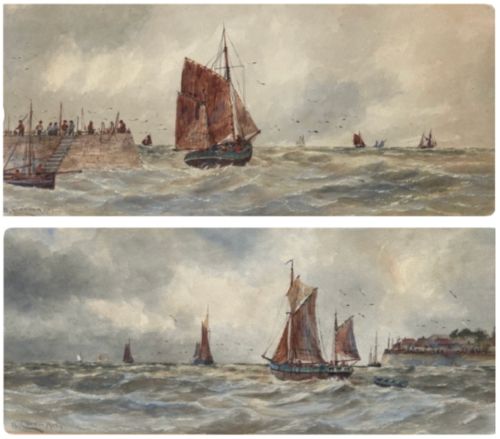
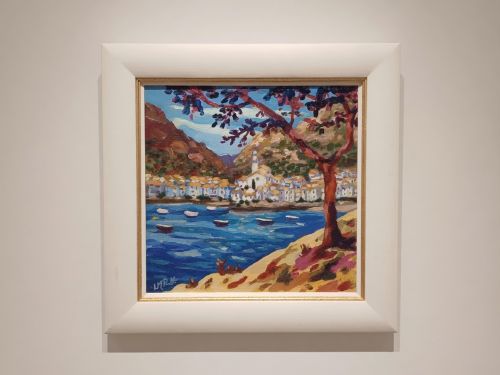
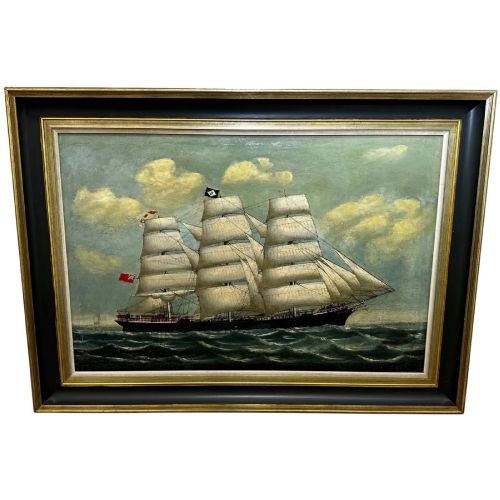
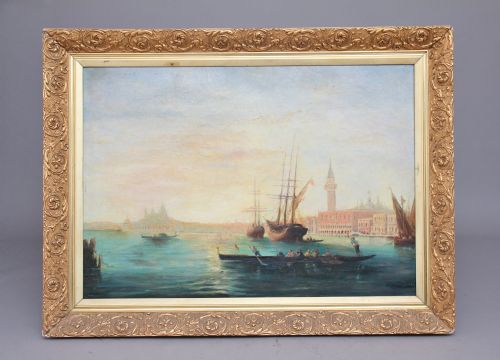
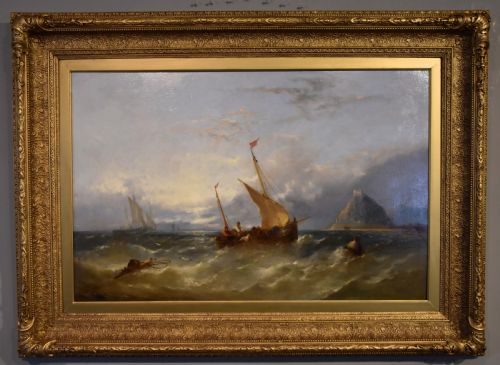
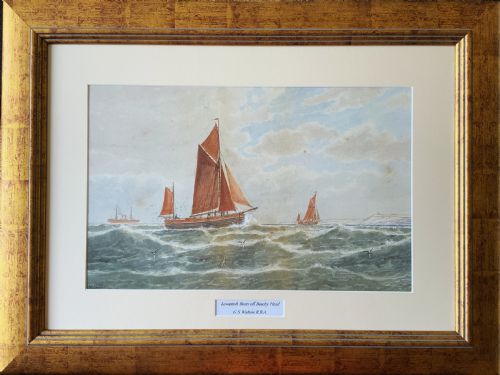
A blue ocean painting records maritime scenes, coastal harbours, and deep-water shipping across the nineteenth and twentieth centuries. These works span traditional British marine art, Edwardian coastal studies, and modernist seascapes.
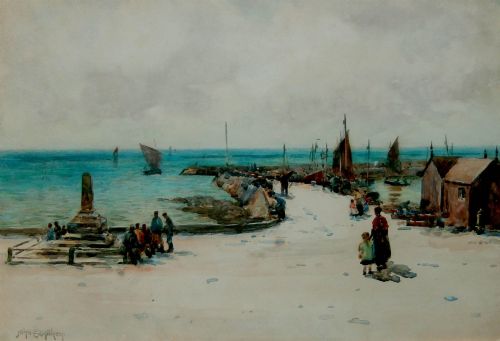
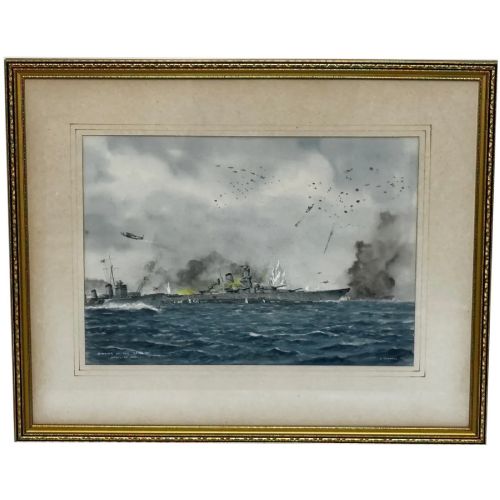
The pieces on this page appear primarily as framed watercolours on paper and oil paintings on canvas or board. Subject matter ranges from quiet Cornish fishing boats to dramatic naval battles and steamships in heavy seas.
Originating largely from British, French, and European hands, these works reflect both plein air observation and studio reconstruction. Buyers encounter everything from intimate nineteenth-century sketches to mid-century impasto canvases.
How they were made
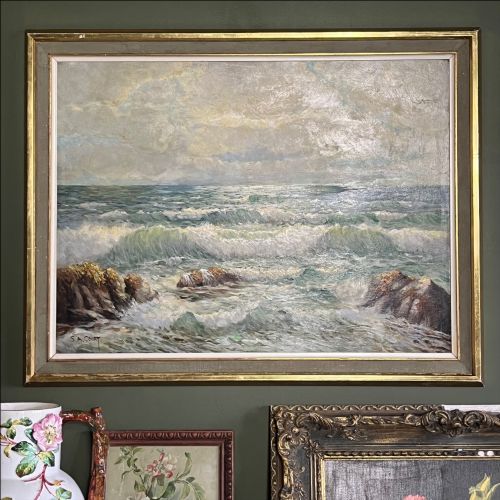
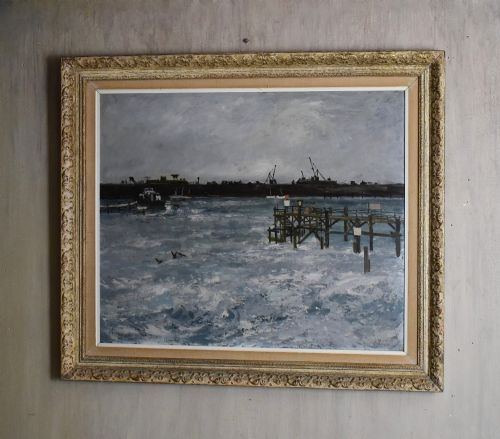
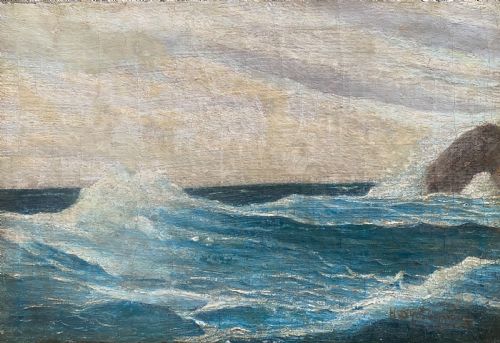
Artists built these marine works using oil paint on stretched canvas or wooden board, as well as watercolour and gouache on paper. Oils allowed for rich layering and thick impasto to render churning waves, while watercolours provided fluid transparency for calm coastal light.
Supports varied from traditional wood panels and woven canvas to heavy paper sheets and occasional board. Many surviving pieces retain their period wooden frames, sometimes accented with gilt mouldings that complement the maritime subject.
Several pieces capture the exact moment a steam ship meets a heavy sea, painted by artists who likely felt every roll of the deck.
What varies in quality
Quality rests upon the artist's command of light, atmosphere, and maritime architecture. Stronger examples demonstrate precise rigging, convincing water movement, and a coherent sense of coastal weather rather than static formula.
Material preservation also sets works apart, distinguishing paintings with stable pigment and clean paper from those compromised by damp or heavy restoration. The sensitivity of the brushwork directly dictates the visual power of the marine scene.
Charles Edward Dixon·Frank H. Mason·Sir William Russell Flint·Charles Napier Hemy·George Stanfield Walters
The Blue Ocean Painting Glossary
- Gouache
- An opaque watercolour medium that dries to a matte finish, frequently utilised for sharp details in maritime storms and vessel rigging.
- Impasto
- Paint applied thickly to a canvas or board, leaving prominent brush marks that give physical texture to foaming waves and billowing sails.
- Plein air
- Painting outdoors in natural light to capture immediate atmospheric conditions along cliffs and harbours.
- Pierhead painting
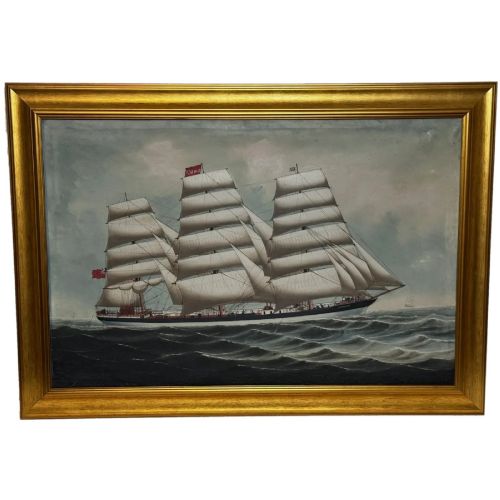
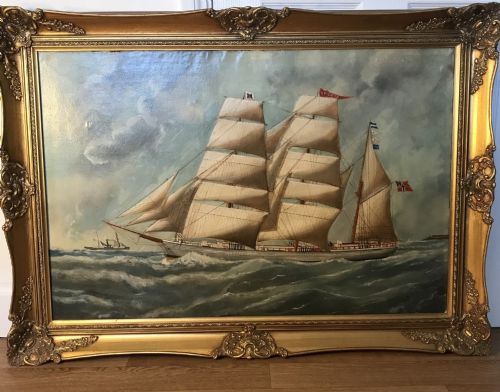
- A specific genre of ship portraiture, often commissioned by captains or owners, depicting vessels arriving at or leaving port.
- Seascape
- A work of fine art focusing primarily on the sea, coastal views, shipping, or naval engagements.
Blue Ocean Painting: Frequently Asked Questions
How do I date a marine painting?
Dating relies on stylistic clues, framing methods, and the depicted vessels, such as the transition from wooden three-masted schooners to steam ships.
Signatures, exhibition labels on the reverse, and biographical dates of the artist provide the most reliable chronological anchors.
What is the difference between oil and watercolour seascapes?
Oils offer rich textures and deep colour saturation, making them ideal for dramatic storms and heavy seas on canvas or board.
Watercolours provide a lighter, luminous quality on paper, suited for clear coastal harbours and bright daylight.
Where should I hang a marine painting?
These works suit rooms with stable humidity away from direct sunlight, which can fade historic watercolours on paper over time.
Matching the frame to the room's interior helps integrate maritime art into traditional or modern domestic spaces.
How do I recognise a pierhead painting?
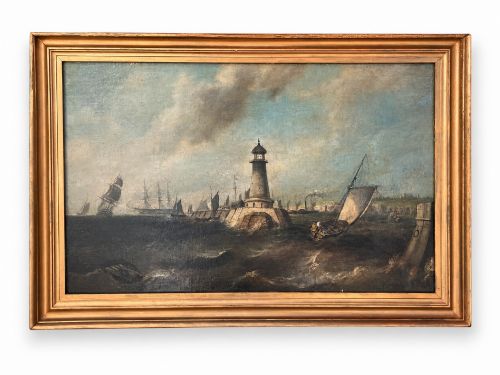
Pierhead paintings typically show a named vessel in profile near a recognisable port or lighthouse, often commissioned to record a specific ship.
They combine topographical accuracy with traditional marine art conventions.