



Blue Ocean Marine Art
Blue ocean marine art captures the shifting power of coastal waters and sailing vessels across centuries of maritime history.
Blue Ocean Marine Art
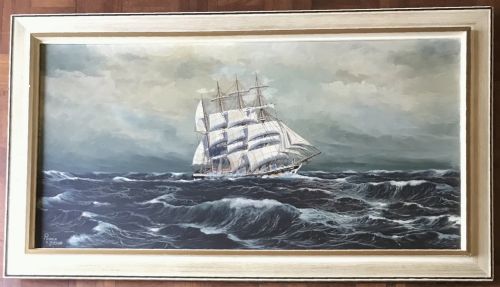
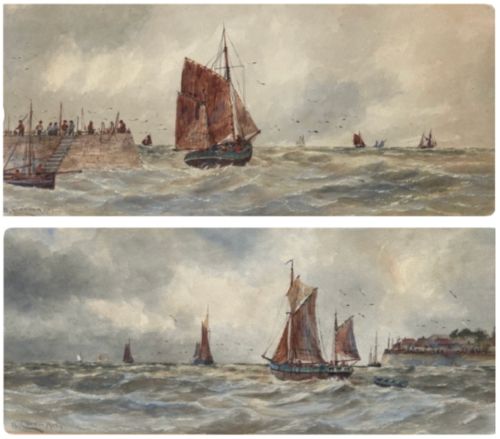
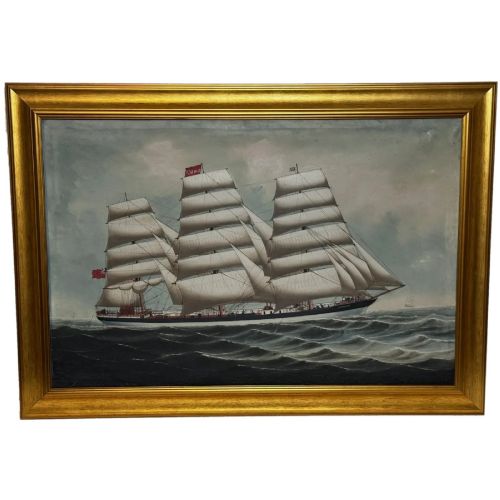
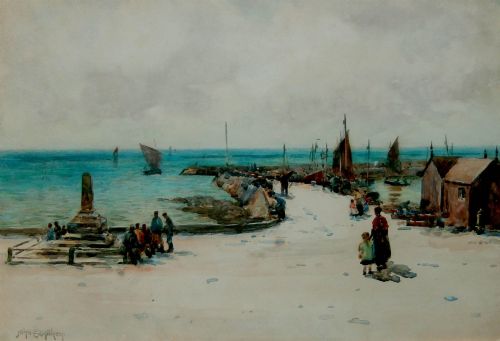
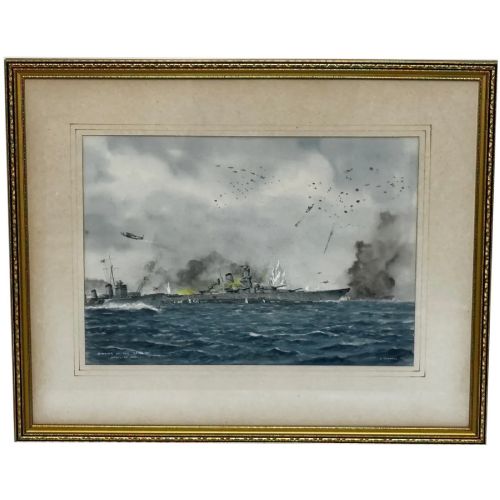
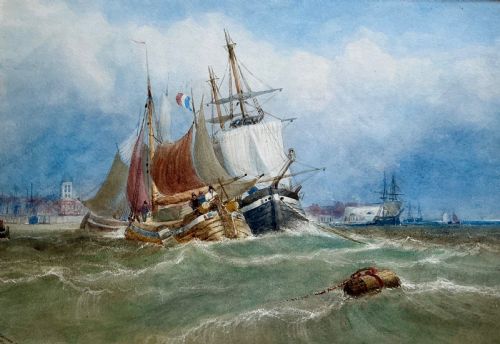
When you search for blue ocean marine art, you encounter historical paintings documenting ships, coastlines, and open waters from the nineteenth and twentieth centuries. These works range from detailed watercolours of fishing boats to sweeping oil paintings of naval battles and commercial sailing vessels.
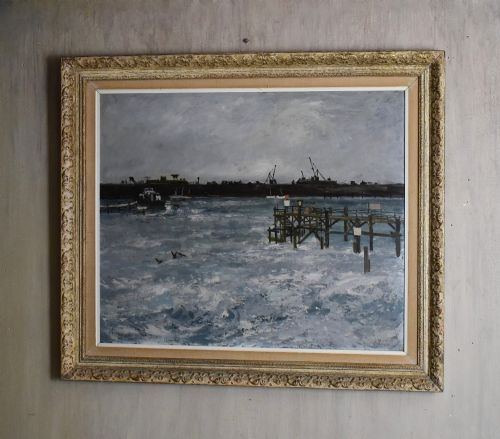
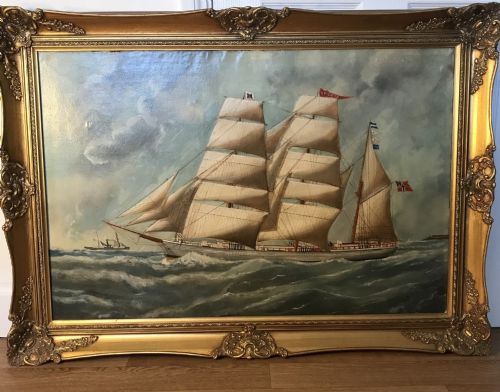
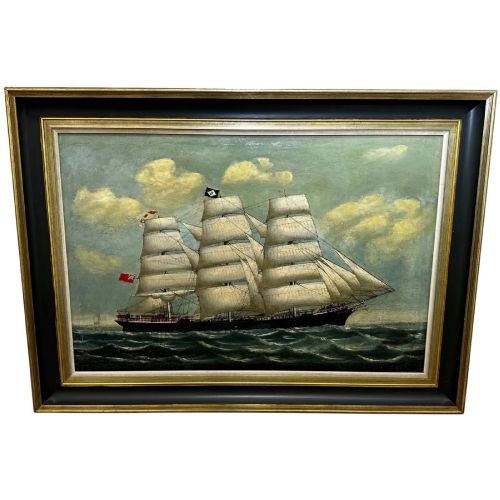
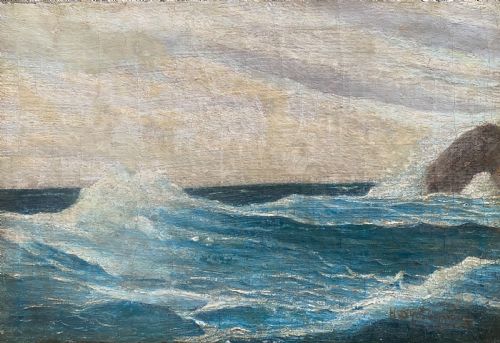
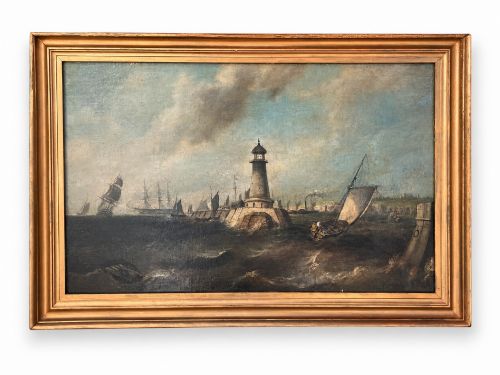
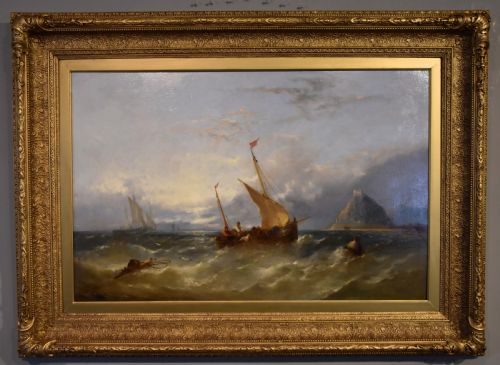
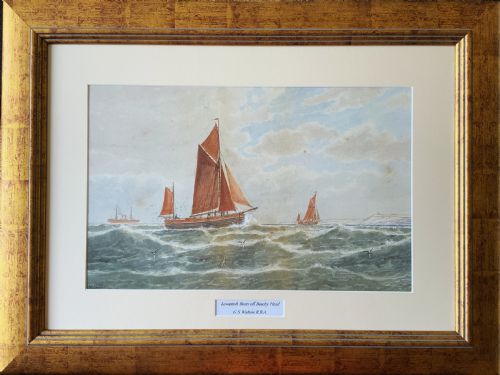
The pieces on this page lean heavily towards traditional British and European marine painting, spanning Victorian maritime scenes through to mid-century impressionism. You will frequently find depictions of Cornish harbours, stormy seas, and portraits of specific ships rendered by named artists and regional schools.
Materials and Techniques
Artists captured these maritime scenes primarily using oil paint on canvas or board, alongside delicate watercolours and gouache on paper. Oil pigments allowed painters to build rich impasto textures for crashing waves, while watercolours suited the atmospheric light of coastal skies.
Many works were executed en plein air to record changing coastal weather directly, whilst studio pieces relied on precise draughtsmanship to depict the rigging and architecture of historical vessels accurately.
Subjects span British coastal villages, Mediterranean ports, and dramatic open-sea battles involving historical sailing ships.
Assessing Quality
Quality rests upon the artist's command of light, water movement, and maritime architecture, where skilled handling brings motion to a heavy sea and stillness to a sheltered harbour. Superior works demonstrate an intimate knowledge of marine subjects, from correct ship rigging to the weight of Atlantic swells.
The integrity of the framing, the preservation of the paper or canvas, and the strength of the provenance further distinguish standard decorative works from accomplished paintings by recognised hands.
Reginald Arthur Borstel·Sidney A Court·Charles Edward Dixon·John E Aitken·Eric Tufnell·William Banks Fortescue·George Stanfield Walters·Charles William Adderton·Charles Napier Hemy·Norman Lloyd·Gustave De Bréanski·Daniel Sherrin·Charles Malfroy·Stephen J Renard·Frank H Mason·Dion Pears
The Blue Ocean Marine Art Glossary
- En plein air
- Painting outdoors to capture natural light and direct observation of the weather. This method became popular in the nineteenth century for recording coastal scenes.
- Impasto
- Paint applied thickly to a canvas or board, standing out from the surface. Artists used this technique to render the texture of foam, breaking waves, and churning water.
- Pierhead painting
- A specialised genre depicting specific commercial ships, usually entering or leaving a port. These works were often commissioned by captains or shipowners.
- Seascape
- A work of art depicting the sea, coastlines, or maritime activity. It forms the primary category for ocean-focused paintings.
- Watercolour
- A paint consisting of water-soluble pigments used on paper. It creates transparent washes well-suited to misty coastal air and luminous skies.
Blue Ocean Marine Art: Frequently Asked Questions
What subjects appear in marine art?
These works depict sailing ships, steam vessels, naval battles, fishing boats, and coastal landscapes. Artists focused on both commercial shipping lanes and dramatic coastal scenery.
Scenes range from tranquil anchorages in Cornwall and Naples to stormy seas involving schooners, barques, and clippers.
How do I date a marine painting?
Dating relies on the ship types depicted, such as three-masted schooners or early steamships, alongside artist signatures and framing styles. Clothing styles of figures on the shore also offer clues.
Victorian and Edwardian works often display detailed rigging and academic precision, while mid-century pieces tend towards impressionistic brushwork.
Where were these paintings created?
Many works originate from coastal artist colonies in Britain, France, and Norway, where painters gathered to study maritime traffic and weather. St Ives, Scarborough, and the Normandy coast were particularly active.
Artists also travelled to major ports such as Hong Kong and Naples to record international shipping and local craft.
How should I display maritime watercolours?
Watercolours require conservation framing with acid-free mounts and UV-protective glass to prevent fading of the pigments on paper. Direct sunlight will damage these sensitive works over time.
Keep them away from damp walls, as moisture encourages foxing and paper deterioration.