


Blue Medallion Carpet
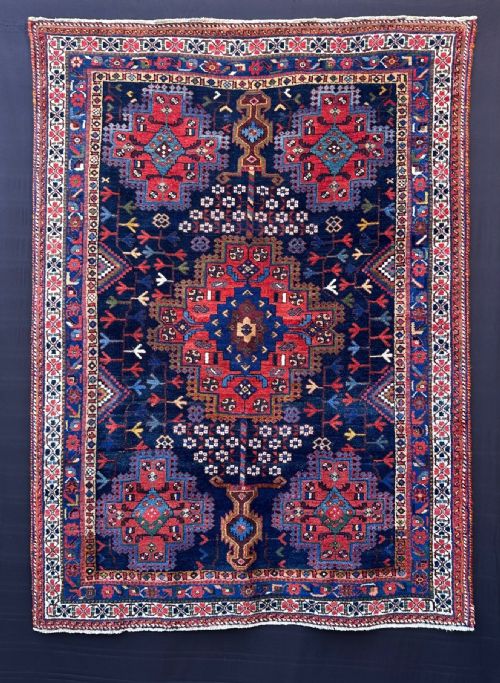
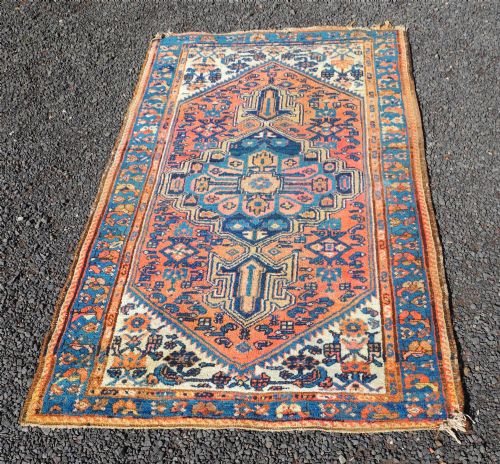
A blue medallion carpet brings rich Persian or Anatolian geometry into a room, grounding the floor with traditional tribal artistry.
Blue Medallion Carpet
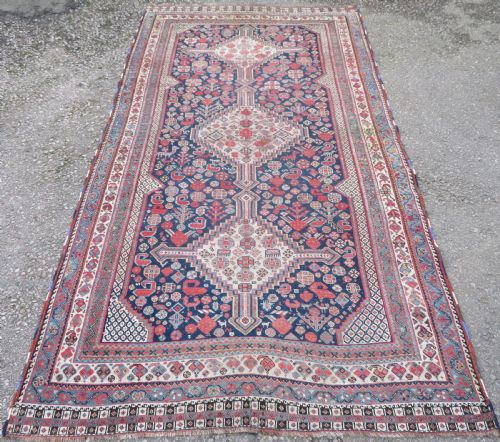
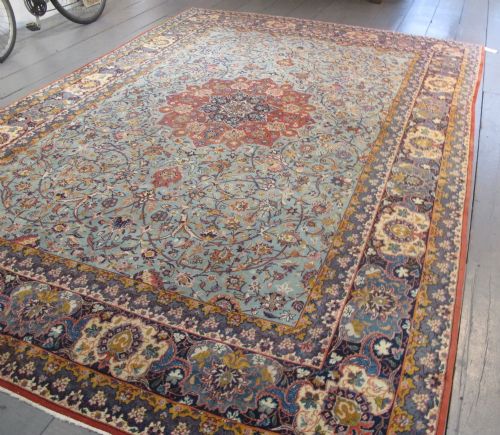
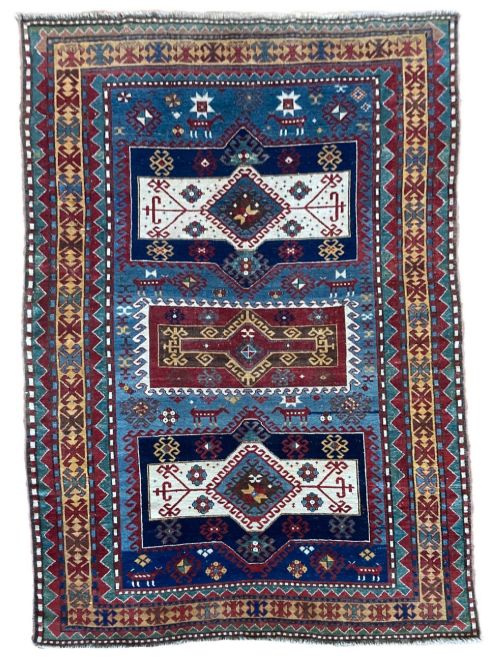
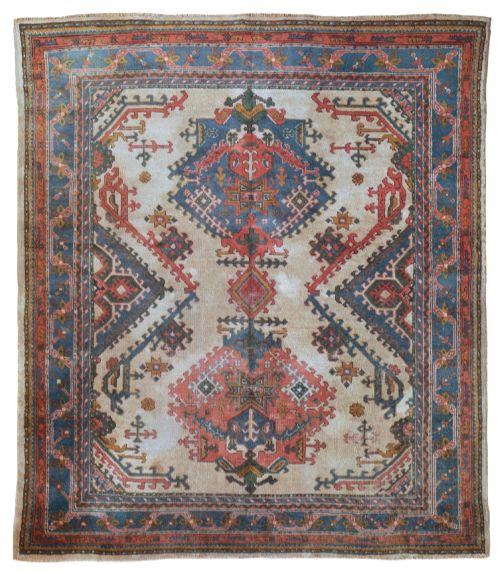
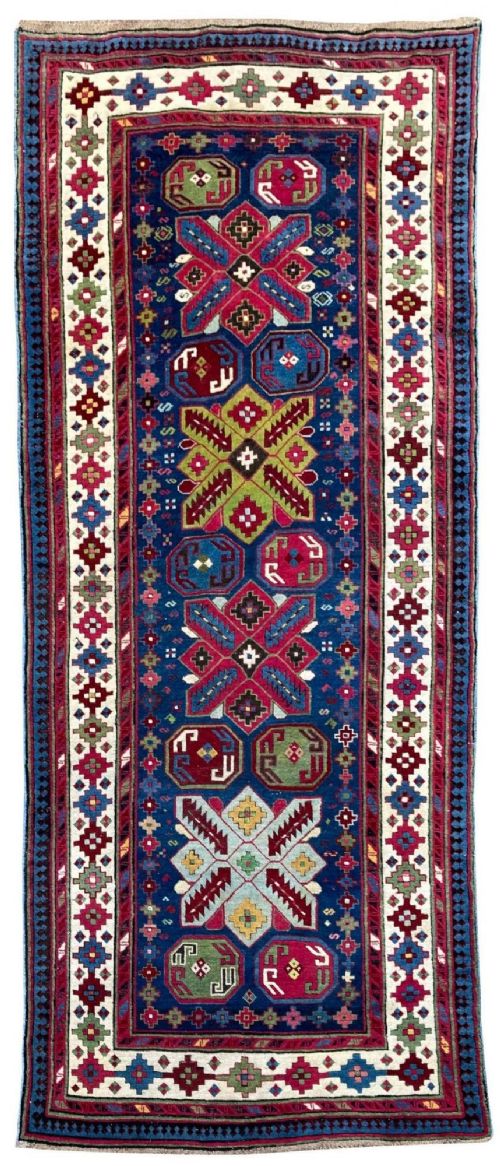
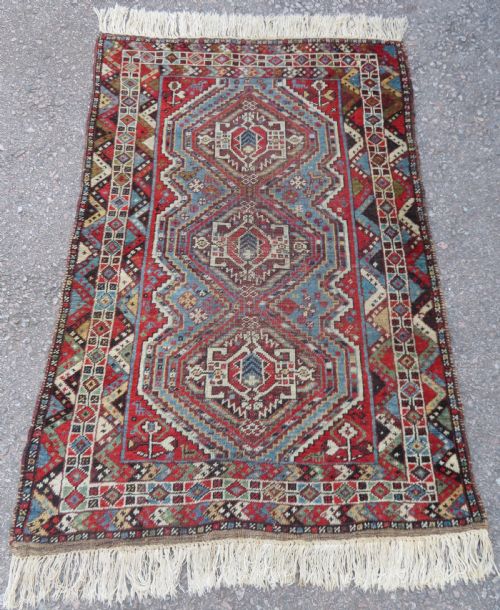
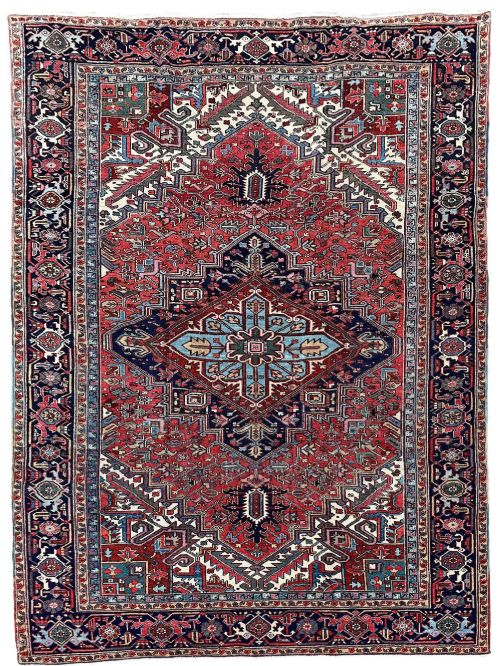
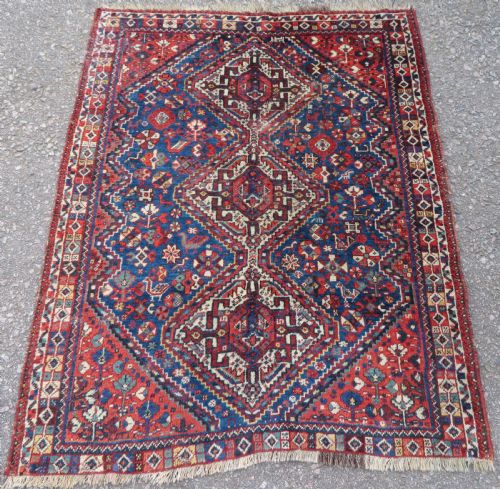
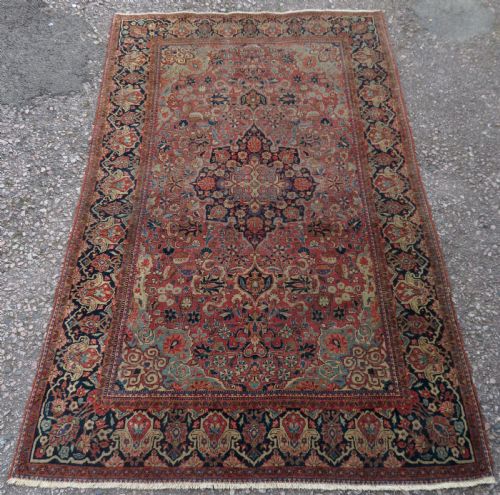
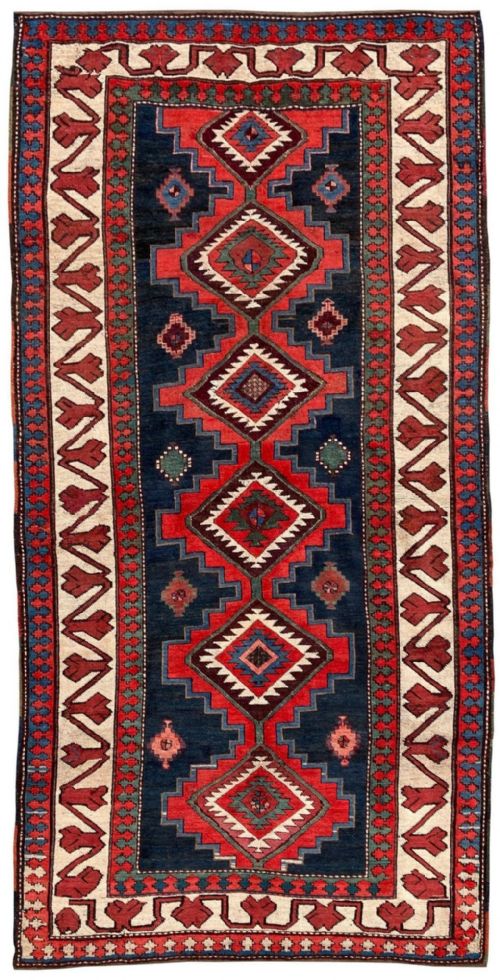
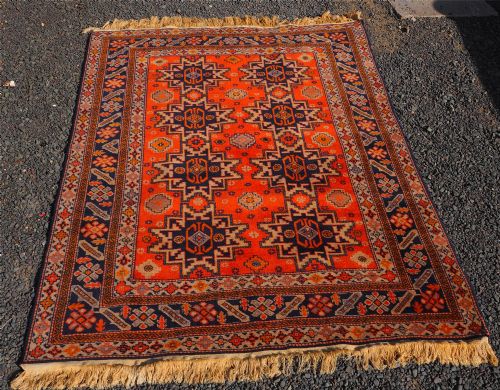
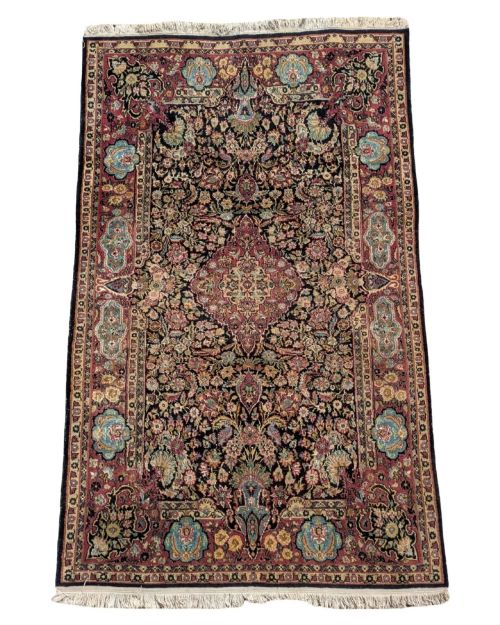
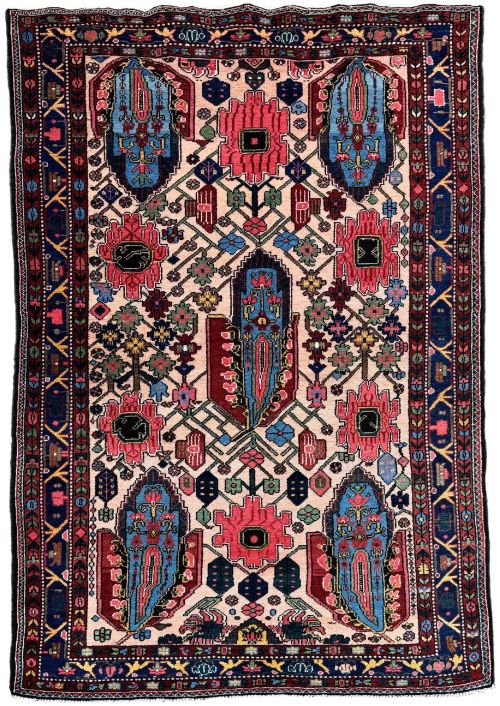
A blue medallion carpet sits within a lineage of woven floor coverings originating from Persian, Caucasian, Anatolian, and Tibetan workshops. When searching for a blue medallion carpet, a buyer encounters pieces ranging from compact area rugs to large room-sized carpets.
The selections span periods from the mid-nineteenth century through the early twentieth century. Common formats include runners, large carpets, and smaller tribal rugs woven in regional styles such as Heriz, Khamseh, Bakhtiar, and Kazak.
How they were made
These floor coverings utilise wool, hand-spun wool, cotton foundations, and occasional silk highlights. Weavers knotted the materials by hand on traditional vertical or horizontal looms.
Natural and early synthetic dyes provided the palette for the geometric and floral designs seen across the regional types. The density of the knotting varied according to whether the piece originated from a tribal weaver or a city workshop.
Blue Medallion Carpet Retail Price Guide 2026
Typical asking prices for blue medallion carpet among the pieces listed under this phrase on Sellingantiques today, from the lower quarter to the upper quarter. They describe what is for sale here now, not the wider market.
Some nineteenth-century weavers slipped small intentional irregularities into their geometric medallions to ward off the evil eye.
What varies in quality
The standard of materials underpins the durability and handle of each piece. Tightly spun wool and sturdy cotton foundations hold their structure better over decades of foot traffic than looser weaves.
Design precision and dye consistency distinguish the output of different regions. Subtle shifts in hue reflect the use of natural dyestuffs and the skill of the dyer.
The Blue Medallion Carpet Glossary
- Medallion
- A central ornamental motif placed in the middle of the field. This design element draws the eye and anchors the symmetrical layout of the rug.
- Knot
- The individual loops of thread tied around the warp threads to form the pile. Higher knot counts usually allow for greater clarity in geometric and curvilinear patterns.
- Warp
- The vertical threads stretched tightly on the loom before weaving begins. The fringe of a finished rug is typically formed by the exposed ends of these threads.
- Weft
- The horizontal threads passed alternately over and under the warp threads to lock the knots in place. These horizontal strands give the carpet structural stability.
- Pile
- The vertical or slanted surface of cut yarn that forms the soft top layer of the carpet. The length of the pile varies between dense city rugs and flatter tribal weaves.
Blue Medallion Carpet: Frequently Asked Questions
How do I style a blue medallion carpet?
Place the carpet in a room with neutral furnishings to let the central motif and blue tones stand out. It anchors sitting areas or adds warmth to wooden floorboards.
Consider the scale of the furniture in relation to the dimensions of the rug. A large room-sized piece can sit beneath a dining table or coffee table, while runners suit hallways.
How do I clean an antique carpet?
Gentle surface cleaning and regular light vacuuming without a beater bar help maintain the wool pile. Professional specialist cleaning is recommended for deeper maintenance.
Avoid excessive water and harsh chemical detergents. Keeping the piece out of direct sunlight preserves the original dyes.
What is a tribal rug?
Tribal rugs are woven by nomadic or village groups rather than urban workshops. Their patterns often rely on memory and local tradition rather than drawn cartoons.
These pieces frequently feature geometric medallions and spontaneous colour shifts. They represent regional folk art traditions from areas like Persia and Anatolia.
How can I tell the age of a carpet?
Age is assessed through material analysis, dye types, and structural characteristics. Natural wear patterns and the type of wool also offer clues to the period of production.
Nineteenth-century pieces often display softer wool characteristics and specific regional palettes. Comparing the knotting style with documented examples helps narrow down the decade.