

Blue Marine Painting
A blue marine painting captures the motion of the sea, the weight of merchant barques and the salt of coastal waters.
Blue Marine Painting
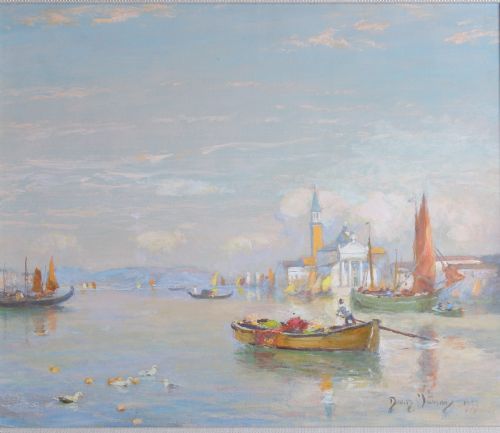
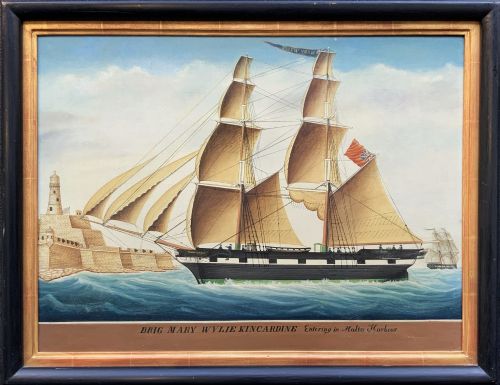
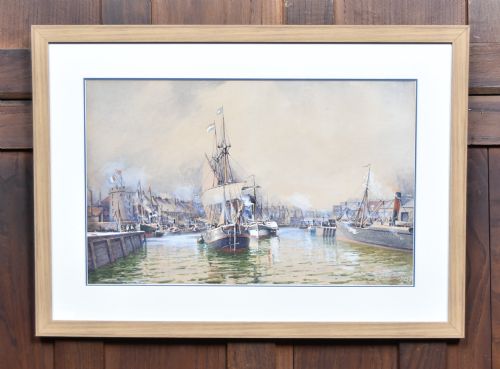
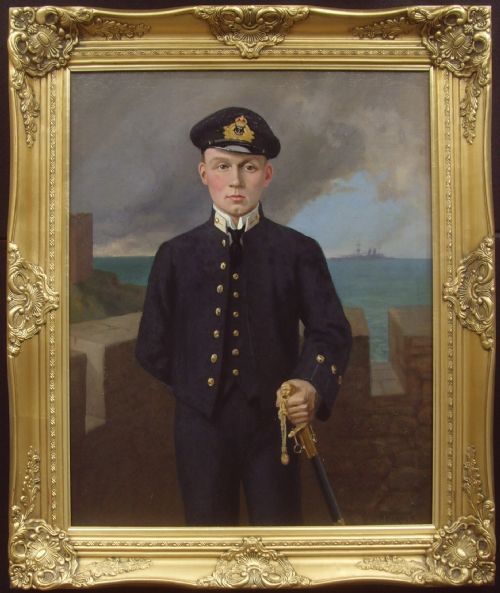
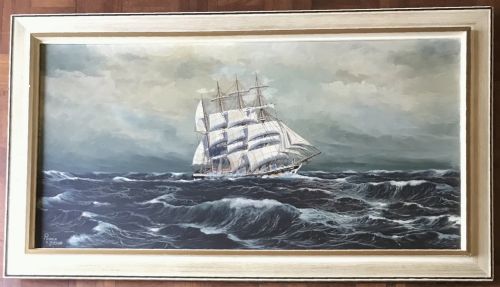
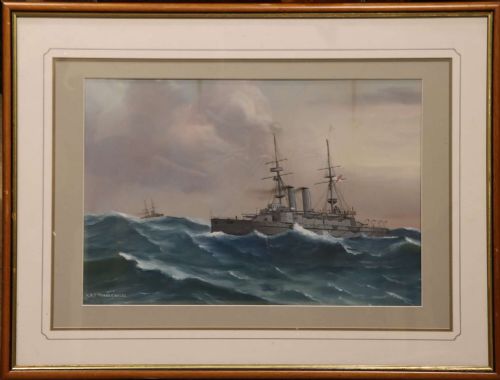
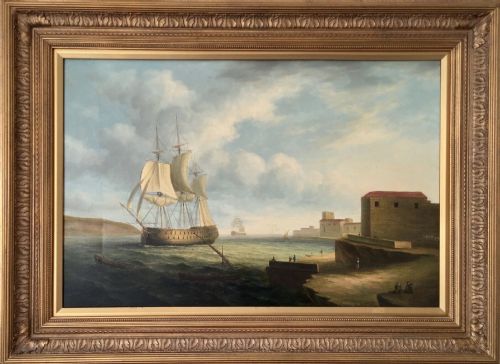
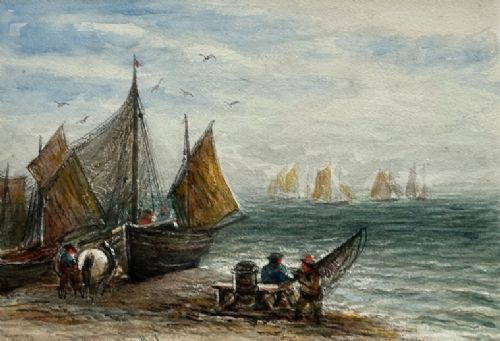
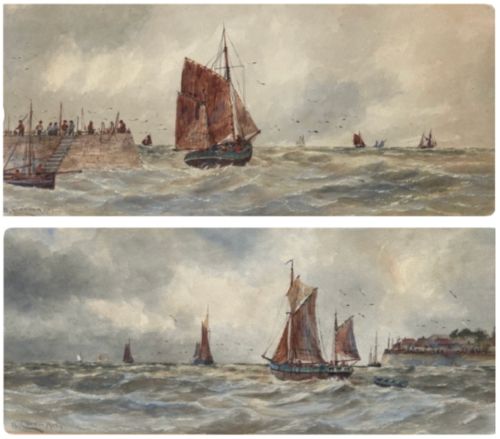
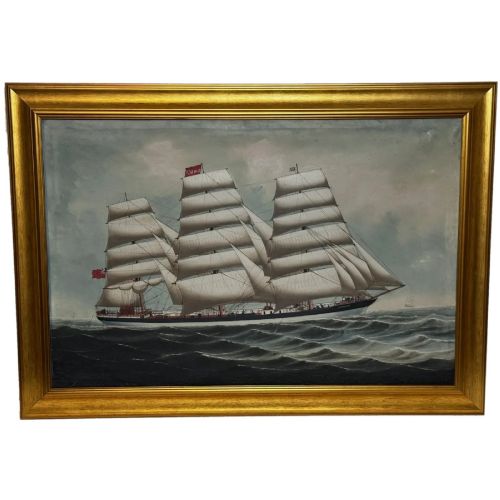
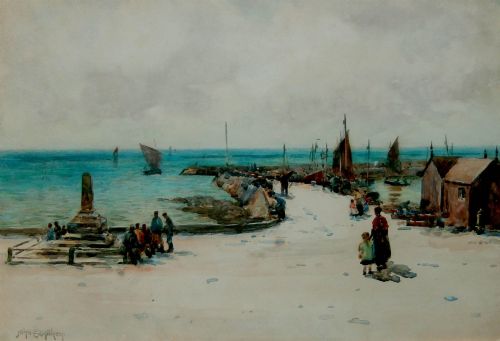
A blue marine painting depicts maritime scenes, coastal harbours, naval engagements and open waters executed across the nineteenth and twentieth centuries. The works range from detailed portraits of named steamships and three-masted schooners to atmospheric watercolours of fishing boats off Cornish ports and Venetian canals.
Most pieces met on this page date from the Victorian period through to the mid-twentieth century, encompassing British Impressionism, Post-Impressionism and traditional maritime styles. Buyers encounter both small-scale watercolours on paper and substantial oil paintings on canvas or panel, framed for wall display.
How they were made
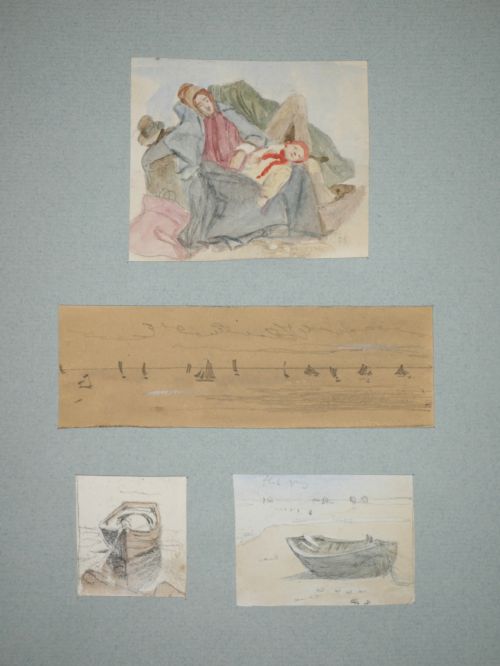
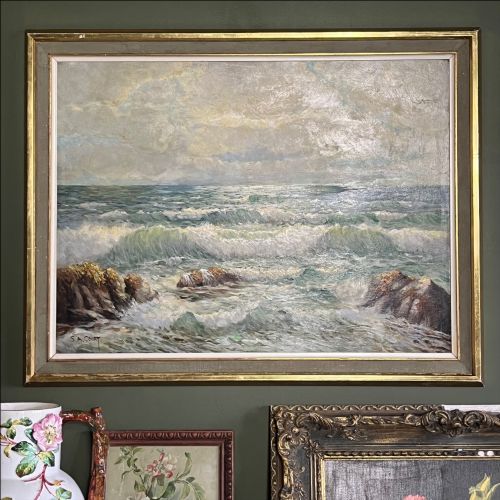
Artists deployed oil paint on canvas, panel or board, and watercolour or gouache on paper, to render the translucent depths and crests of water. Oil pigments allowed for thick application and rich textural effects in stormy seas, while watercolours captured the bright, translucent light of harbours and estuaries.
Many works were painted en plein air along coastal spots like St Ives, Brighton and Cornwall, or recorded historical naval vessels and merchant craft from observation. Framing typically utilised wood to protect works on paper and canvas alike.
Listings span the nineteenth century through to the 1960s, utilising paper, canvas, wood and glass across diverse maritime styles.
What varies in quality
The standard of a marine painting rests upon the artist's command of water movement, atmospheric light and maritime rigging. Accomplished hands convey the specific architecture of vessels and the correct weight of wind-driven seas, whereas lesser works rely on formulaic waves and stiff, static hulls.
Condition also dictates distinction, separating well-preserved watercolours retaining their original pigment strength from faded sheets or canvases bearing heavy past repairs and surface craquelure.
Sir David Murray RA·Donald McIntyre·William Woolard·Samuel Harry Hancock·James Hardy·James Orrock·William Cannon·James Smetham·Reginald Arthur Borstel·Sidney A. Court·John E. Aitken·Eric Tufnell·William Banks Fortescue·Frank Watson Wood·Bernard Gribble·Peter Brannan·Paul Bret·Bernard Benedict Hemy·Thomas Creswick·T B Hardy·Charles Euphraisie Kuasseg·Lai Fong·Joseph Farquharson·Dubovsky·Nicholas Condy
The Blue Marine Painting Glossary
- Marine painting
- A work of art depicting ships, harbours, coastal landscapes or open seas. These pieces document naval history, commercial shipping and coastal life.
- Watercolour
- A painting method where fine pigment is suspended in a water-based solution on paper. It offers luminous, transparent washes ideal for skies and calm seas.
- Oil on canvas
- A technique using pigments bound in drying oil applied to stretched fabric. This medium permits deep tonal layering and rich textural depiction of stormy waters.
- Gouache
- An opaque water-based paint that provides solid areas of colour and sharp detail. It is frequently found in maritime works recording specific naval vessels.
- En plein air
- The practice of painting outdoors to capture direct natural light and atmospheric conditions. Artists utilised this approach along coastlines to observe shifting sea states.
Blue Marine Painting: Frequently Asked Questions
What subjects appear in marine paintings?
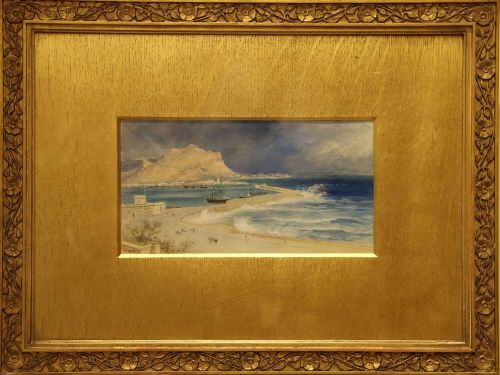
These works feature named sailing ships, steamships, naval engagements, busy commercial ports and quiet fishing boats at anchor. Artists also recorded specific coastal locations such as Palermo harbour, Valletta, St Ives and Venice.
The focus shifts between detailed historical vessel portraits and broader atmospheric studies of waves, light and weather along the shoreline.
How do I care for a watercolour marine painting?
Works on paper require protection from direct sunlight to prevent the watercolours from fading over time. Glazing with conservation-grade glass helps shield the pigment from ultraviolet light and airborne pollutants.
Humidity control in the room prevents moisture damage and foxing spots from developing on the paper support.
What is the difference between oil and watercolour marine works?
Oil paintings utilise thick pigments on canvas or panel, offering deep textures and rich colour saturation suited to stormy seas and dramatic skies. Watercolours employ translucent washes on paper, capturing bright harbour light and calm coastal atmospheres.
Oils are generally heavier and less susceptible to light fade, whereas watercolours require protective framing under glass.
How are periods identified in antique marine art?
Dating relies on the rigging and type of vessels depicted, artist signatures, framing styles and period exhibition labels on the reverse. Steamships and specific naval uniforms often point clearly to the Edwardian era or the nineteenth century.
Stylistic shifts, such as the looser brushwork of later British Impressionism, help distinguish mid-century works from Victorian paintings.