




Blue Gold Wall Art
These pieces grouped as blue gold wall art span centuries of painted canvases, watercolours and framed prints.
Blue Gold Wall Art
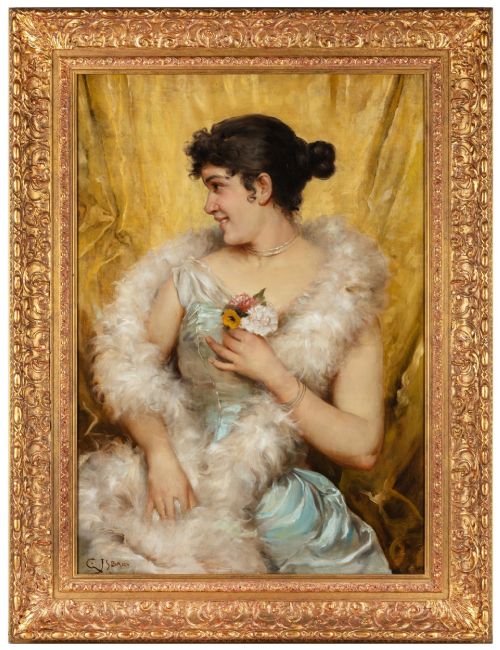
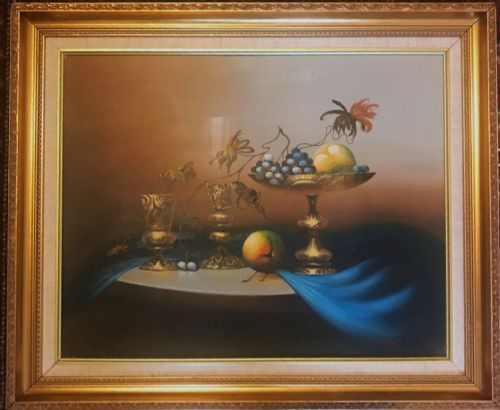
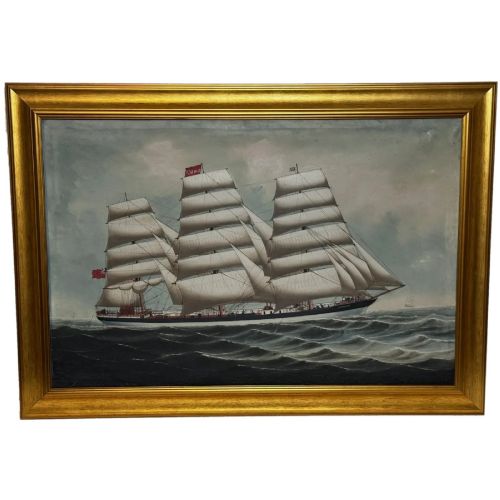
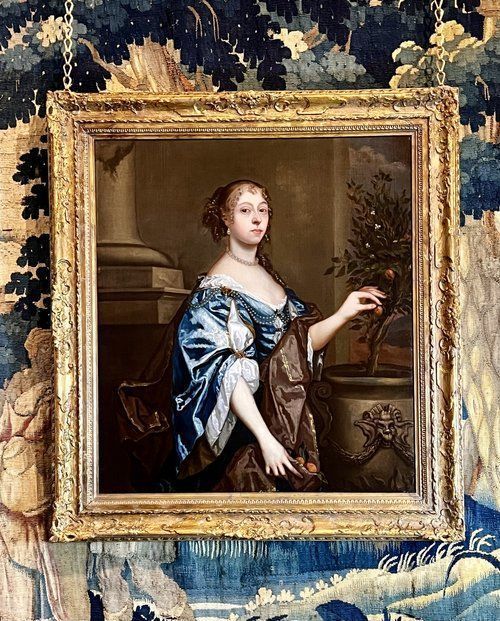
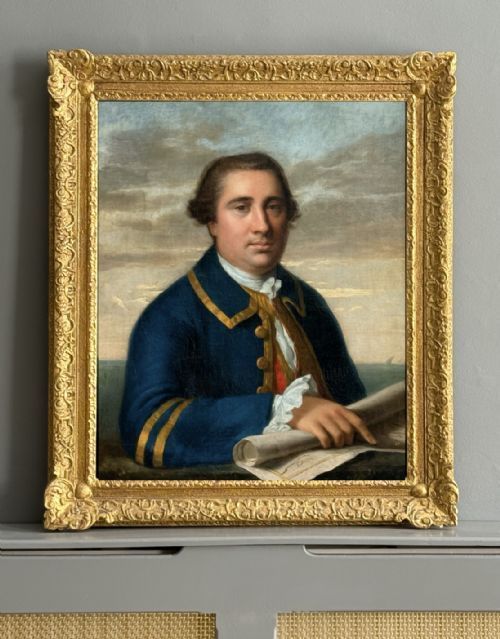
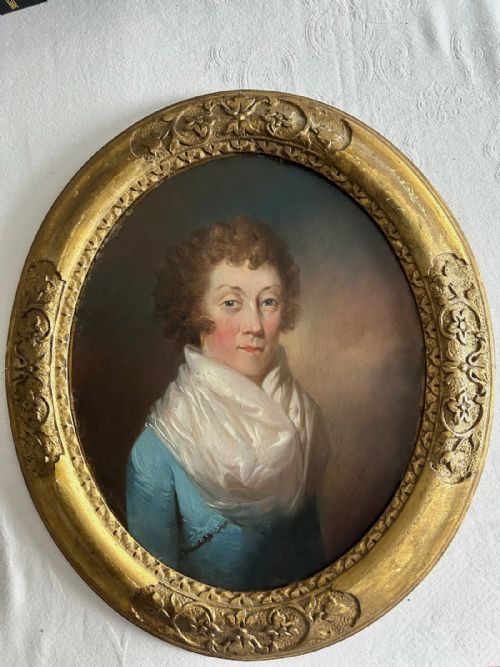
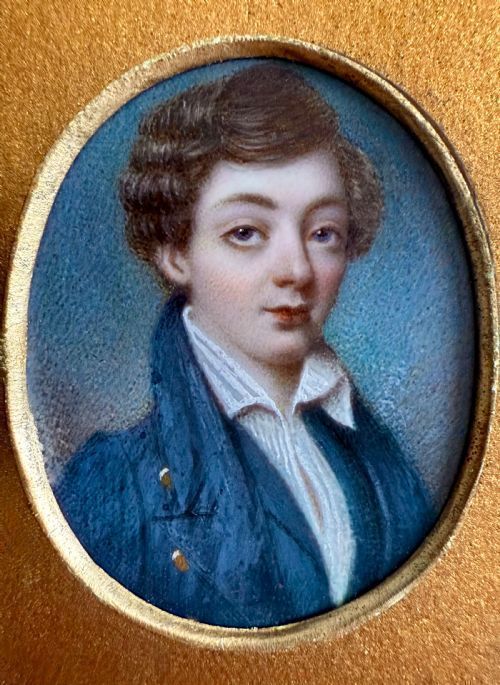
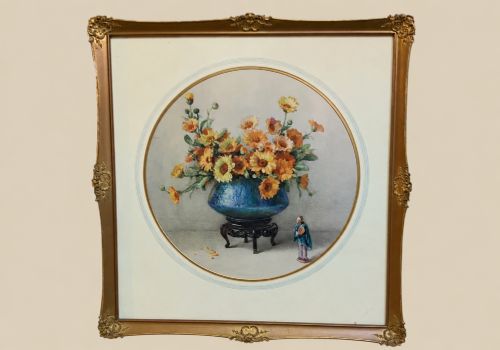
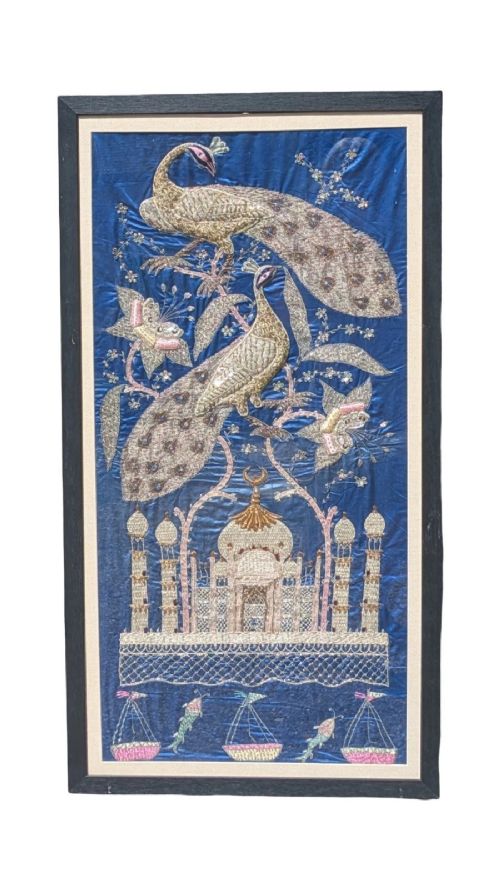
When a buyer searches for blue gold wall art, they encounter historical paintings, watercolours, and fine art pieces spanning from the seventeenth century through to the mid-twentieth century. The selection includes maritime scenes, classical portraits, and still life compositions rendered on canvas or paper.
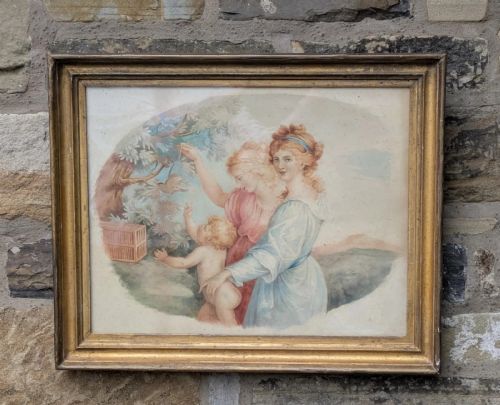
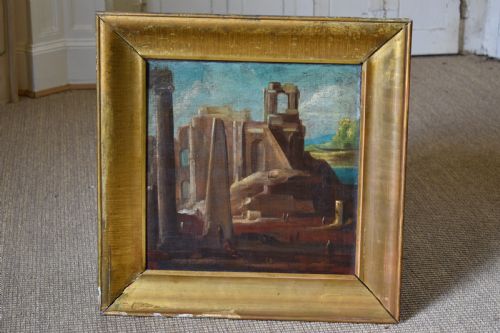
Oil paintings on canvas and panel form a significant part of the selection, alongside delicate watercolours and hand-coloured engravings. Buyers frequently meet works executed in periods such as the Georgian, Victorian, and Art Deco eras, reflecting diverse regional styles from English seascapes to Italianate views.
Materials and technique
Makers utilised oil paint on canvas and wood panels, applying pigments to create durable works with rich surface textures. Watercolours on paper offer a lighter alternative, often capturing transient atmospheric effects in marine and landscape subjects.
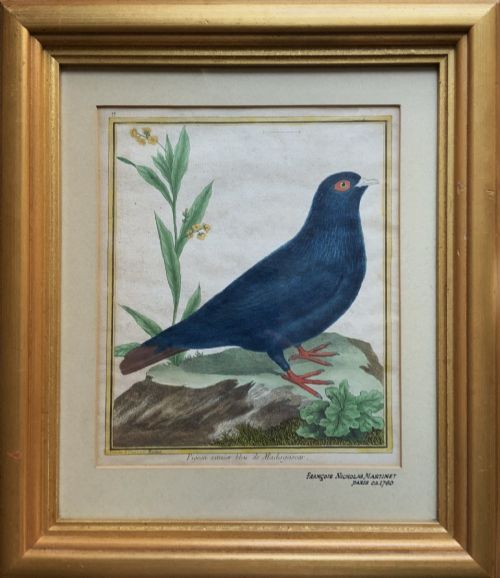
Frames incorporate wood and gilt wood materials, providing structural support and decorative borders that complement the visual palette of the artworks. Engravings utilise paper supports with hand-coloured details applied over printed lines.
Sailors and merchant captains stare out from seventeenth-century canvases alongside quiet bowls of apples and grazing sheep.
Assessing the execution
The standard of fine art depends upon the precision of brushwork and the depth of tonal gradation achieved by the painter. Superior examples demonstrate a confident handling of light and shadow, particularly in complex maritime scenes and portraiture.
The preservation of the original surface and the integrity of the support material influence the standing of each piece. Works retaining their initial framing materials and unblemished paint layers command greater attention from discerning collectors.
François Nicolas Martinet·Richard Cosway·Francis Moltino·Thomas Spinks·Allan Ramsay
The Blue Gold Wall Art Glossary
- Oil painting
- A work created using pigments bound in a drying oil medium, typically applied to canvas or wood panel. This technique allows for rich colour blending and textured brushwork.
- Watercolour
- A painting method where water-soluble pigments are applied to paper, producing luminous and translucent effects. It was widely utilised for landscapes and preliminary studies.
- Gilt wood
- Wood carved and coated with a thin layer of gold leaf or metallic powder, commonly used for decorative picture frames. It adds a reflective border to paintings.
- Engraving
- A printmaking process where an image is incised onto a metal plate, which is then inked and pressed onto paper. Hand-coloured examples receive pigment additions after printing.
Blue Gold Wall Art: Frequently Asked Questions
What periods do these pieces represent?
The inventory spans multiple centuries, incorporating works from the seventeenth, eighteenth, nineteenth, and twentieth centuries. Styles range from Renaissance Revival and Georgian portraiture to mid-century impressionism.
Buyers will find specific dated pieces alongside broader period classifications, reflecting the changing aesthetic preferences of artists across different historical epochs.
How were these artworks framed?
Many works retain period framing executed in wood and gilt wood, which provides historical context and aesthetic balance. These frames often reflect the prevailing design trends of their respective centuries.
Original or period-appropriate surrounds contribute significantly to the overall presentation and authenticity of historical wall art.
What subjects are most common?
Marine scenes, coastal views, botanical still lifes, and human portraits dominate the available selection. Artists frequently depicted ships at sea, classical landscapes, and domestic flower arrangements.
These traditional subjects offer insight into the documentary and decorative priorities of historical painters and illustrators.
How do watercolours differ from oils?
Watercolour paintings utilise paper supports and water-soluble pigments to achieve a lighter, translucent quality. Oil paintings employ canvas or wood panels with oil-based mediums for greater opacity and texture.
Each medium requires distinct conservation approaches and offers a different visual experience to the viewer.