
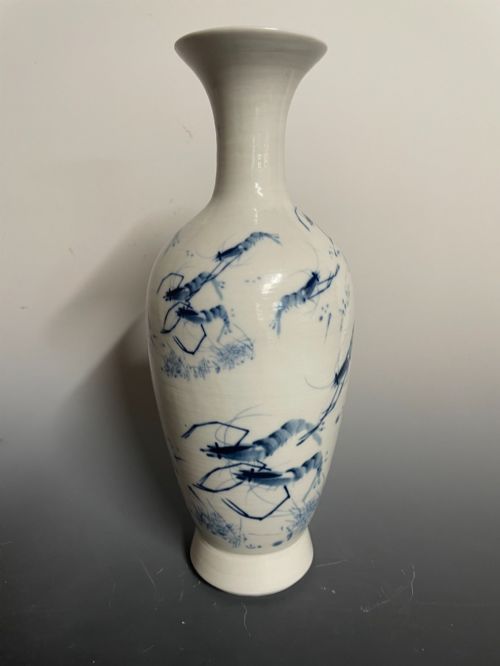
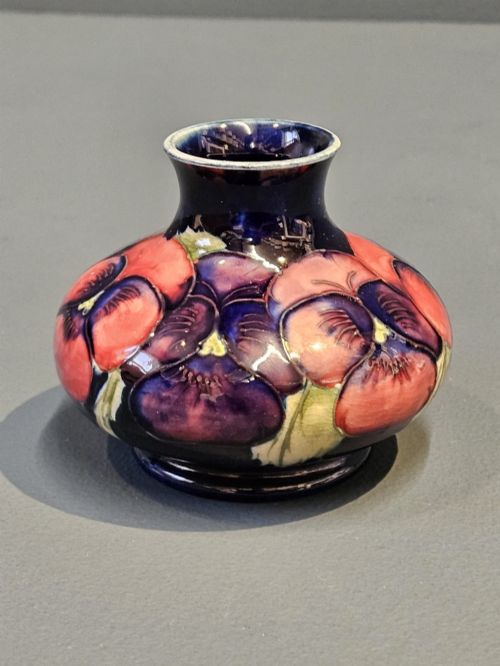
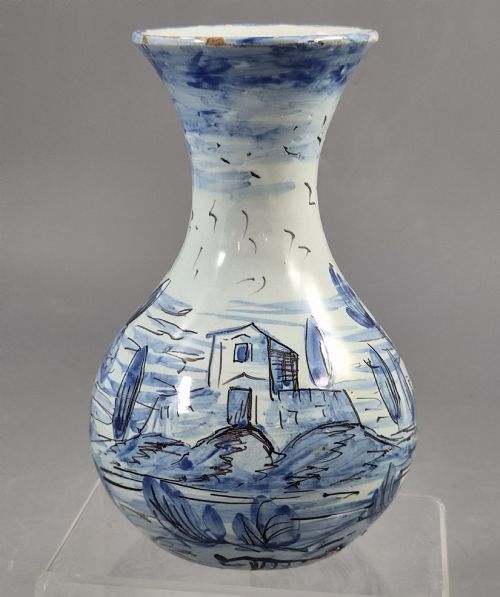
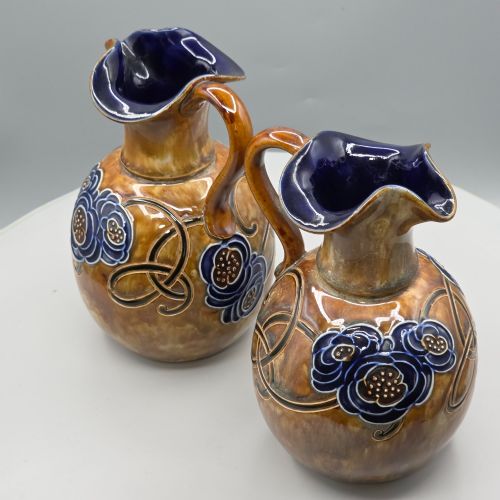
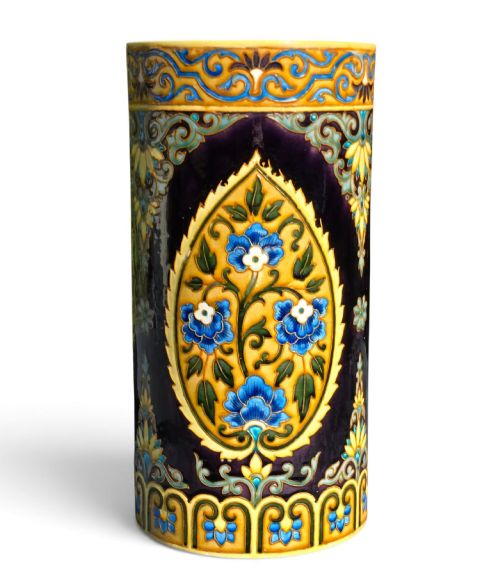
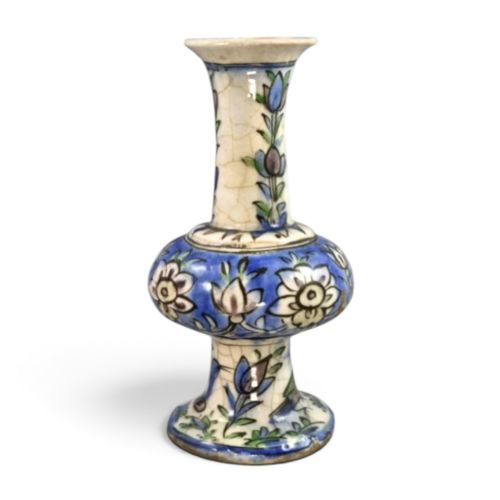
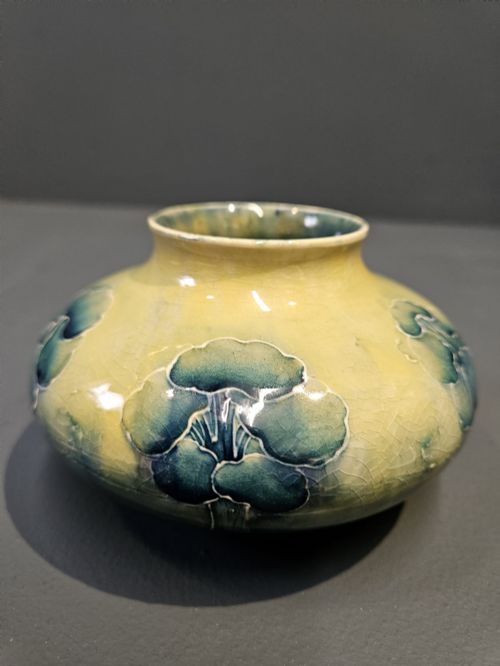
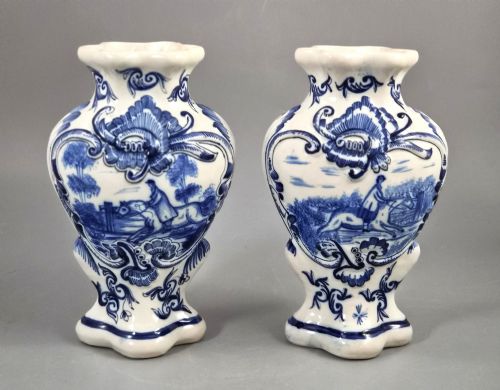
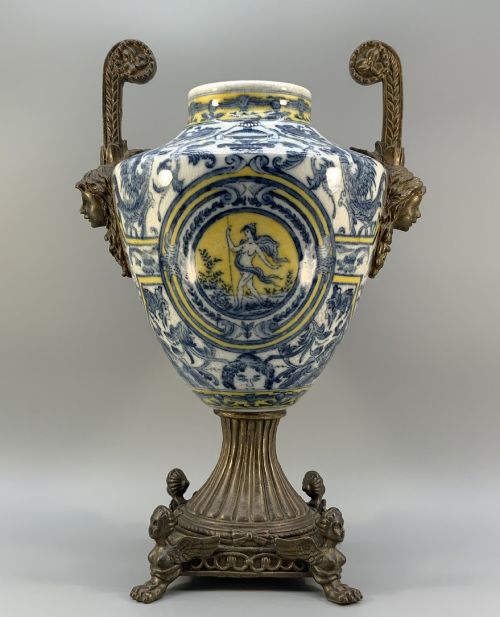
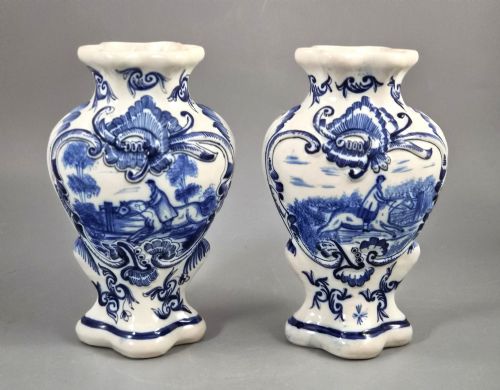
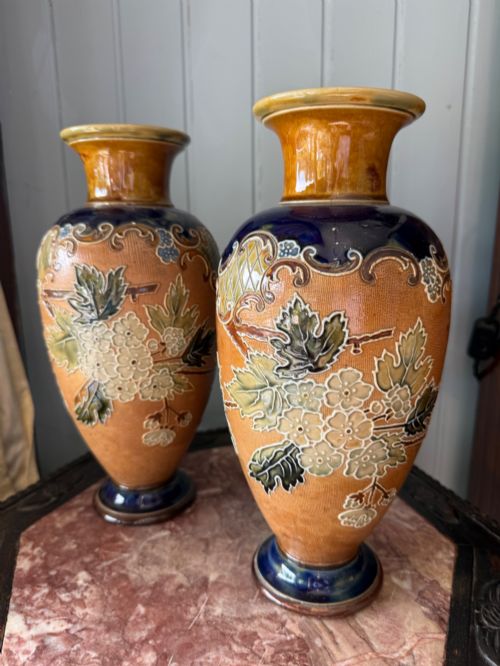
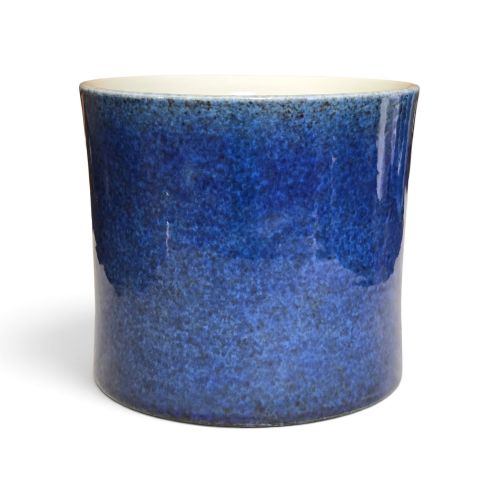
Blue Glazed Vase
A blue glazed vase brings depth and maritime richness to a room, ranging from tin-glazed earthenware to deep stoneware.
Blue Glazed Vase
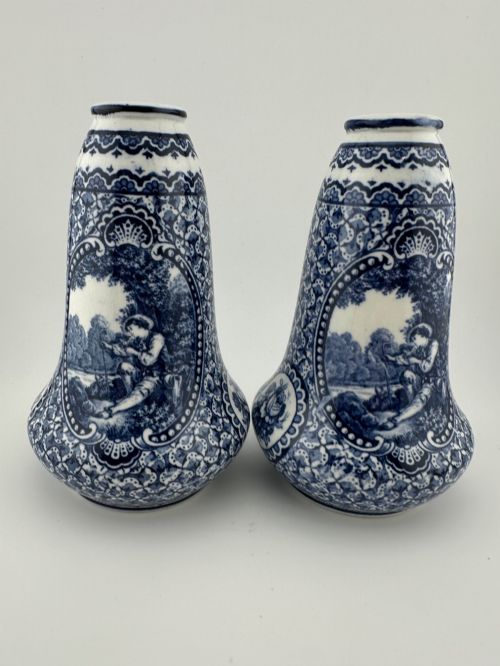
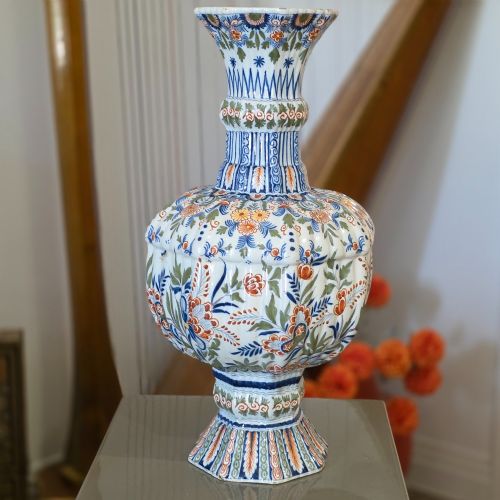
A blue glazed vase encompasses vessels shaped from earthenware, porcelain, and stoneware, coated in distinct cobalt or blue-toned finishes. When you search for a blue glazed vase, you encounter pieces spanning multiple centuries, from 18th-century Dutch Delftware to late 19th-century Art Nouveau ceramics.
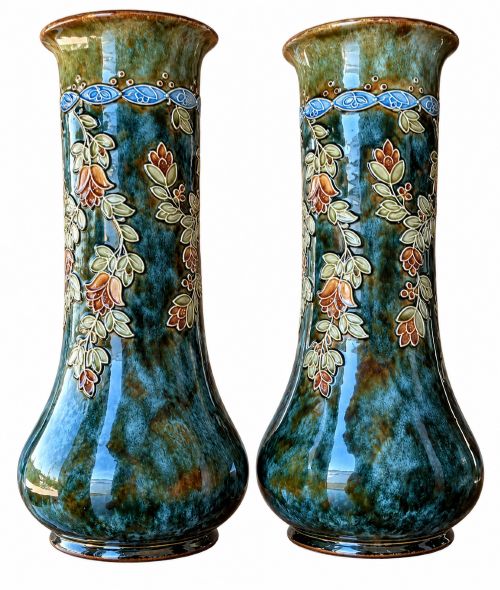
The selections on this page lean heavily toward nineteenth-century European pottery, notably Doulton Lambeth stoneware and French faience, alongside traditional Chinese and Japanese porcelains. These objects take many forms, including lidded jars, tall baluster vessels, and decorative table pieces.
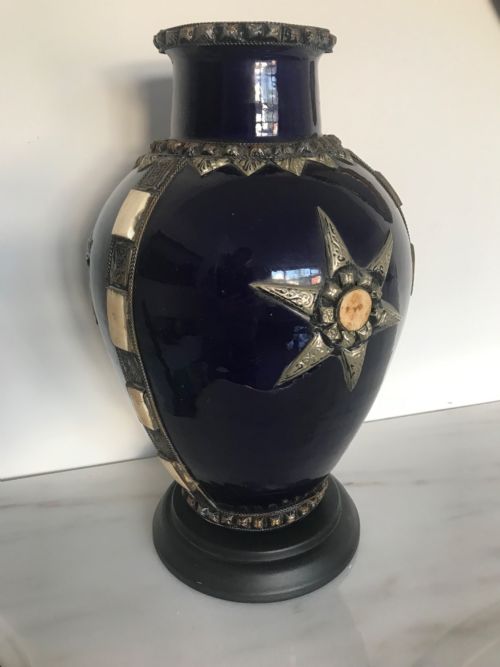
Makers from various traditions adopted blue glazes to highlight sculptural relief or intricate hand-painted motifs. You will find items ranging from simple utilitarian jugs to highly ornate cabinet vases adorned with metal mounts.
How they were made
Potters shaped these vessels on the wheel or pressed them into moulds using clay bodies such as earthenware, stoneware, or fine porcelain. The piece was then dried and often biscuit-fired before receiving its initial decoration and protective coat.
Makers applied glazes containing metallic oxides, most notably cobalt, which turned a vibrant blue upon undergoing high-temperature firing. Tin-opacified glazes were utilised in European faience and Delftware to create a smooth, opaque white background for blue underglaze painting.
Materials range from coarse terracotta and earthenware to refined porcelain, stoneware, and tin-glazed ceramics.
What varies in quality
The distinction between standard production wares and exceptional pieces rests upon the precision of the throwing and the depth of the glaze. Master potters achieved rich, even tones and controlled reactions in the kiln that lesser workshops missed.
Hand-painted decoration and modelled relief elements show notable variations in artistic skill. Crisp underglaze brushwork and finely detailed applied figures separate ordinary pots from cabinet pieces made by notable designers.
Royal Doulton·Moorcroft·Cantagalli·Théodore Deck·Fourmaintraux-Courquin·Lauder Pottery·Brannam
The Blue Glazed Vase Glossary
- Baluster
- A vessel form characterised by a swelling lower portion and a narrower neck, resembling an architectural baluster. This shape was favoured for large display pieces in Delftware and stoneware.
- Cobalt Glaze
- A vitreous coating coloured with cobalt oxide, producing hues from pale sky blue to deep royal and navy shades. It withstands high kiln temperatures without losing intensity.
- Stoneware
- A hard, dense pottery fired at high temperatures until vitrified and rendered completely impermeable to liquids. It often bears salt glazes or rich coloured slips.
- Tin-Glazed Earthenware
- Pottery coated in a lead glaze made opaque by the addition of tin oxide. This technique allowed potters to paint directly onto an absorbent white surface before the final glaze firing.
Blue Glazed Vase: Frequently Asked Questions
How do I clean an antique blue glazed vase?
Dust the surface gently with a soft, dry cloth to prevent the accumulation of grime.
Avoid immersing old earthenware or pieces with metal mounts in water, as moisture can penetrate hairline fractures in the glaze.
Can I put fresh flowers in these vases?
Most historic stoneware and glazed porcelain vessels hold water safely, but fragile earthenware and tin-glazed pieces run the risk of water seepage.
It is safer to use a discreet glass insert inside delicate antique vessels to protect the historic ceramic body.
How can I tell Delftware from other blue and white pottery?
Look at the base of the vessel, where the porous buff or reddish earthenware body is often visible beneath a white tin glaze.
Delftware typically displays a slightly softer glaze texture compared to the hard, vitrified body of porcelain or stoneware.
What is the difference between earthenware and stoneware vases?
Earthenware is fired at lower temperatures, leaving the ceramic body porous and relatively soft unless heavily glazed.
Stoneware is fired much hotter until the clay vitrifies, resulting in a heavy, non-porous material that rings when struck.