



Blue Glazed Pottery Jug
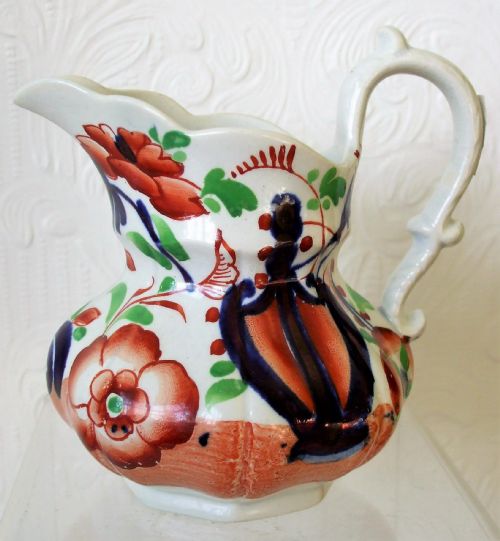
These pieces of blue glazed pottery jug span centuries of ceramic tradition, offering a striking display of colour and form.
Blue Glazed Pottery Jug
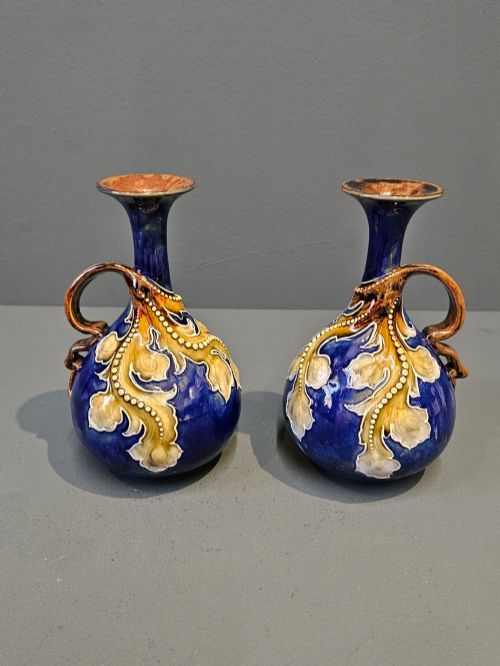
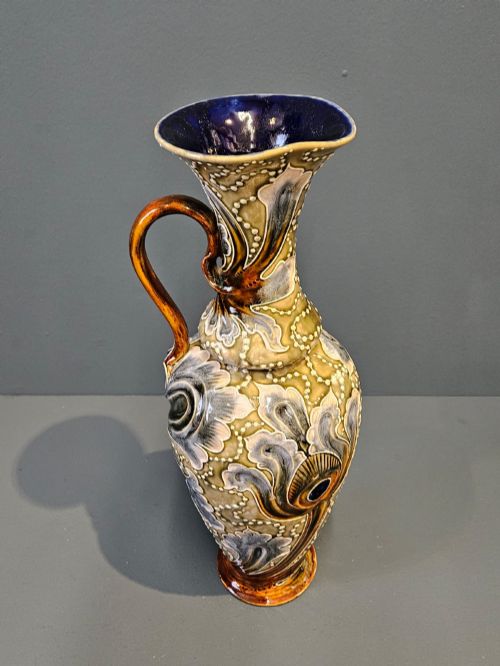
A blue glazed pottery jug brings functional history and decorative appeal into a room, serving as both a container and a centrepiece. When searching for a blue glazed pottery jug, buyers encounter everything from early salt-glazed German stonewares to intricate Victorian art pottery.
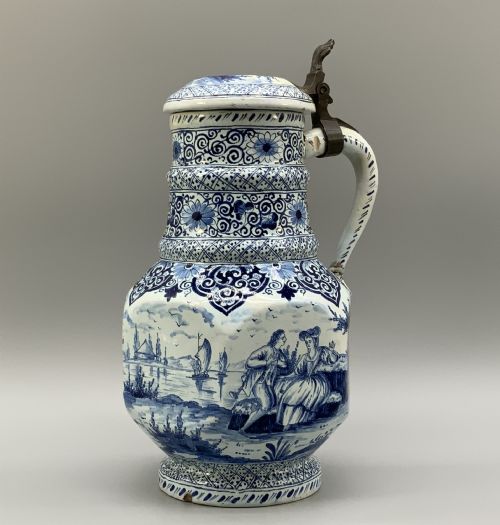
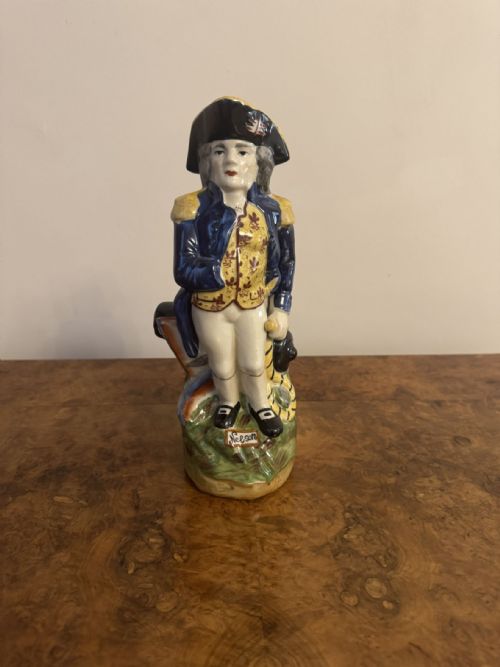
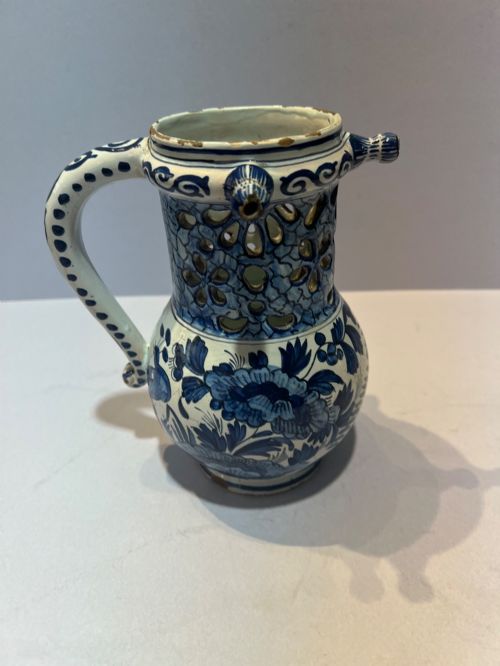
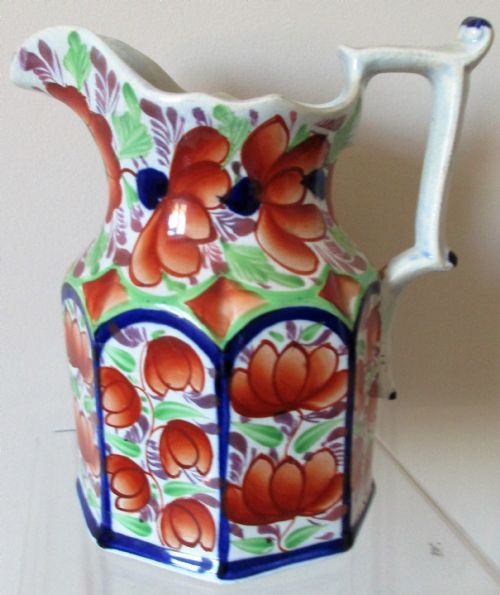
The selection here draws heavily on nineteenth-century British production alongside earlier Dutch delftware and continental examples. These vessels range from everyday pouring jugs and pitchers to characterful toby jugs and decorative ewers.
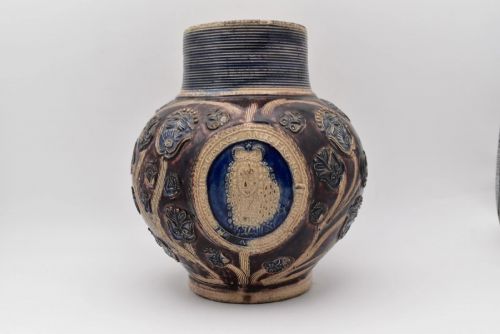
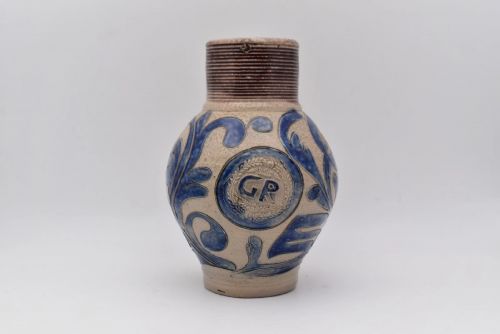
Earlier periods are represented by seventeenth and eighteenth-century pieces featuring tin-glazed earthenware and Westerwald stoneware. Later Victorian interpretations embrace Arts and Crafts philosophies and studio pottery movements.
Materials and construction methods
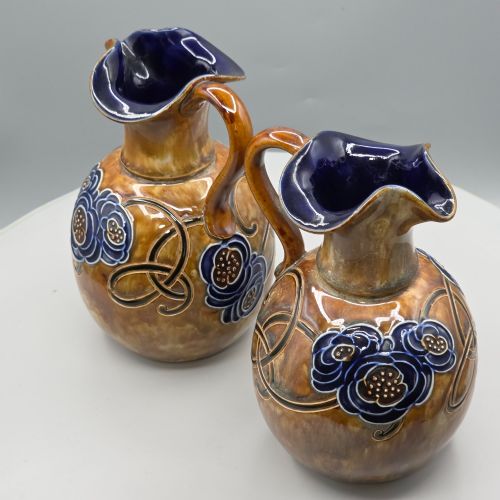
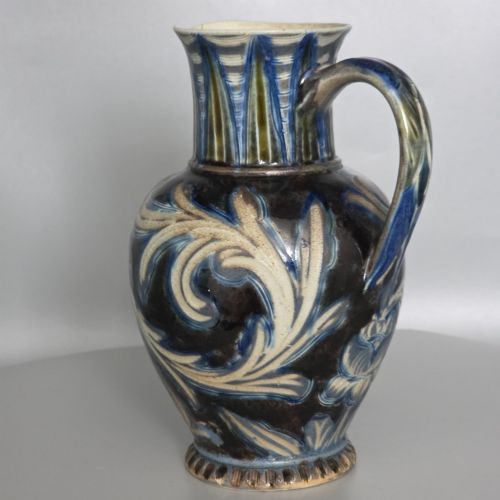
Potters shaped these vessels primarily from earthenware, stoneware, and ceramic bodies, utilising techniques suited to each specific clay. Stoneware pieces often received a salt glaze applied during the firing process, creating a characteristic orange-peel texture.
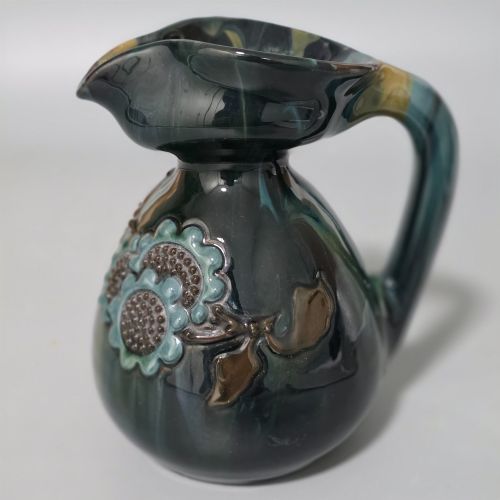
Tin-glazed earthenware required a opaque white glaze layer that accepted cobalt blue painting before a final kiln run. Studio and art pottery examples incorporated incised decorations, applied motifs, and specialised metallic or coloured glazes.
Some nineteenth-century potters immortalised Lord Nelson in ceramic form, ensuring stern naval heroes spend eternity doubling as beer pitchers.
Assessing quality and execution
Quality rests upon the crispness of the moulding, the depth and consistency of the blue glaze, and the precision of any hand-painted or incised detail. Earlier pieces derive distinction from the subtlety of their tin-glaze surfaces and hand-painted chinoiserie or floral motifs.
Later Victorian and studio pieces achieve merit through ambitious form, balanced proportions, and the confident handling of specialised glazes by notable makers. The distinction between standard domestic wares and higher expressions lies in the artistic ambition of the decoration and the mastery of the kiln.
Royal Doulton·Doulton Lambeth·Sir Edmund Elton·Pieter Verburg·Minton
The Blue Glazed Pottery Jug Glossary
- Salt glaze
- A glassy, slightly textured finish created by throwing common salt into the kiln during high-temperature firing.
- Tin-glazed earthenware
- Pottery coated with a glaze containing tin oxide to produce a white, opaque surface suitable for painting.
- Toby jug
- A pottery jug modelled in the form of a stout, jovial person, usually seated and holding a mug or mug and pipe.
- Stoneware
- A dense, vitreous pottery fired at high temperatures until the clay body itself becomes impermeable to liquids.
- Delftware
- Tin-glazed earthenware originating from the Netherlands or England, typically decorated with blue designs on a white background.
Blue Glazed Pottery Jug: Frequently Asked Questions
How do I clean an antique jug?
Dust gently with a soft, dry cloth to preserve fragile glazes and historical surfaces.
Avoid submerging older earthenware or pieces with repaired sections in water.
Are these jugs safe for daily use?
Most antique pieces function best as decorative objects rather than serving vessels due to potential hairline cracks or glaze degradation.
Display them securely away from high-traffic edges where accidental knocks might occur.
How do I identify salt glaze?
Look for a slightly pitted surface texture resembling an orange peel across the stoneware body.
This finish results from salt vaporising inside the kiln and reacting with the silica in the clay.