



Art Pottery Water Pitcher
An art pottery water pitcher brings tactile historic craftsmanship into daily use, offering hand-glazed surfaces and distinct period forms.
Art Pottery Water Pitcher
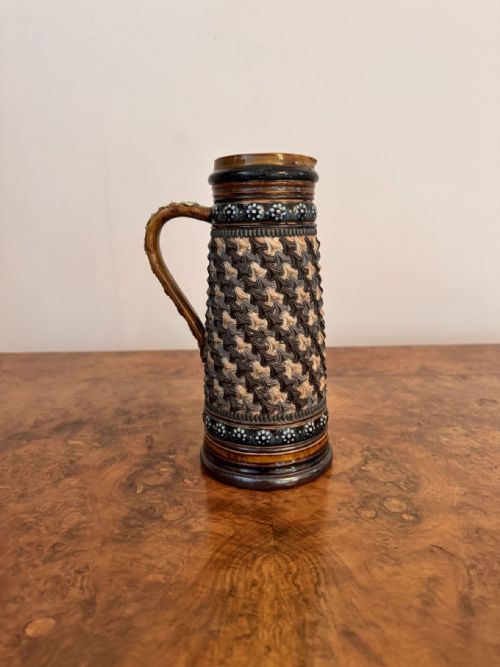
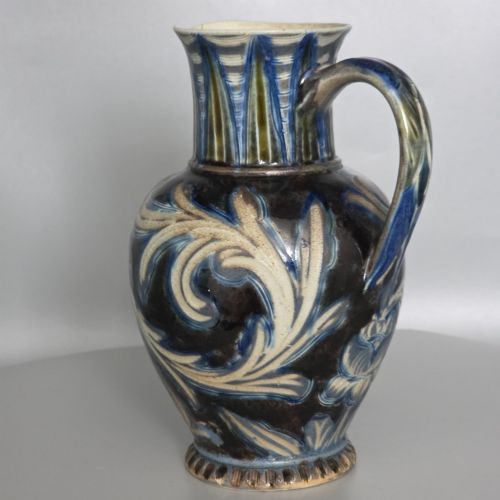
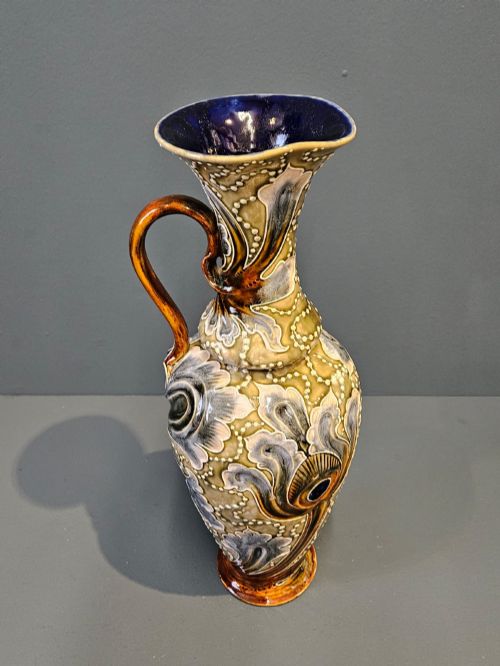
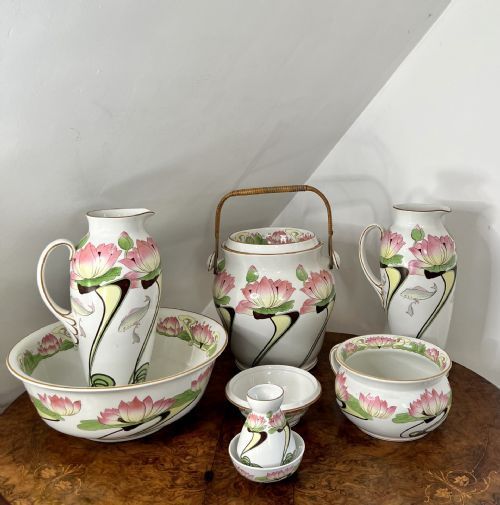
An art pottery water pitcher encompasses functional pouring vessels produced across the nineteenth and early twentieth centuries, featuring distinct decorative styles. The selection here leans towards robust Victorian stoneware jugs, decorative ewers, and patterned ceramic pitchers.
Makers shaped these water pitchers for practical utility and aesthetic display, resulting in forms ranging from heavy salt-glazed stoneware to painted earthenware. Examples span historical periods including Victorian and Edwardian eras, reflecting shifting design priorities from folk art to Arts and Crafts.
Materials and construction
Potters utilised durable materials such as stoneware, terracotta, and earthenware, shaping them into functional jugs and decorative ewers. Surfaces received specialised treatments including salt glaze applications and intricate incised decorations.
Manufacturing methods combined thrown or moulded ceramic bodies with hand-applied ornamentation, often finished with distinctive coloured glazes. The combination of dense clay bodies and specialised firing techniques ensured these pitchers could hold liquids securely while displaying rich surface textures.
Art Pottery Water Pitcher Retail Price Guide 2026
Typical asking prices for art pottery water pitcher among the pieces listed under this phrase on Sellingantiques today, from the lower quarter to the upper quarter. They describe what is for sale here now, not the wider market.
Some Victorian water jugs bear the sharp initial stamps of studio decorators who clearly took immense pride in their stoneware.
Assessing quality and execution
Superior examples demonstrate crisp execution in incised or painted ornamentation, showing the firm hand of skilled artisans rather than hurried production. The clarity of glaze application and the balance of the vessel form separate standard utilitarian pieces from exceptional decorative works.
Finer pitchers display deliberate attention to detail in handles, rims, and surface textures, maintaining structural integrity alongside artistic expression. The precision of stamped factory marks or distinct artist signatures further elevates the standing of an individual piece.
Doulton Lambeth·Emma Shute·Charlotte Rhead·Dr Christopher Dresser·Minton
The Art Pottery Water Pitcher Glossary
- Stoneware
- A dense, vitreous ceramic fired at high temperatures, making the body impermeable to liquids without requiring a glaze. It forms the robust structure of many nineteenth-century jugs.
- Salt glaze
- A surface treatment achieved by throwing common salt into the kiln during high-temperature firing, creating a distinctive textured, orange-peel finish on stoneware.
- Ewer
- A large pitcher with a wide spout and flared handle, traditionally used for holding water. These serve both decorative and functional purposes in historic wash sets.
- Earthenware
- Porous pottery fired at lower temperatures, typically glazed to ensure water retention. It provides a versatile base for colourful painted folk art and patterned vessels.
- Art Nouveau
- A design style characterised by organic, flowing lines and natural motifs, prevalent in pieces produced around the turn of the twentieth century.
Art Pottery Water Pitcher: Frequently Asked Questions
Can I use an antique water pitcher for everyday serving?
These historic vessels were originally built for practical utility, though modern use depends on the material integrity and interior glaze condition of each individual pitcher.
Stoneware and salt-glazed examples generally tolerate liquid well, but fragile earthenware or pieces with delicate painted surfaces require careful handling.
How do I date a nineteenth-century ceramic jug?
Dating relies on observing stylistic markers such as Victorian ornamentation, Art Nouveau curves, or specific Arts and Crafts motifs.
Maker stamps, incised monograms, and material composition also provide reliable chronological indicators when matching pieces to recorded workshop periods.
How should I display a decorative art pottery pitcher?
Display these vessels on stable surfaces away from high-traffic edges, allowing adequate light to highlight their surface glazes and textures. Grouping pitchers by material or period emphasises their diverse historic origins.