



Blue Glazed Jar
A blue glazed jar brings historical ceramic artistry into a room, offering both decorative presence and practical utility through centuries-old forms.
Blue Glazed Jar
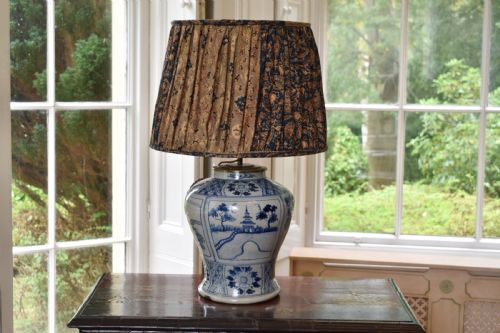
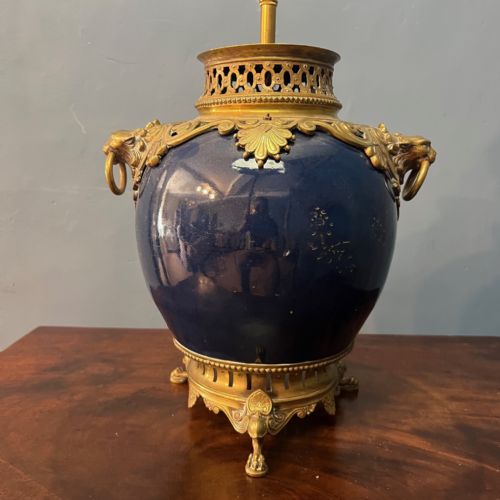
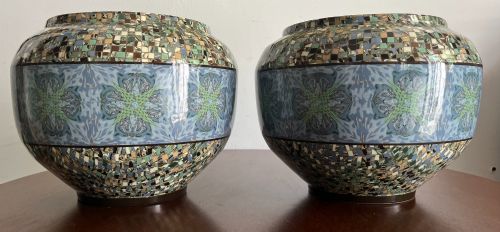
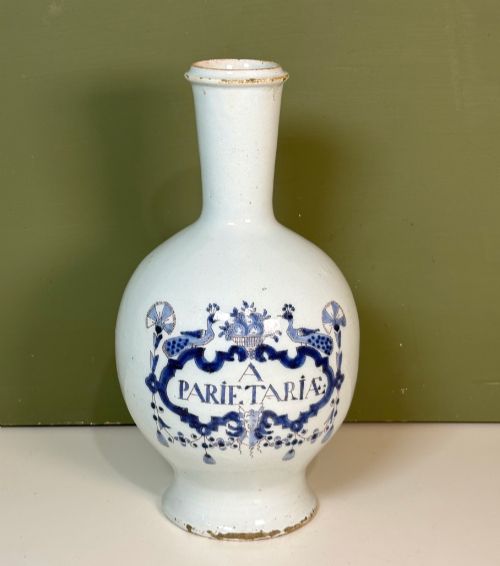
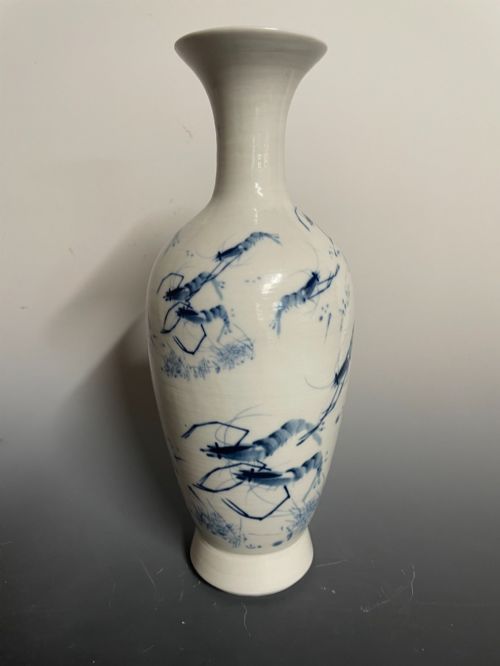
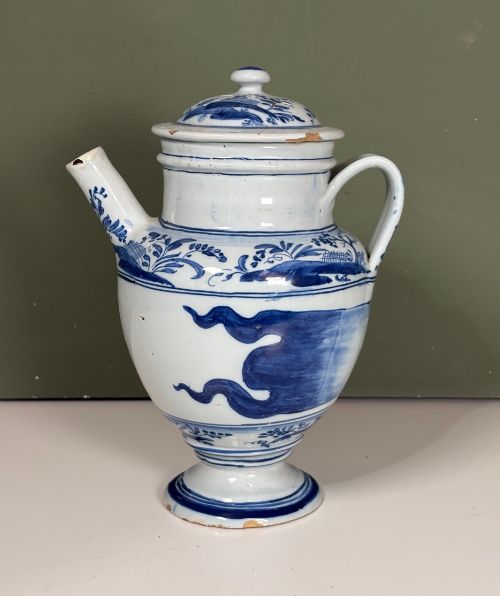
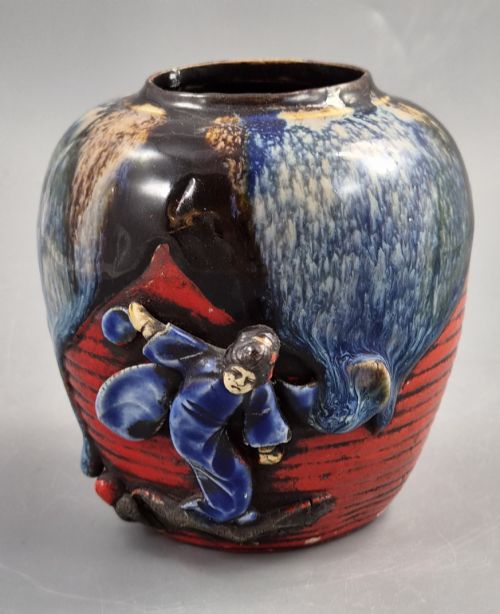
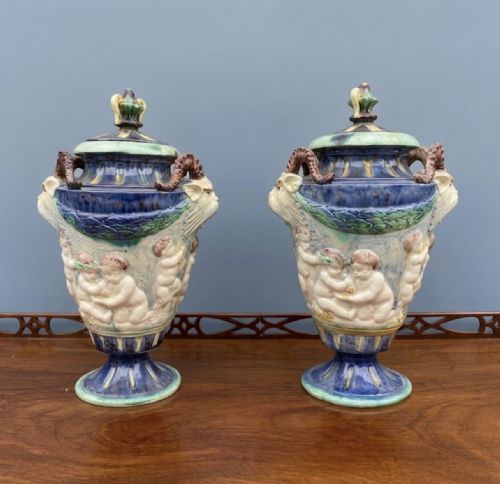
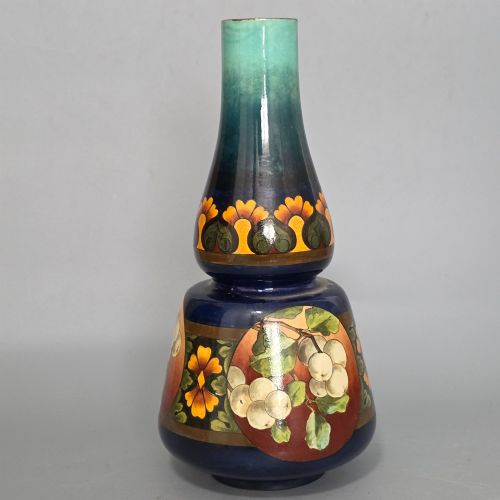
A blue glazed jar encompasses a wide variety of ceramic vessels originating from European, Asian, and Middle Eastern traditions. Buyers encounter apothecary jars, pharmacy wet drug jars, lidded baluster vases, and decorative containers spanning the seventeenth century through the early twentieth century.
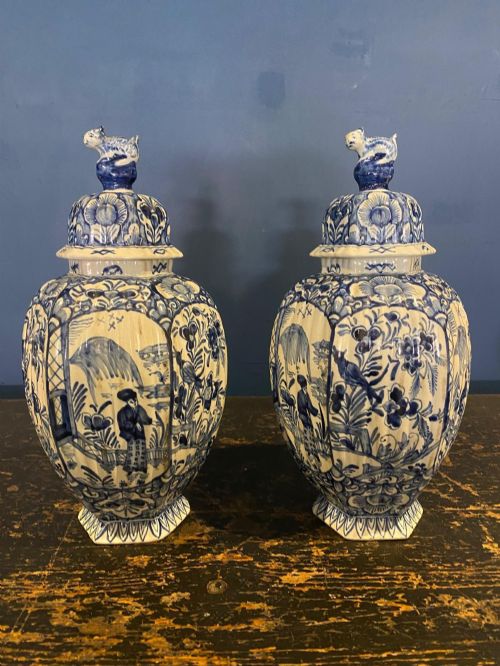
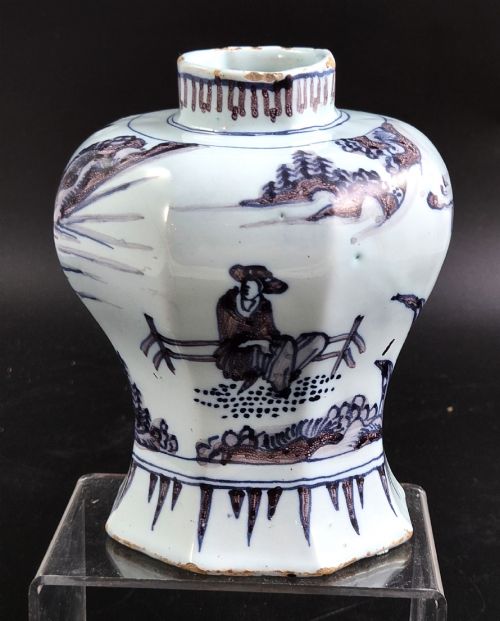
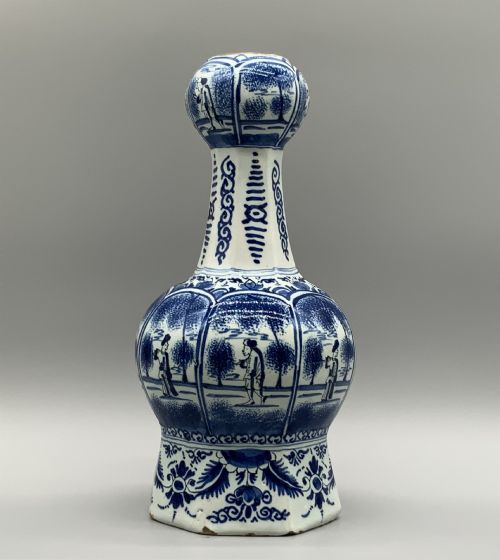
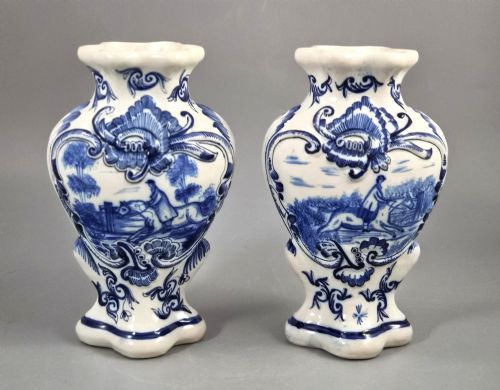
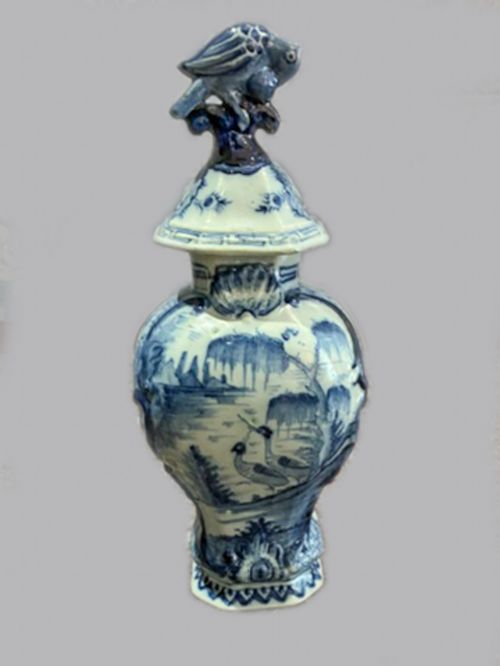
The selection on this page leans heavily towards Dutch Delftware, Italian majolica, and Chinese porcelain traditions. These pieces range from tall handled urns and chemist bottles to octagonal baluster vessels finished in cobalt and manganese tones.
Materials and construction
Potters utilised earthenware, ceramic, and porcelain bodies, applying tin glazes or opaque lead glazes to create a smooth surface for painting. Cobalt oxide provided the deep blue pigment, while manganese delivered dark purple and brown accents.
Makers shaped vessels on the potter's wheel or formed them within moulds, often adding pierced brass mounts, silver cabochons, or fitted lids. Firing took place in kilns where temperatures fixed the mineral pigments beneath clear or tinted topcoats.
Blue Glazed Jar Retail Price Guide 2026
Typical asking prices for blue glazed jar among the pieces listed under this phrase on Sellingantiques today, from the lower quarter to the upper quarter. They describe what is for sale here now, not the wider market.
Some pharmacy jars still bear Latin abbreviations for sticky herbal remedies inside.
Factors of distinction
Quality rests upon the crispness of the hand-painted decoration, the stability of the glaze, and the proportion of the form. Early pieces display fluid brushwork depicting botanical motifs, figures, and birds with confidence.
The depth of the cobalt colour and the complexity of the painted iconography distinguish master potteries from standard production wares. Condition of the glaze surface and originality of any matching lids also define the desirability of individual vessels.
Fourmaintraux-Courquin·Alice Euphemia Thatcher·Doulton Lambeth
The Blue Glazed Jar Glossary
- Tin-Glaze
- A ceramic glaze made opaque by the addition of tin oxide. It provides a white background suitable for painting in blue and other metallic oxides.
- Faience
- European tin-glazed earthenware produced in France, Italy, and other regions. The technique imitates the appearance of imported Chinese porcelain.
- Baluster Vase
- A vessel with a rounded body that tapers towards a narrow neck and flares at the base. The profile resembles an architectural baluster.
- Drug Jar
- A container labelled with medicinal contents or apothecary symbols. These vessels held dry or wet pharmaceutical preparations in historical dispensaries.
Blue Glazed Jar: Frequently Asked Questions
What were blue glazed jars used for?
Historical examples served primarily as pharmaceutical containers in apothecaries and dispensaries, holding dry herbs, wet medicines, syrups, and ointments.
Other forms functioned as decorative display pieces, tobacco jars, or domestic storage vessels for wealthy households.
How do I identify a seventeenth century jar?
Early pieces often display distinct tin glazes with characteristic crazing, heavier earthenware bodies, and hand-painted Chinoiserie or floral motifs in deep cobalt.
Form proportions and the specific style of pharmacy lettering or maker marks help narrow down the production period.
Are these jars waterproof?
Most historical glazed earthenware and porcelain jars hold liquids safely, though porous historical bodies require gentle handling.
Apothecary wet drug jars were specifically designed to contain liquids and syrups without leaking through the ceramic wall.
How should I display a lidded vase?
Place them on stable surfaces away from high-traffic edges, as lids and handles represent vulnerable points on antique ceramics.
Ensure adequate clearance so the painted details and glaze variations can be viewed from multiple angles under natural light.