

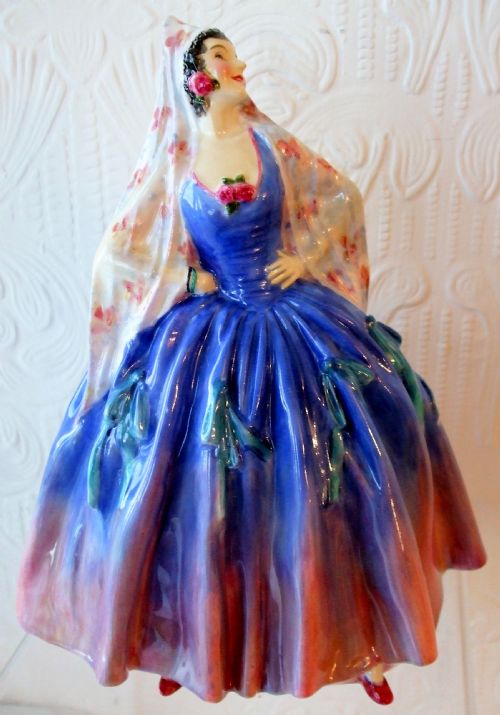


Blue Glazed Figurine
A blue glazed figurine brings tactile colour and historic character to a room, ranging from Staffordshire earthenware to Chinese porcelain.
Blue Glazed Figurine
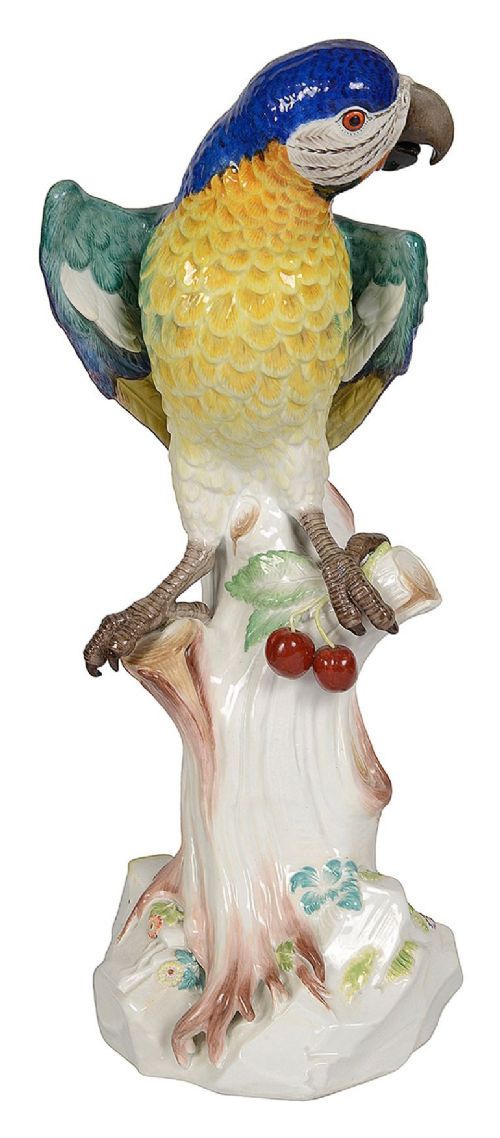
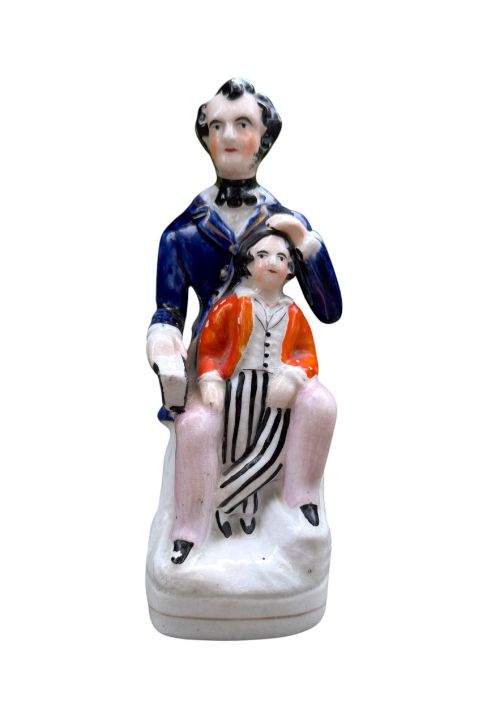
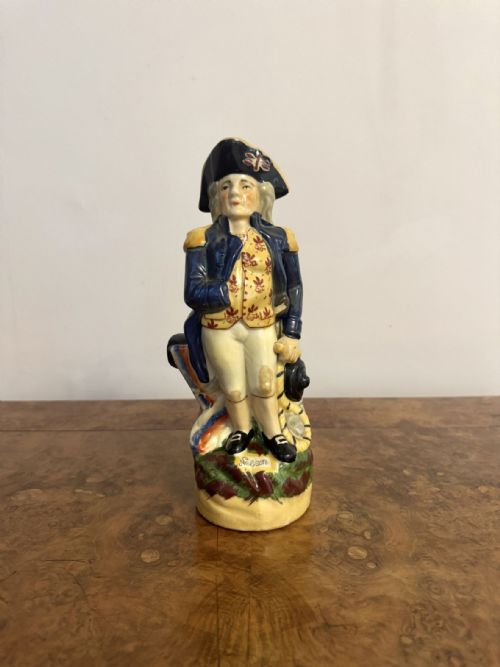
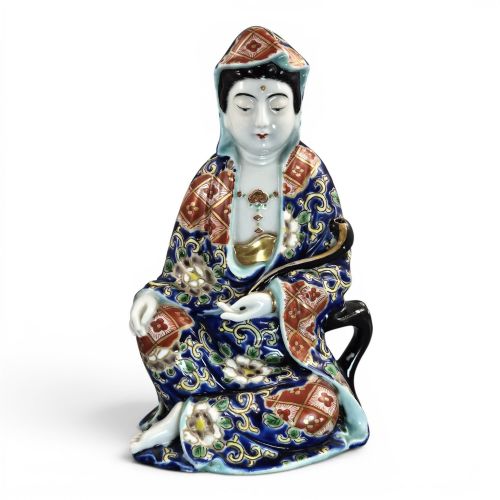
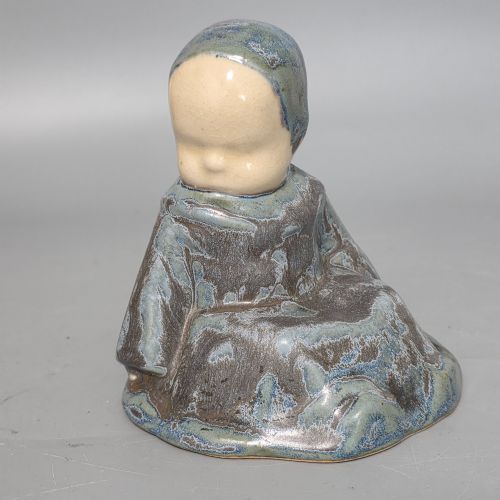
A blue glazed figurine captures human, animal, and mythological subjects across centuries of ceramic tradition. The pieces span Victorian Staffordshire earthenware portraits, continental porcelain groups, and Asian glazed ceramics.
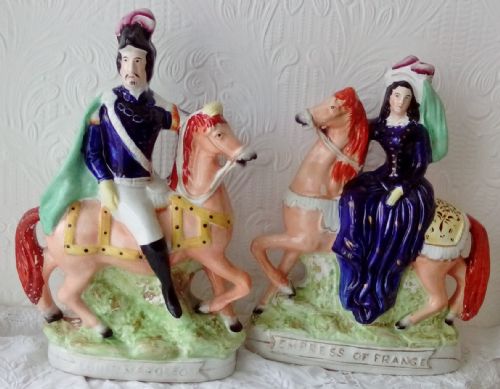
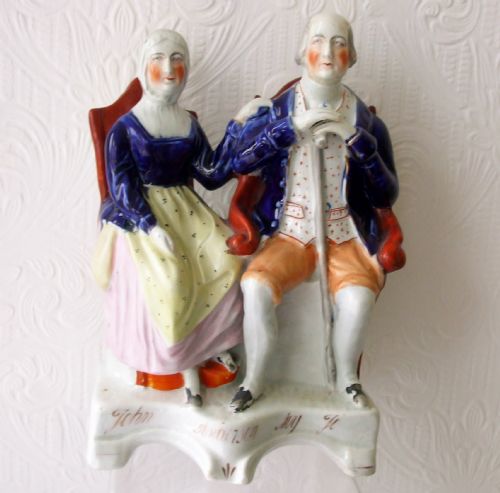
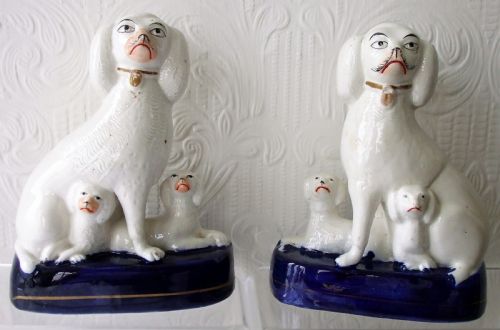
Most examples found in these listings belong to the nineteenth century, including flatback figures, Toby jugs, and animal pairs. Collectors encounter everything from Dutch Delft animals to Japanese Kutani deities.
Makers shaped these objects to serve as mantle ornaments, inkwells, quill holders, and powder boxes. The blue glaze unites diverse traditions, from deep cobalt washes to turquoise lead glazes.
Materials and construction methods
Potters shaped these figures from earthenware, stoneware, and porcelain, applying lead or tin glazes to seal the porous bodies. Cobalt oxides and turquoise pigments provided the characteristic blue colourants during firing.
Many nineteenth-century pieces relied on slip-casting or press-moulding in multiple parts before hand-painting and glazing. Enamel paint and gold leaf often decorated the surfaces after the initial glaze firing.
Dogs dominate the animal groups, with dalmatians, poodles, and greyhounds standing ready to guard any mantelpiece.
Indicators of distinction
The precision of the modelling and the clarity of the cobalt or turquoise glaze determine the visual impact of each piece. Crisp facial expressions and careful hand-painting separate standard production items from superior works.
Original paint retention and the preservation of delicate applied details, such as quill holders or floral elements, distinguish well-kept examples from heavily restored pieces.
Meissen·Berthe Savigny·Royal Doulton·Pieter Verburg·Royal Capodimonte Factory
The Blue Glazed Figurine Glossary
- Flatback
- A ceramic figure designed with an unglazed or minimally finished rear, intended to stand directly against a wall or mantle.
- Majolica
- A type of earthenware coated with an opaque tin glaze and painted with metallic oxide colours, producing rich green, brown, and blue tones.
- Toby jug
- A pottery jug modelled in the form of a stout, jovial person, usually wearing eighteenth-century attire and a tricorn hat.
- Spill vase
- A hollow vertical vessel attached to a figure, designed to hold wooden spills used for lighting candles or fires.
Blue Glazed Figurine: Frequently Asked Questions
What periods do these figurines come from?
The listings span from the eighteenth century through the Victorian era and into the Art Deco period of the nineteen-thirties.
Victorian Staffordshire works and nineteenth-century continental porcelains form the largest portion of the available material.
How were these figures used originally?
Many served purely as decorative mantel ornaments to display royalty, literary figures, or exotic animals in domestic parlours.
Others incorporated practical functions, such as inkwells, quill holders, watch-holders, and ceramic powder boxes for dressing tables.
Where were these glazed ceramics manufactured?
Production centres include English potteries in Staffordshire, French factories such as Sevres and Quimper, and German porcelain works.
Asian pieces originate from Japanese kilns in Arita and Kutani alongside Chinese imperial or provincial kilns.