



Republic Period Ceramics
Republic period ceramics bring together intricate hand-painted porcelain and traditional forms from the opening decades of the twentieth century.
Republic Period Ceramics
Republic period ceramics encompass a varied range of decorative and functional objects produced during the early twentieth century, drawing on centuries of Chinese ceramic tradition. When you search for republic period ceramics, you find pieces spanning from the late Qing transition through the 1950s.
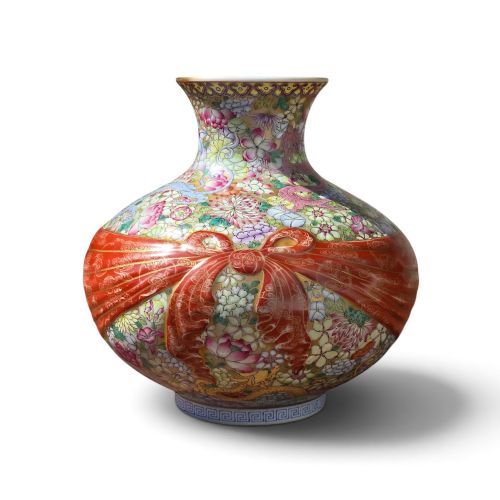
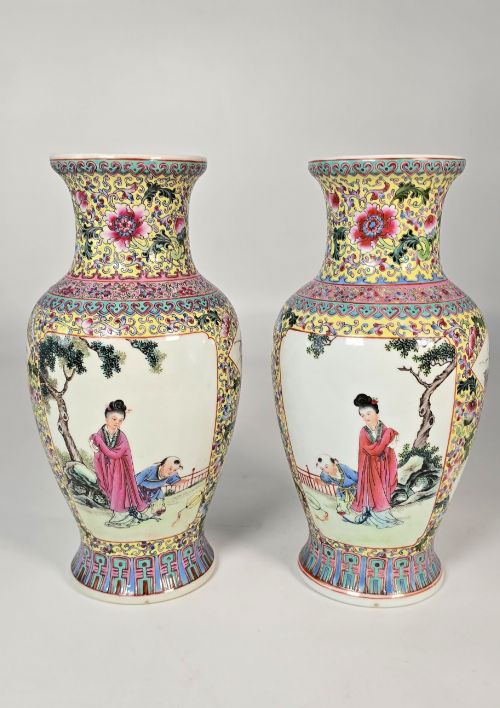
Many items reflect distinct stylistic categories, such as Chinese export designs, famille rose palettes, and turquoise glazed studies. Buyers encounter both single decorative objects and matched pairs suitable for interior display.
Materials and Techniques
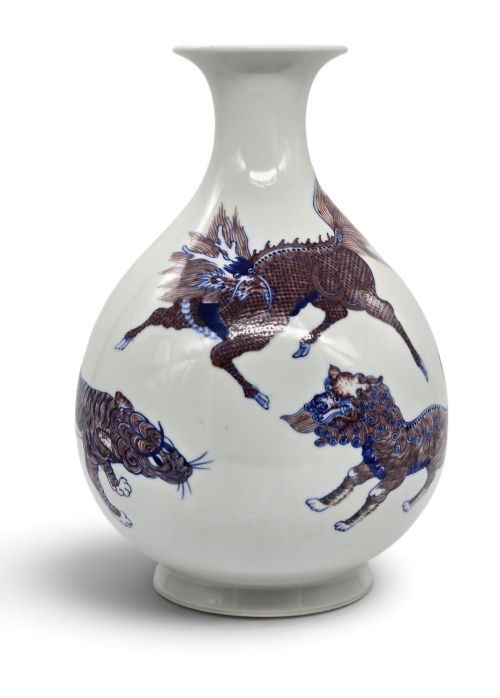
These pieces rely fundamentally on porcelain bodies finished with coloured enamels, underglaze blue, and copper-red pigments. Artisans applied hand-painted details ranging from delicate floral millefleurs patterns to complex mythological beasts and figural scenes.
Glazes play a significant role in the finish, utilising vibrant turquoise tones and metal accents alongside vitreous enamel. Additional elements like gold leaf, wicker cases, and fabric components occasionally complete the construction of specific teapots and lamps.
The documented periods span from the late nineteenth century through the 1950s, capturing the shift from late Qing to the Republic era.
Assessing Quality and Execution
Quality in these ceramics rests primarily on the precision of the hand-painted brushwork and the clarity of the underlying porcelain body. Superior examples display disciplined control over iron-red and famille rose enamel applications, creating sharp definitions on figures and floral motifs.
The sophistication of the form and the integrity of secondary materials, such as metal fittings or fitted wicker, further distinguish individual pieces. Signed works and well-preserved turquoise glazes demonstrate the elevated skill of the period workshops.
Zhu Mao Ji·Gao Hengsheng
The Republic Period Ceramics Glossary
- Famille rose
- A major palette of Chinese ceramic enamels featuring opaque pink or rose colours introduced in the Qing dynasty. This palette permits a wide tonal range for painting intricate figures and floral sprays.
- Millefleurs
- A decorative style translating to a thousand flowers, covering the ceramic surface in a dense blanket of blossoms. It requires immense patience and precision from the painter.
- Ginger jar
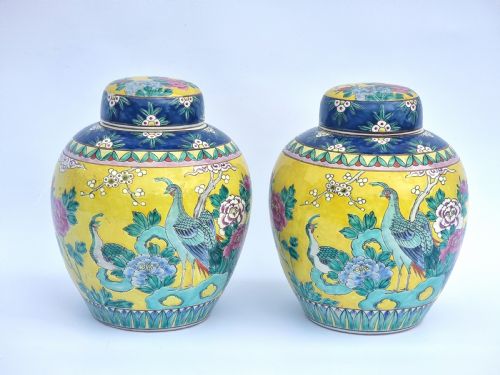
- A storage jar featuring a rounded body and broad shoulders, historically used for spices or porcelain preservation. These jars frequently appear with matching covers in decorative pairs.
- Underglaze blue
- A method of decorating porcelain with cobalt pigment beneath a transparent glaze before high-firing. This technique creates durable blue designs that resist fading over time.
- Turquoise glaze
- A lead-silicate glaze coloured with copper that produces a bright, uniform blue-green surface. It appears frequently on figural lamps and animal studies from the early twentieth century.
Republic Period Ceramics: Frequently Asked Questions
What subjects appear on these ceramics?
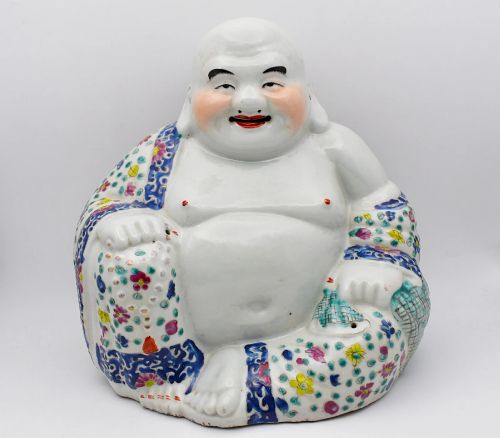
Common subjects include historical emperors, immortals, laughing Buddhas, mythical beasts, and detailed floral arrangements. These motifs carry traditional symbolic meanings rooted in Chinese culture.
Artists rendered these scenes across vases, wall plaques, and ginger jars using detailed brushwork and vibrant enamel palettes.
Are these ceramics painted by hand?
Yes, the decoration on these pieces involves careful hand-painted brushwork executed by skilled artisans. Artists utilised underglaze pigments and overglaze enamels to build up complex imagery.
This manual execution ensures that each vase, figure, or plaque possesses unique variations in line and tone.
How should I display porcelain plaques?
Porcelain plaques suit wall mounting or secure framing where their painted surfaces can receive adequate light. They offer a flat canvas for detailed figural and landscape compositions.
Ensuring stable support protects the ceramic body from accidental impacts while highlighting the artistry of the period.