
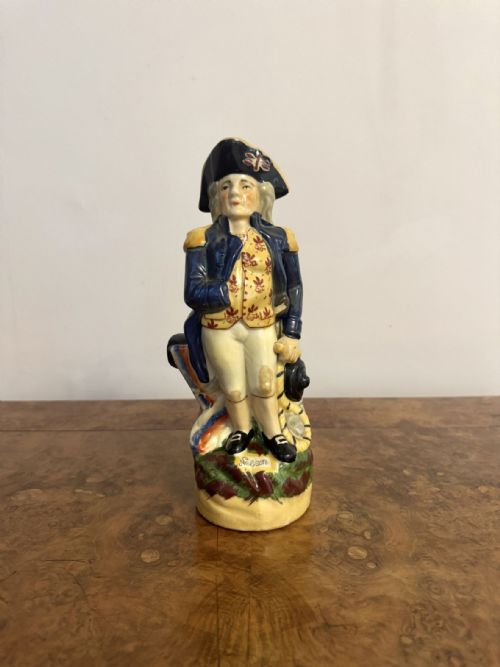
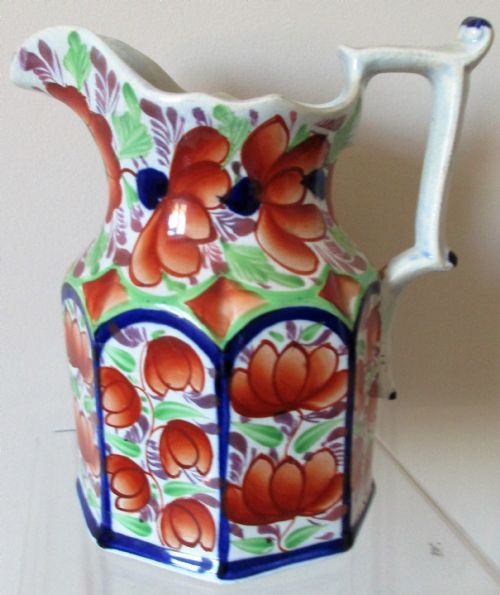
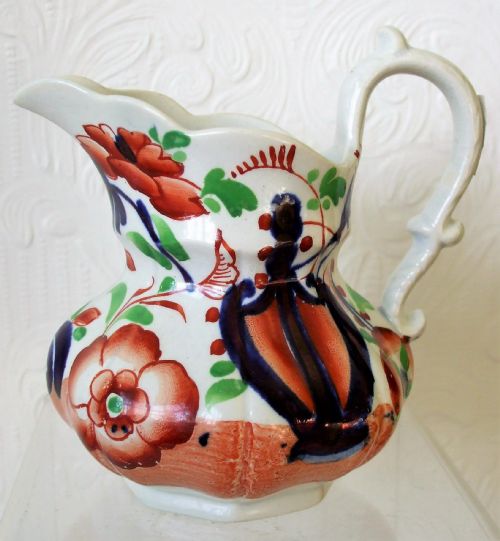


Blue Glazed Earthenware Pitcher
A blue glazed earthenware pitcher brings rich cobalt tones and historic pottery traditions directly to the table.
Blue Glazed Earthenware Pitcher
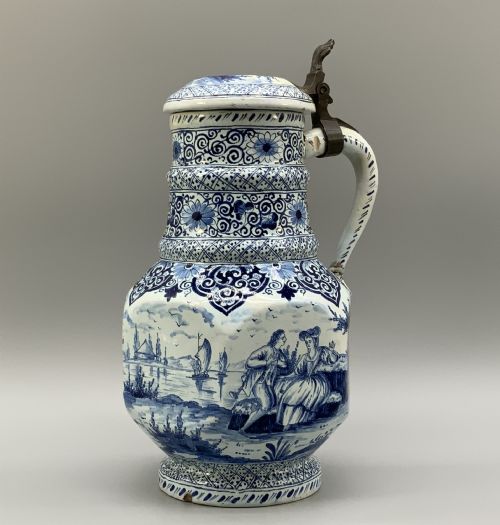
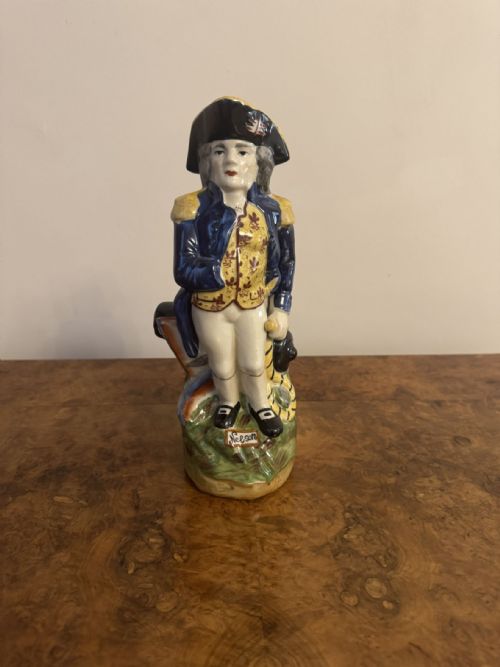
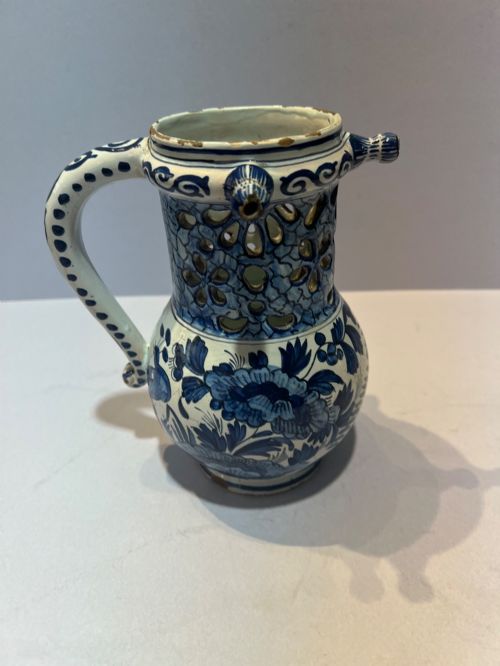
When you search for a blue glazed earthenware pitcher, you are looking at centuries of ceramic craft spanning Dutch Delftware, English Staffordshire pottery, and Victorian production. These vessels take forms ranging from utilitarian jugs and ewers to decorative Toby jugs, puzzle jugs, and wash sets.
The version you are most likely to meet on this page is a nineteenth-century Staffordshire or Victorian piece, alongside eighteenth-century Dutch and English examples decorated in blue and white. They combine practical hollowware forms with tin glaze, cobalt painting, or rich regional earthenware bodies.
Materials and methods
Potters shaped earthenware bodies on the wheel or pressed them into moulds before applying opaque tin glazes or translucent ceramic coatings. These surfaces accepted cobalt blue pigments readily, yielding deep washes and fine brushwork under the final gloss firing.
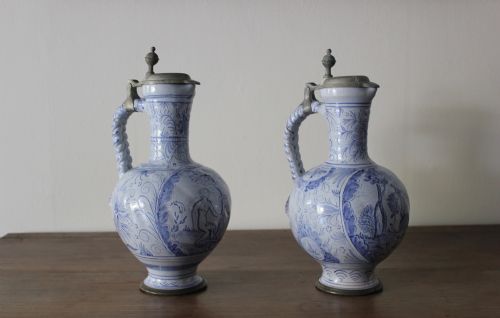
Some Dutch and English pieces incorporated cast pewter lids fitted to the ceramic rims, while other examples received moulded relief details such as figures, leaves, and architectural patterns prior to glazing.
Object forms include ewers, puzzle jugs, wash sets, salesman's sample plaques, and figural Toby jugs.
Evaluating quality and execution
Quality rests in the crispness of the moulded relief and the control of the blue pigment during firing. Superior pieces display steady brushwork, well-defined facial expressions on figural jugs, and even glaze coverage without excessive pooling or dry patches.
The handling of the clay body itself separates standard production from finer workshop output, evident in the thinness of the walls, the balance of the handle, and the precise fitting of any metal mounts.
Doulton Lambeth·Pieter Verburg·Sir Edmund Elton
The Blue Glazed Earthenware Pitcher Glossary
- Earthenware
- Porous pottery fired at lower temperatures than stoneware or porcelain. It requires a glaze to hold liquids effectively.
- Tin glaze
- An opaque white glaze containing tin oxide, used extensively on Delftware and majolica to create a smooth surface for painting in blue.
- Toby jug
- A pottery jug modelled in the form of a stout, cheerful person, usually seated and holding a mug or tankard.
- Delftware
- Tin-glazed earthenware produced in the Netherlands and England, traditionally decorated with blue pigments on a white ground.
- Ewer
- A large jug with a flared spout and curved handle, historically designed for pouring water rather than serving drinks.
Blue Glazed Earthenware Pitcher: Frequently Asked Questions
What is a blue glazed earthenware pitcher used for?
These vessels served historic domestic roles ranging from pouring liquids at the table to holding wash water in bedrooms. Many acted as display pieces or decorative ornaments in period interiors.
Figural examples, such as Toby jugs, combined utility with storytelling, often depicting historical figures or satirical characters popular in their day.
How do I distinguish eighteenth-century Dutch delft from nineteenth-century Staffordshire?
Eighteenth-century Dutch pieces often feature tin glazes with hand-painted cobalt chinoiserie or floral motifs on softer, lighter earthenware bodies. They may also include contemporary pewter lids.
Nineteenth-century Staffordshire output tends toward denser bodies, moulded relief details, and transfer-printed or brighter painted designs associated with Victorian domestic production.
Are these pitchers waterproof?
Most glazed earthenware pitchers are sufficiently sealed by their interior glaze to hold water for display or light use. However, historic glaze hairlines require careful handling.
It is wise to test pieces gently with cool water and avoid prolonged soaking to protect the porous earthenware body beneath.