


Blue Glass Dressing Table
A blue glass dressing table set brings colour to a room through scent bottles, powder boxes and vanity jars finished with silver.
Blue Glass Dressing Table
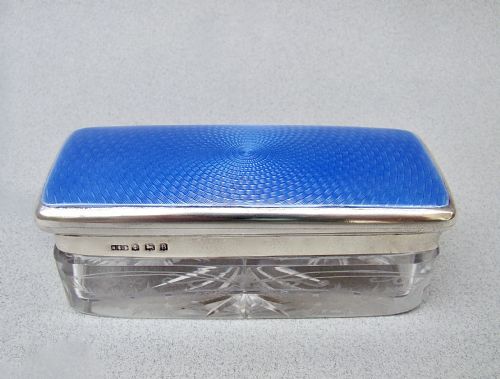
When you search for a blue glass dressing table item, you encounter functional objects designed for the vanity, from small scent bottles to lidded powder boxes. These pieces combine coloured glass vessels with metal mounts, often featuring sterling silver or enamel lids.
The selections span distinct periods, with Art Deco geometric designs and 1930s items appearing frequently alongside Victorian and 19th Century French examples. You will also find Edwardian pieces and occasional Regency or mid-century studio items.
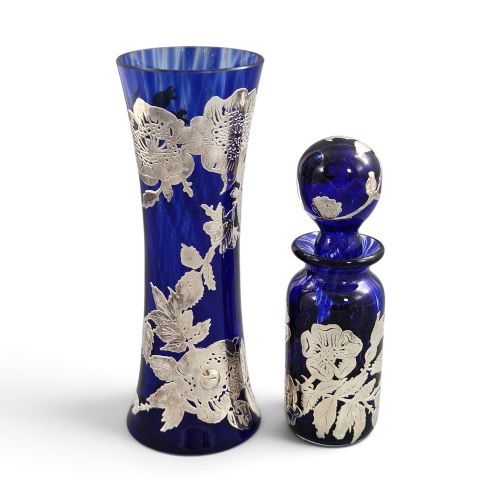
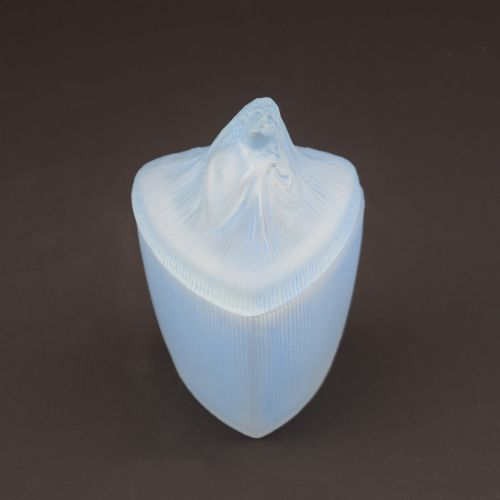
Vessels take many forms, including vanity jars, perfume bottles, dressing table jars, and decorative boxes. Some incorporate opalescent or frosted glass, while others show cut glass or silver overlay.
How they were made
Glass is blown or moulded into jars, bottles, and boxes, using deep cobalt, teal, or Bristol blue hues, alongside opalescent and frosted varieties. Manufacturers then apply surface treatments such as cut glass facets or silver deposit.
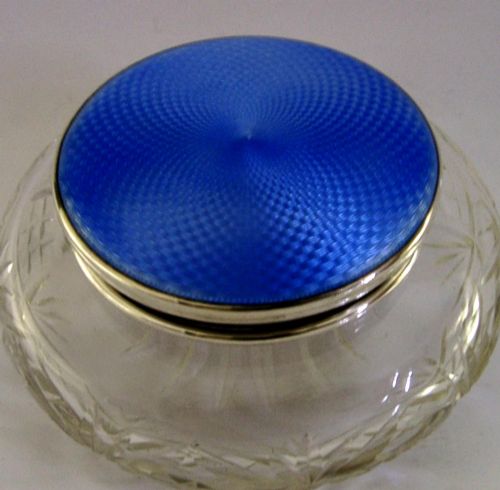
Metalwork forms an integral part of construction, with sterling silver, brass, and enamel used to create fitted lids, collars, and decorative overlays. Silversmiths often added guilloche enamel patterns to the metal tops of jars and scent bottles.
Listings feature items from the 19th Century, Victorian period, Regency era, and Art Deco 1930s, using glass, sterling silver, enamel, and brass.
What varies in quality
The standard of a piece depends on the crispness of the glass cutting and the depth of the blue colour, alongside the weight and purity of the silver mounts. Finer examples display detailed guilloche enamel work or intricate silver overlay securely fitted to the glass body.
Maker attribution also influences distinction, with signed French moulded glass or marked English silver lids indicating higher workshop standards. The harmony between the glass vessel and its metal fittings determines the overall success of the object.
Henry Clifford Davis·Rene Lalique·Jean Gille·Sabino·Mappin And Webb
The Blue Glass Dressing Table Glossary
- Guilloche enamel
- A decorative technique where an engraved metal surface is covered with translucent enamel. This method was widely used on Art Deco vanity jar lids.
- Silver deposit
- A chemical and electrical process that bonds sterling silver designs directly onto a glass surface. It appears on French and English dressing table pieces.
- Bristol blue
- A deep, intense shade of cobalt blue glass produced historically in England. It is commonly found on 19th Century vanity jars.
Blue Glass Dressing Table: Frequently Asked Questions
How do I clean the silver mounts?
Use a soft cloth and avoid getting polish onto the glass or enamel surfaces. Take care around engraved details on the metal.
Keep silver dry after cleaning to prevent tarnishing and protect the surrounding glass body from chemical residue.
Are these bottles safe for perfume?
Most historic scent bottles and vanity jars are intended for display or light use rather than daily wear. Older stoppers may not form an airtight seal.
Store valuable fragrance away from direct sunlight to preserve the integrity of both the liquid and the vintage glass.
How do I date an Art Deco piece?
Look for hallmarks on the sterling silver mounts, which indicate the assay office and year of manufacture. Stylistic cues like geometric enamel work also point to the 1920s and 1930s.
Moulded signatures on the glass base can help identify specific makers active during the period.
What is the difference between Bristol blue and cobalt?
Bristol blue is a traditional term for a deep, vibrant blue glass traditionally associated with 19th-century English production. Cobalt refers more broadly to the mineral used to achieve the blue coloration across various periods.
Both types appear frequently in vanity sets and perfume bottles from different eras.