
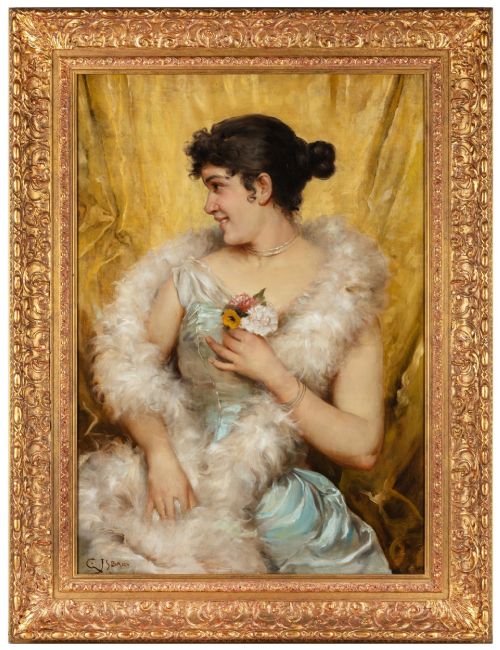

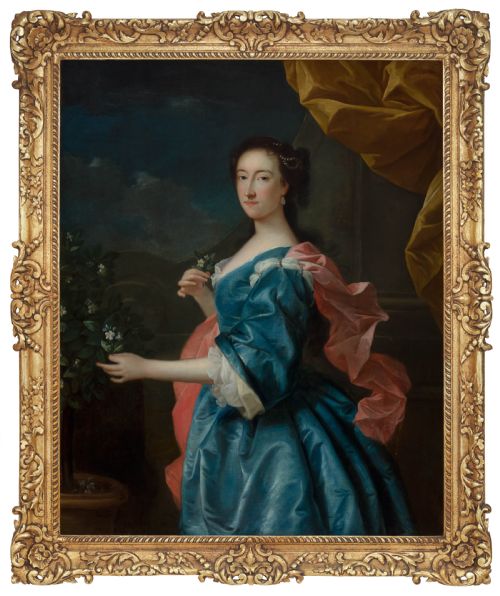
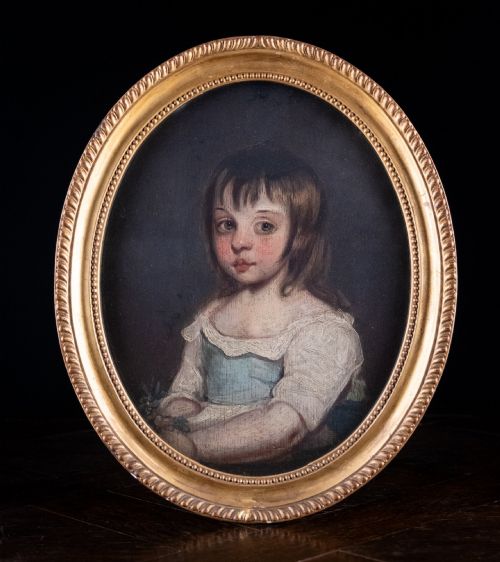
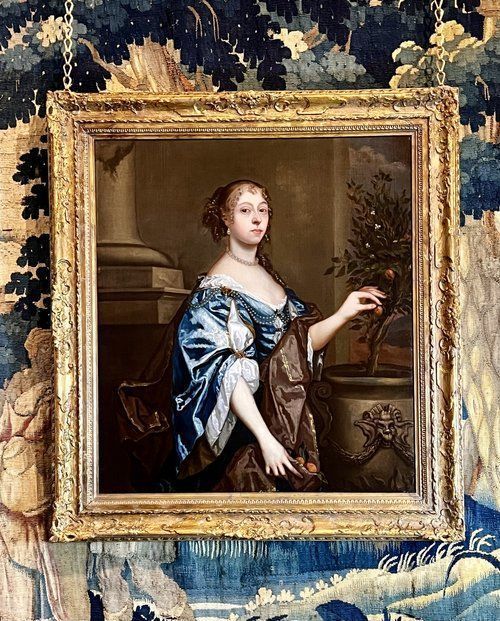

Blue Dress Painting
When you search for a blue dress painting, you are looking at historical portraits rendered in oil, watercolour, or pastel from the seventeenth century onwards.
Blue Dress Painting
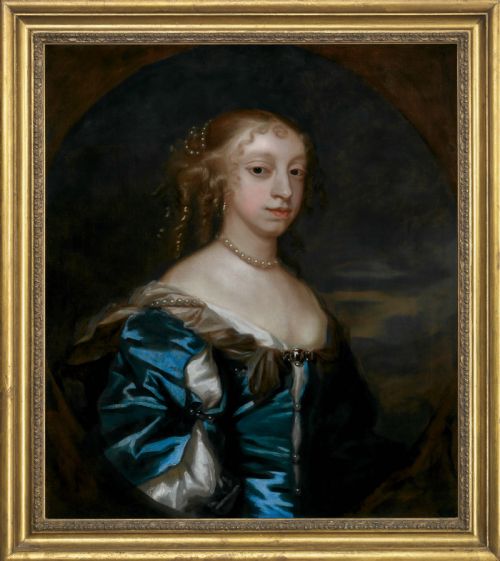
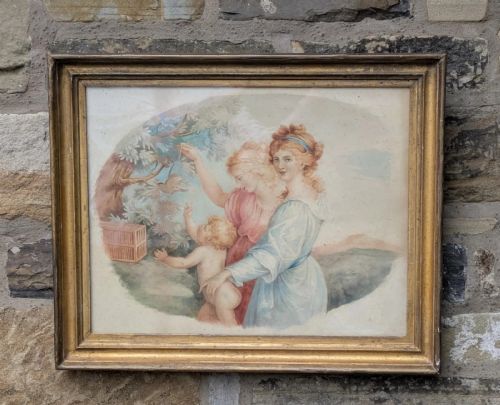
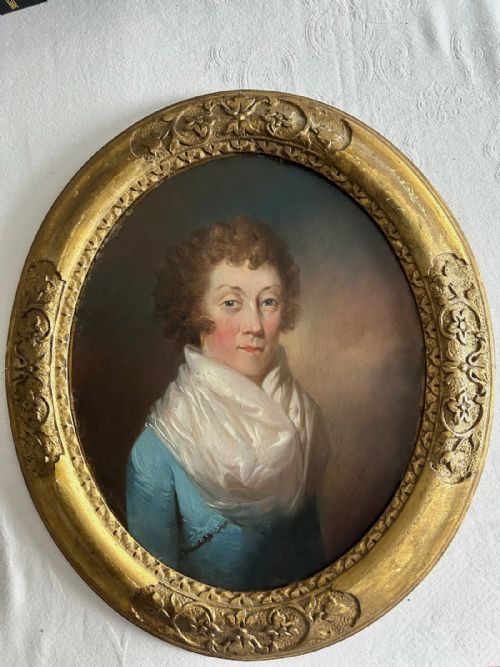
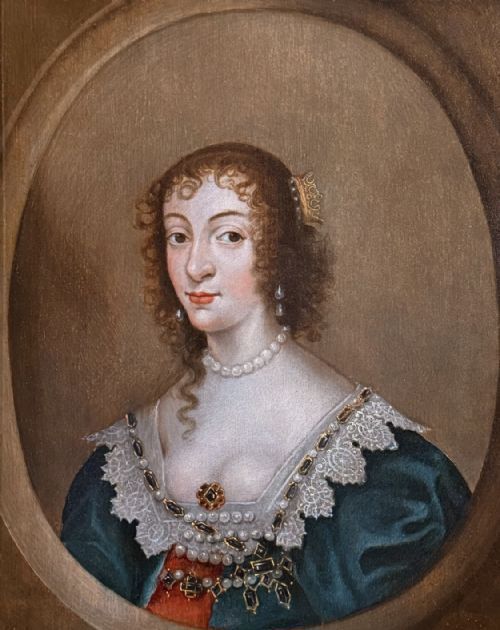
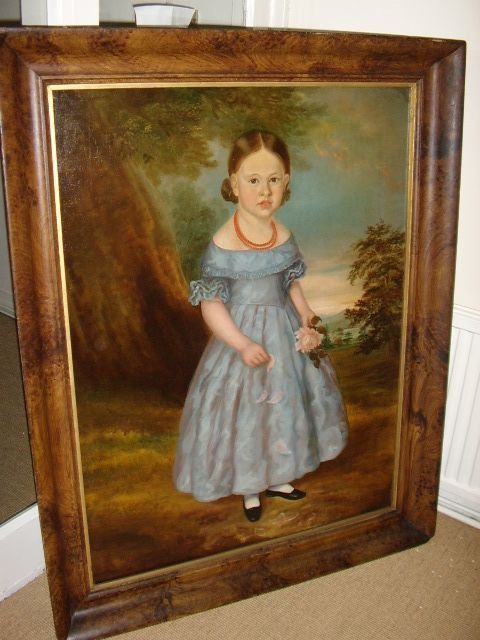
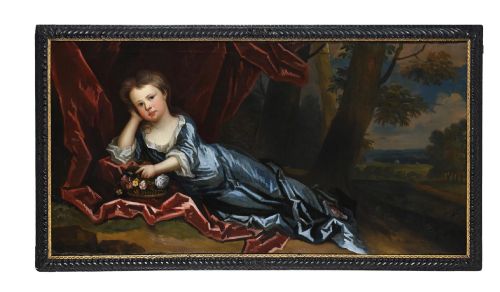
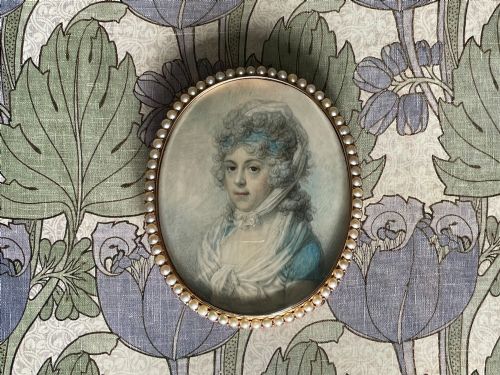
A blue dress painting captures historical subjects, most frequently elite women portrayed by period portraitists. These works range from seventeenth-century oil canvases to nineteenth-century watercolours and miniature paintings.
The selections encountered here span multiple centuries, including Georgian and Regency depictions alongside Edwardian examples. Subjects often feature silk gowns, velvet garments, or coloured mantles rendered in precise detail.
Compositions vary from grand oil paintings on canvas and panel to intimate portrait miniatures and works on paper. Many depict named sitters or members of landed families alongside anonymous subjects.
How They Were Made
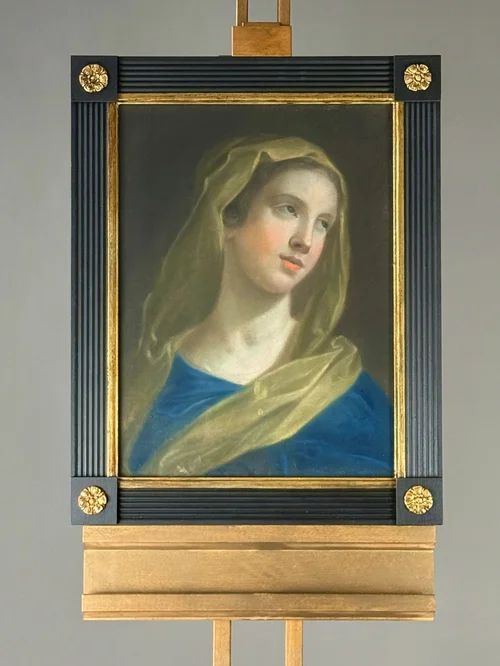
Artists relied on oil paint applied to stretched canvas, wooden panels, or zinc sheets, building up rich drapery through layered glazes. Watercolours and pastels were likewise employed on paper or prepared surfaces for smaller portrait studies.
Many historical works incorporated gold leaf within surrounding frames or decorative accents. Pigments captured the distinctive hues of blue fabrics, ranging from deep silk robes to subtle ribbon bows.
Several portraits showcase subjects posing alongside unexpected garden companions, including orange trees, blue chow dogs, and tethered ponies.
What Varies in Quality
The standard of a portrait depends heavily on the anatomical precision of the hands, face, and drapery folds executed by the artist or school. Master works demonstrate subtle control over light on fabric, whereas simpler pieces show stiffer, more naive execution.
Condition plays a role, with surviving original canvases, untouched surfaces, and period gilded frames retaining greater historical integrity than heavily restored examples.
Charles Jervas·Jeremiah Davison·Pieter Borsseler·Richard Cosway·Jacob Petit
The Blue Dress Painting Glossary
- Oil on Canvas
- A painting medium where pigments suspended in drying oils are applied to woven canvas fabric. This method allowed artists to achieve rich colour depth and smooth blending for fabrics.
- Portrait Miniature
- A small, highly detailed painting, often executed on vellum, card, or ivory during the eighteenth and nineteenth centuries. These intimate works were frequently housed in protective cases or frames.
- Watercolour
- A painting method using water-soluble pigments applied to paper. It was commonly utilised for lighter, delicate portrait studies and domestic scenes.
- Pastel
- A dry drawing medium composed of powdered pigment and a binder, formed into sticks. Artists used pastels on paper to create soft textures, particularly for skin tones and textiles.
- Gilded Frame
- A wooden framing structure coated with a thin layer of gold leaf or metallic powder. These frames often accompanied formal oil portraits from the seventeenth century onward.
Blue Dress Painting: Frequently Asked Questions
What periods do these paintings cover?
The available works span several centuries, starting from the seventeenth century through the Georgian, Regency, and Victorian eras up to the early twentieth century.
Earlier pieces typically feature aristocratic sitters in elaborate drapery, while later examples include intimate watercolours and detailed miniatures.
How were these portraits used historically?
Historical portraits served as personal records for families, commemorating marriages, social standing, or notable individuals within society.
Large oil canvases hung in country houses and estates, while smaller portrait miniatures were designed to be carried or kept in private domestic spaces.
How do I care for an antique painting?
Antique paintings require stable indoor environments away from direct sunlight, excessive moisture, and rapid temperature fluctuations to protect the canvas and paint layers.
Displaying them out of direct heat sources helps preserve both the original pigments and any accompanying gilded frames.