



Victorian Portrait Art
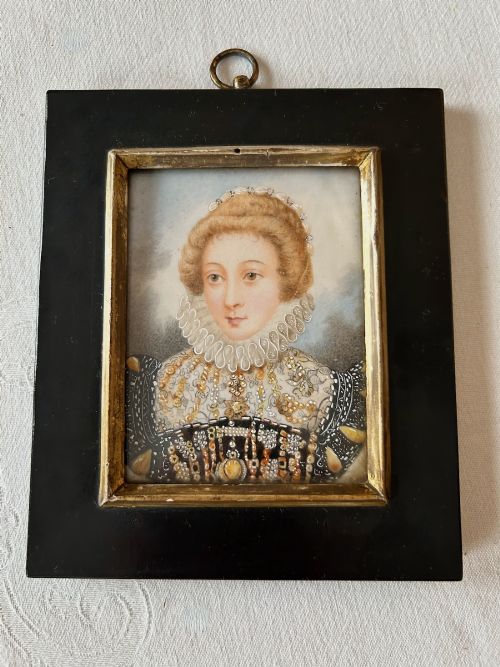
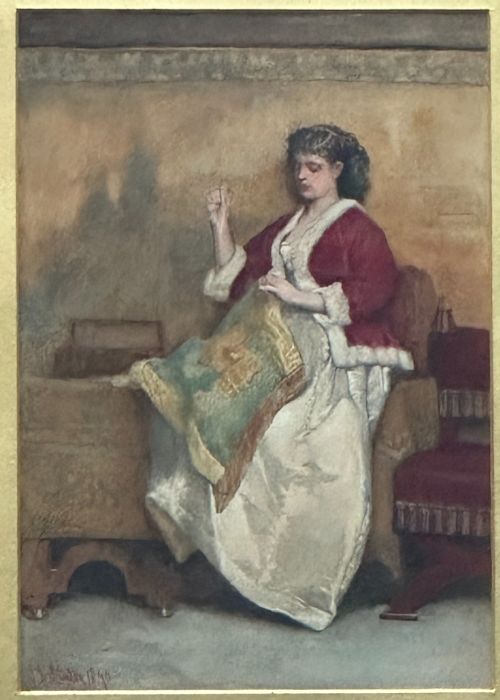
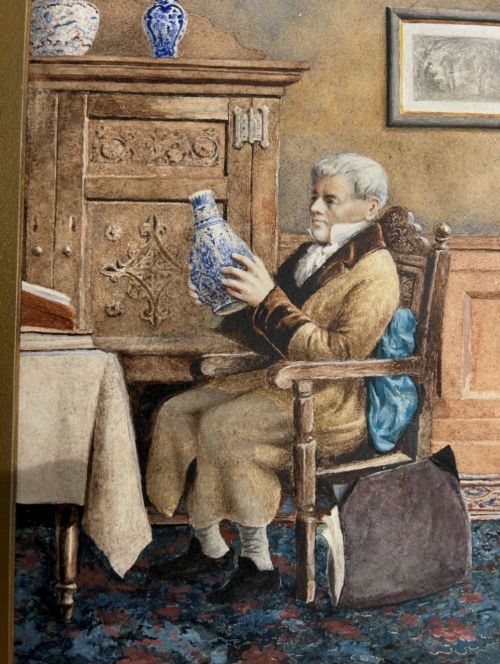
Victorian portrait art captures the likeness and character of people, animals and livestock through oil paint, watercolour, silhouette and pastel.
Victorian Portrait Art
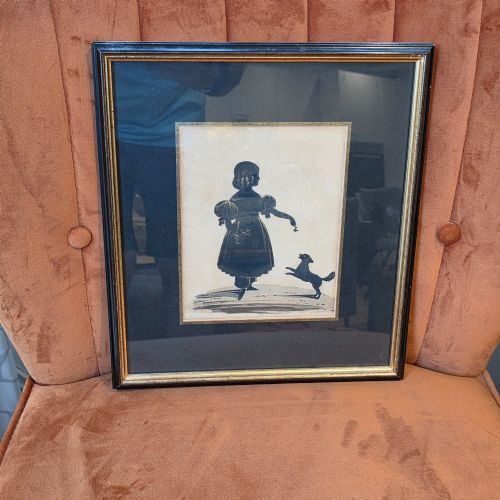
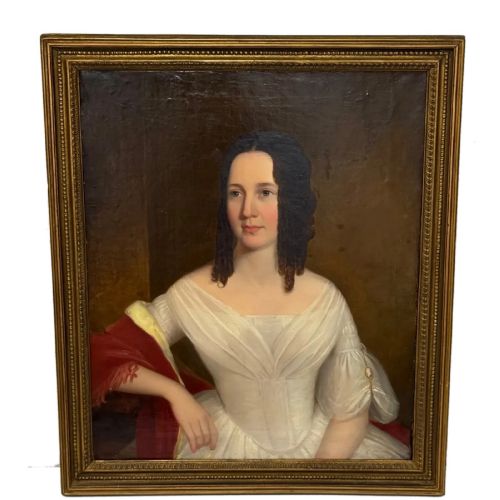
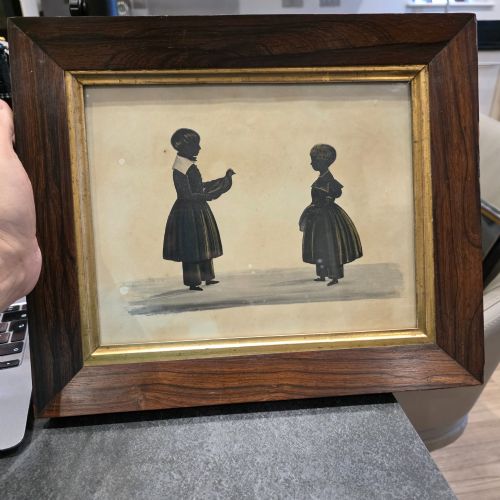
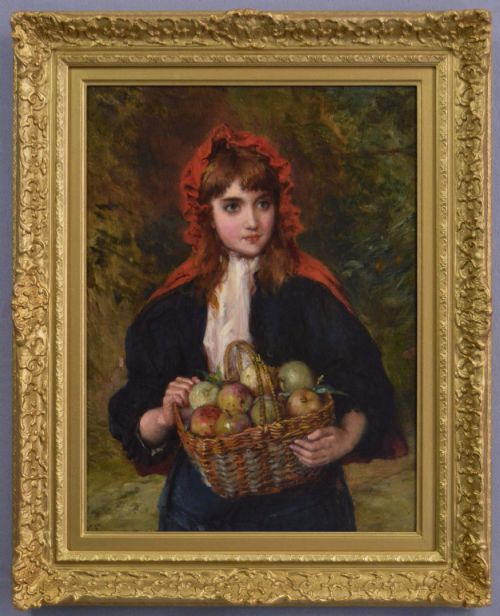
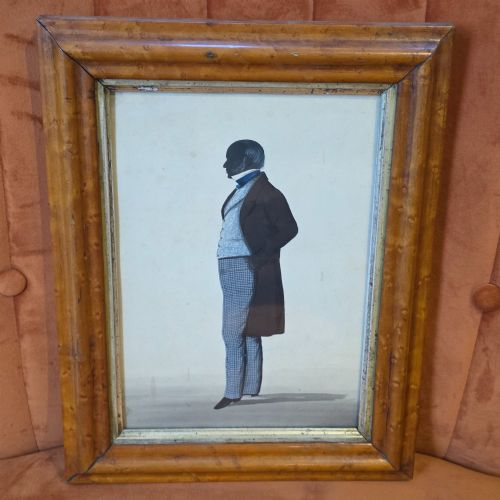
When you search for victorian portrait art, you encounter oil paintings on canvas and wood panel, alongside delicate watercolour paintings, pastel works and silhouette studies. The subjects range from formal depictions of architects, major-generals and actors to intimate studies of children, women with dogs, gentlemen smoking cigars and domestic pets.
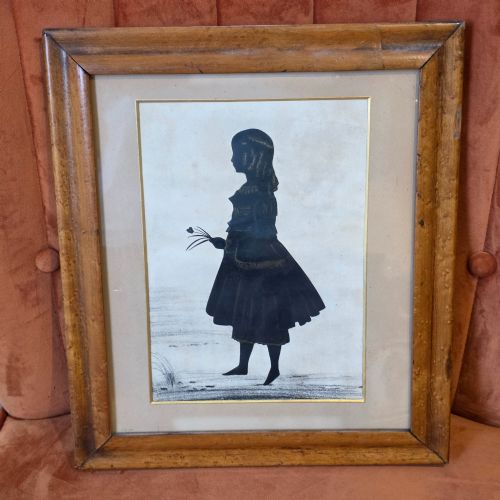
You are most likely to meet nineteenth-century oil portraits, framed cut-paper silhouettes and portrait miniatures in original giltwood or burr maple frames. The selection includes works by named academic artists, naive school painters and followers of historical portraitists.
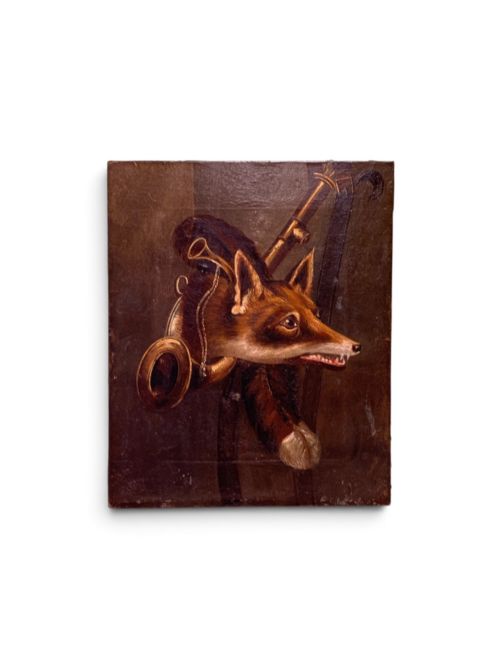
The category extends beyond human likenesses to encompass animal portraiture, including prized shorthorn bulls, racing pigeons, spaniels and cats. These varied forms reflect both the grand academic tradition and the domestic tastes of the Victorian era.
How they were made
Artists painted primarily in oil on stretched canvas or wood panels, utilising rich pigments and varnishes that deepened over time. Watercolours and pastels on paper were equally common, often protected beneath glass in decorative surrounds.
Silhouettes required meticulous hand-cutting of black paper, frequently enhanced with watercolour details, ink lines or gilding. Portrait miniatures involved fine brushwork on small ivory or paper supports, housed in protective gilt frames.
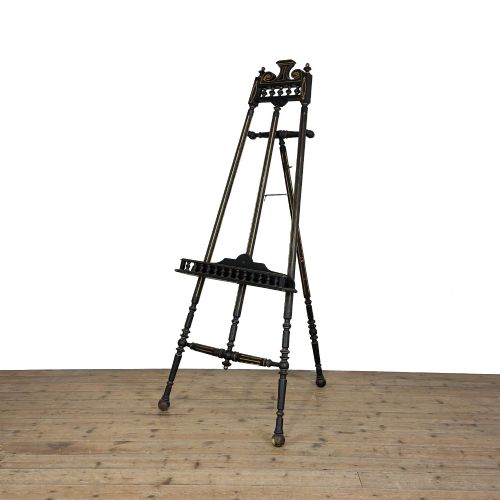
Framing played an integral role in presentation, utilising moulded gesso, giltwood, ebonised timber and burr maple. These surrounds were constructed to complement the scale and tonal qualities of the artwork within.
Surviving works span portrait miniatures, floor-standing easels and large-scale military and animal studies.
What varies in quality
The distinction between ordinary and exceptional works lies in the fluency of the brushwork and the psychological depth of the sitter. Superior pieces display confident handling of light, shadow and facial expression, whereas weaker examples remain stiff and formulaic.
Materials and preservation dictate value within the market. Original frames, untouched painted surfaces and signed works by established hands command greater attention than heavily restored canvases or anonymous mass-produced prints.
William James Hubard·William Oliver·Eugène Verboeckhoven·Henri Fradelle·Sir James Dromgole Linton·John Maler Collier·Henry Stacy Marks·William McAlpine·Frederick Morgans·Sir Thomas Lawrence·Vittorio Reggianini·Leon Sprinck·Samuel De Wilde·Gian Paolo Pace·Albert Clark·Josiah Gilbert
The Victorian Portrait Art Glossary
- Silhouette
- A solid black profile likeness, typically cut from paper or card. These works often include delicate watercolour highlights or pen detailing.
- Portrait Miniature
- A small, highly detailed painting executed on a reduced scale. They are frequently housed in protective gilt or leather-bound cases.
- Giltwood
- Timber that has been coated with a thin layer of gold leaf or metal powder. This finish is characteristic of period picture frames.
- Gesso
- A plaster-like mixture applied to wood frames before gilding. It provides a smooth base for intricate moulded decoration.
- Naive School
- Art created by self-taught painters lacking formal academic training. These pieces are distinguished by their charming perspective and direct observation.
Victorian Portrait Art: Frequently Asked Questions
What is victorian portrait art?
Victorian portrait art encompasses paintings, watercolours, pastels and silhouettes produced during the nineteenth century. These works record the likenesses of individuals, families and animals in diverse settings.
The category reflects academic traditions alongside domestic commissions, showing how people chose to present themselves and their possessions.
What subjects appear besides people?
Artists frequently painted domestic pets, horses and prize livestock alongside human subjects. Dogs, cats, racing pigeons and shorthorn bulls were recorded with the same seriousness as human sitters.
These animal portraits highlight the importance of prized possessions and companions in nineteenth-century households.
How do you date these works?
Dating relies on recorded signatures, dated inscriptions, exhibition labels and stylistic markers in clothing and hair. Frame styles also provide reliable clues to the period of production.
Comparison with documented works by artists like William Oliver or John Maler Collier helps narrow down the decade of creation.
Are frames original to the art?
Many pieces retain their original burr maple, giltwood or ebonised frames. Original framing is noted when present, as it preserves the historical context of the piece.
Matching the frame's construction techniques to the period of the artwork confirms whether they have remained together.