


Blue Chinoiserie Table Lamp
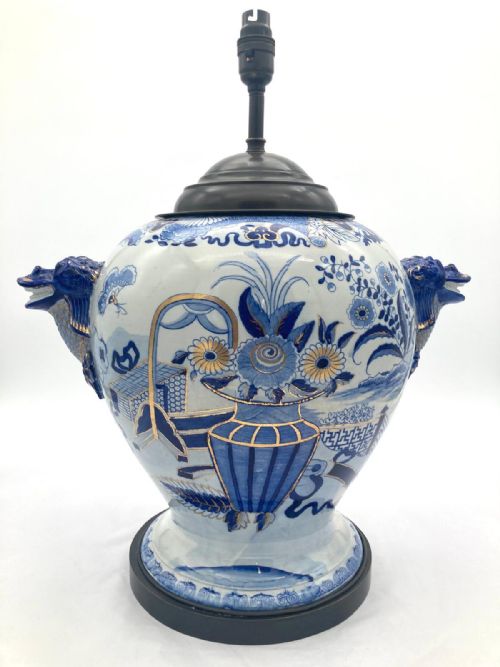
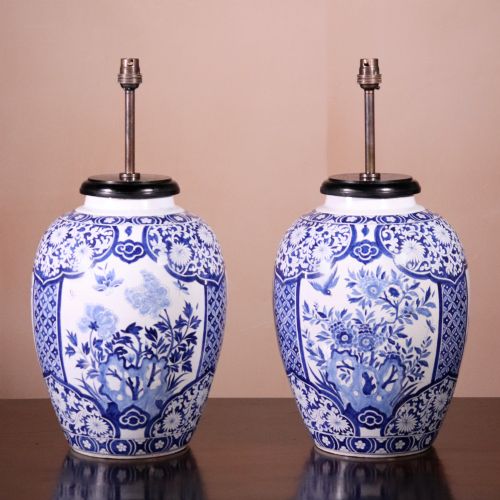
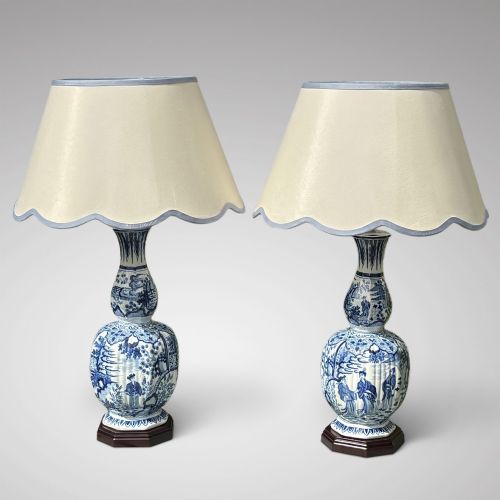
A blue chinoiserie table lamp brings historic hand-painted porcelain and earthenware into a room with striking visual depth.
Blue Chinoiserie Table Lamp
A blue chinoiserie table lamp transforms antique vessels into functional lighting through careful conversion. Buyers hunting for these pieces encounter diverse ceramic forms, including ginger jars, baluster vases, and monumental jars.
The aesthetic bridges East Asian export porcelain with European decorative movements. The selection on this page spans eighteenth-century Delftware alongside nineteenth-century Chinese and Japanese porcelain.
Many examples arrive paired with handmade shades and mounted on gilt bronze or brass bases. Regency, Victorian, and Edwardian interpretations sit alongside earlier periods.
Vessels take new form as lamps while retaining their original hand-painted blue and white or turquoise glaze character. Collectors find both single statement pieces and matched pairs.
Materials and Construction
Makers utilised high-fired porcelain, earthenware, and ironstone for the body of each lamp. Artisans applied rich cobalt blue pigments beneath transparent glazes before firing.
Metal mounts in brass, ormolu, and gilt bronze elevate the ceramic bodies. Silk and fabric shades complete the construction, often handmade to complement the proportions of the base.
Some nineteenth-century jars spent decades holding ginger before trading spices for copper wire and silk.
Factors Defining Quality
Quality rests upon the crispness of the hand-painted cobalt decoration and the integrity of the underlying ceramic body. Earlier eighteenth-century pieces display superior depth in the blue pigment.
The quality of the metal mounts and the harmony of the shade proportions elevate certain lamps above standard conversions. Fine Ormolu work and substantial brass casting distinguish the top tier.
Hicks and Meigh
The Blue Chinoiserie Table Lamp Glossary
- Chinoiserie
- European artistic interpretation of Chinese and East Asian artistic traditions. This style heavily influenced eighteenth and nineteenth-century decorative arts.
- Delftware
- Tin-glazed earthenware produced in Dutch and English potteries. These pieces imitate the appearance of imported blue and white Chinese porcelain.
- Baluster
- A vase or lamp body with a rounded swelling lower portion and a narrow neck. This classic silhouette appears frequently among antique porcelain conversions.
- Ormolu
- Finely ground high-carat gold cast onto bronze mounts. Artisans utilised this technique to accent the base and neck of luxury ceramic lamps.
- Imari
- Japanese export porcelain decorated in underglaze blue and iron-red with gilt highlights. Arita kilns produced these vibrant wares for international markets.
Blue Chinoiserie Table Lamp: Frequently Asked Questions
How do I date a lamp?
Examine the ceramic body, glaze characteristics, and any metal mounts for period markers. Eighteenth-century pieces differ noticeably in weight and pigment application from Edwardian or later examples.
Look closely at the style of the base and the wiring setup for secondary clues. Conversion methods and mount designs shifted across the Regency and Victorian eras.
Are these converted antique vases?
Many examples began life as decorative ginger jars, baluster vases, or temple jars. Artisans later converted these ceramic vessels into functional table lighting.
Conversion often involves mounting the porcelain onto brass or gilt bronze bases. The original decorative form remains largely intact despite the added electrical fittings.
How do I style a pair?
Matched pairs work exceptionally well on large sideboards, mantelpieces, or bedside tables. Their symmetrical presence anchors a room's interior design.
Ensure the handmade shades share similar proportions to maintain visual balance. Positioning them where natural light catches the blue glaze enhances their depth.
Can I replace the shade?
Replacing the shade allows you to adjust the lighting effect and colour palette within your space. Handmade fabric and silk shades pair naturally with these historic ceramic bases.
Consider the scale of the vase body when selecting a replacement shade. The proportions must remain balanced between the ceramic base and the textile top.