
Blue Ceramic Fruit Bowl
These pieces known as a blue ceramic fruit bowl bring historical glaze and form to the table, spanning centuries of global pottery.

Blue Ceramic Fruit Bowl
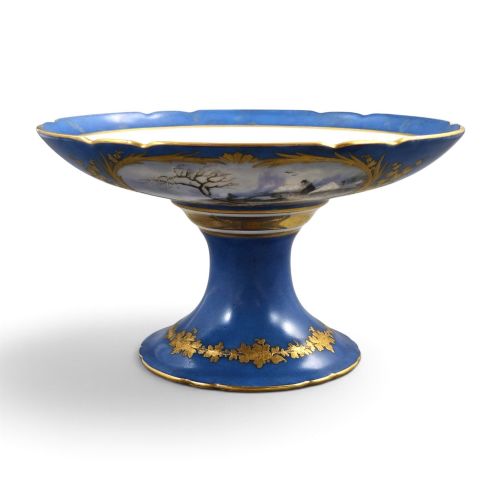
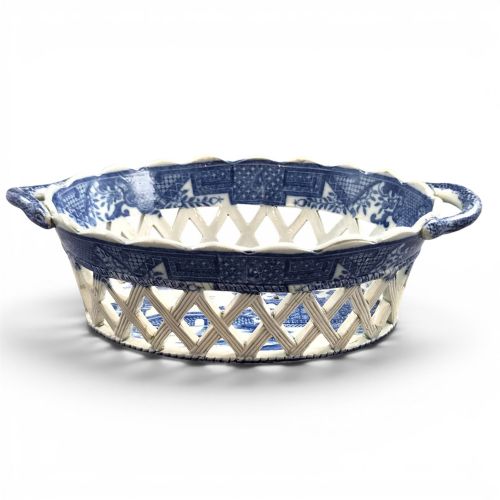
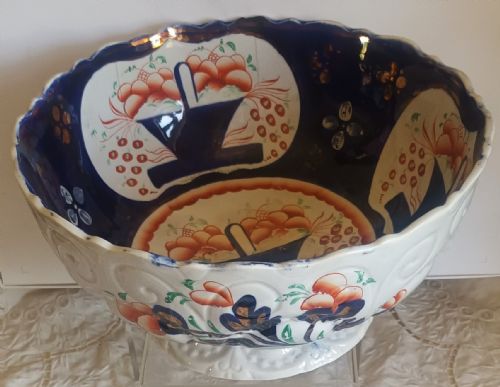
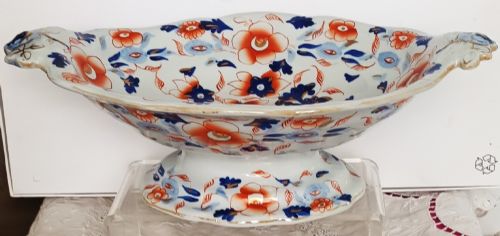
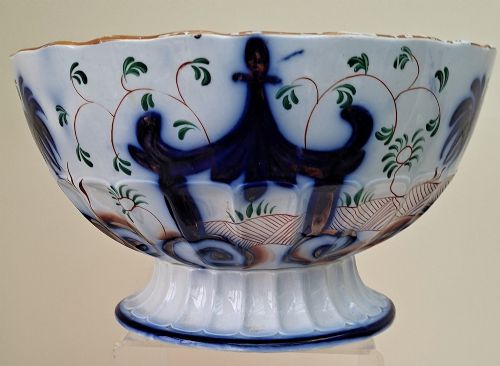
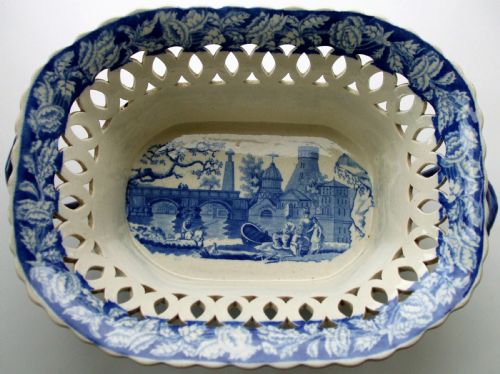
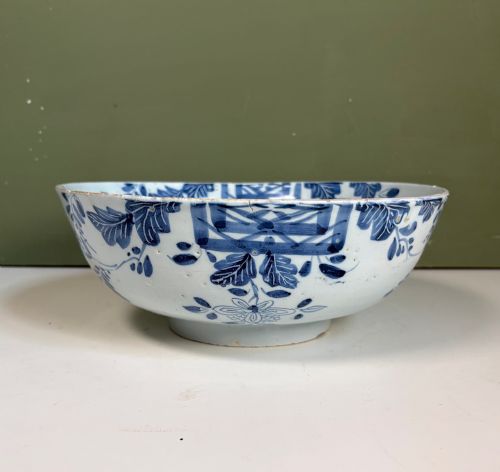
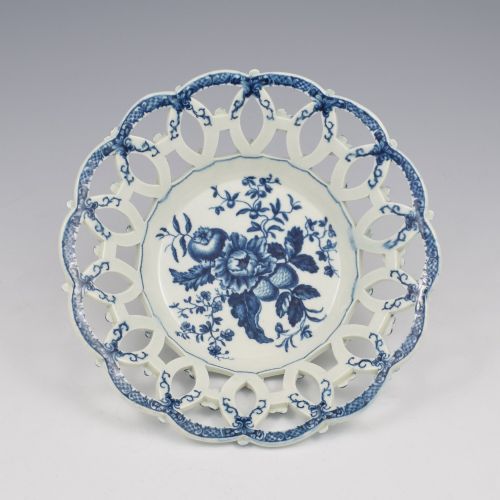
A blue ceramic fruit bowl encompasses a range of historical vessels designed for presentation, including deep footed bowls, comports, centrepieces, and reticulated chestnut baskets. The selection spans the eighteenth, nineteenth, and early twentieth centuries, drawing from English earthenware, French porcelain, and East Asian traditions.
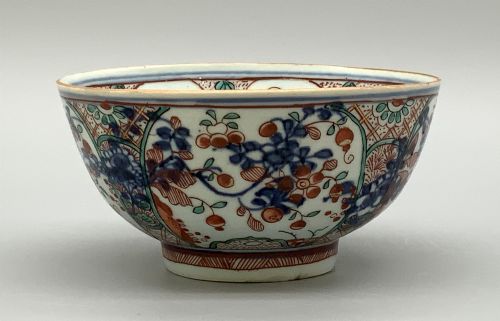
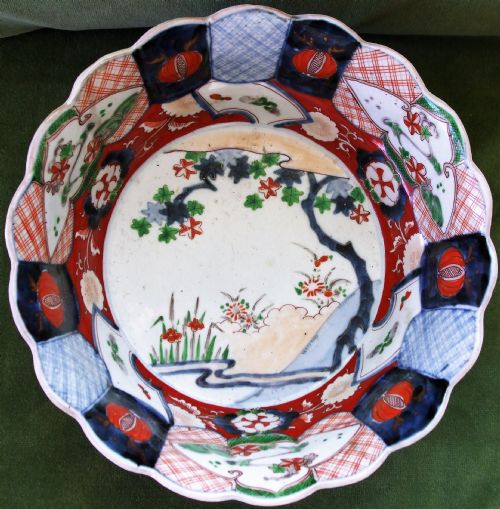
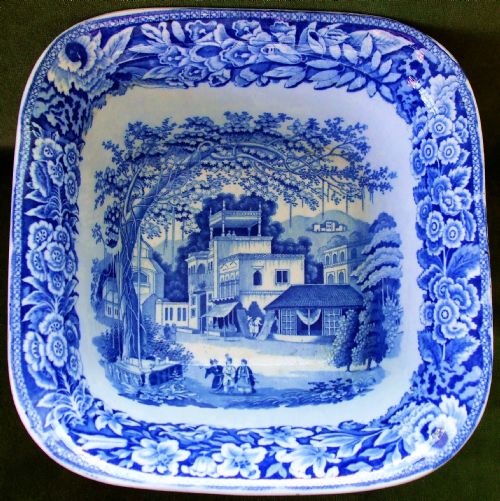
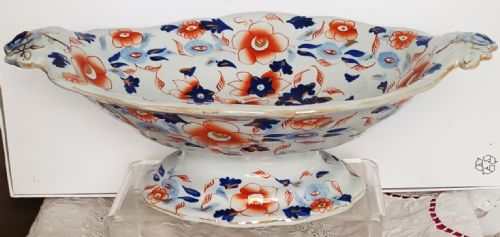
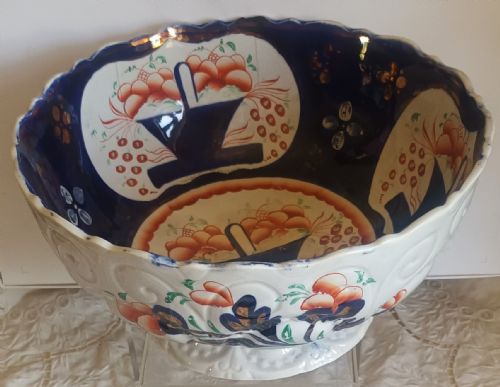
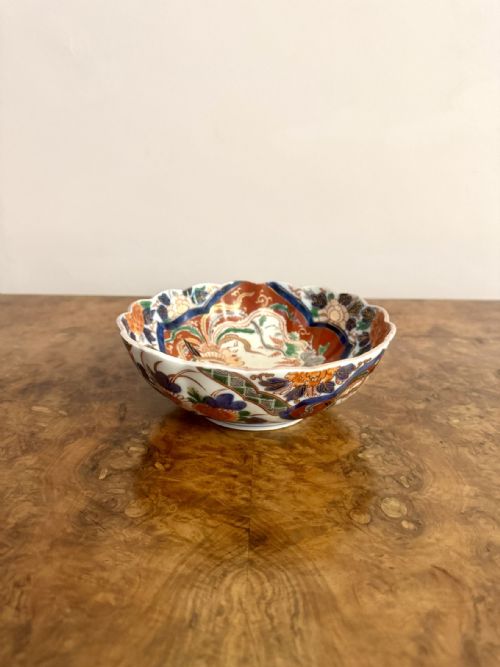
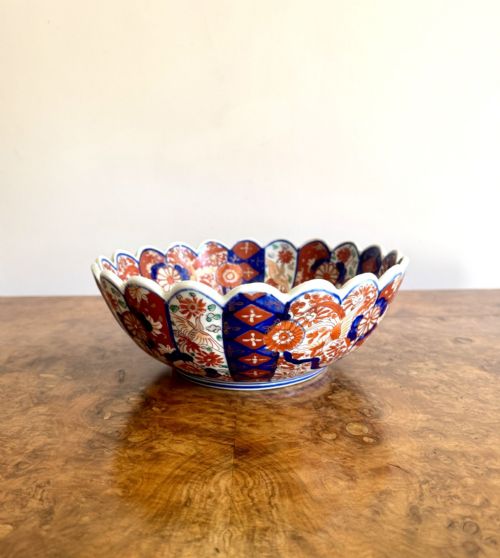
The most common examples on this page are Japanese Imari pieces from the nineteenth century and early twentieth century, alongside English transfer-printed pottery and nineteenth-century Gaudy Welsh patterns. Buyers frequently encounter traditional shapes like scalloped edge bowls and pedestal fruit dishes that reflect both Georgian elegance and Victorian domestic dining.
Materials and technique
These vessels utilise porcelain, ironstone, and earthenware bodies shaped into complex forms such as openwork baskets and fluted bowls. Potters applied cobalt glaze underneath or over the fired body to achieve deep blue tones, often complemented by hand-painted polychrome accents and gold leaf details.
Transfer printing technology allowed makers to apply intricate pictorial designs like river scenes and Eastern street patterns directly onto the clay before glazing and firing. Lustre techniques and enamel applications provided additional surface depth on pieces from later periods like the early twentieth century.
The inventory includes multiple examples of Japanese Imari alongside English transfer-printed pottery and Wedgwood lustre wares.
Judging the standard
Quality rests on the crispness of the blue transfer or hand-painted cobalt motifs against the white ceramic or porcelain ground. The precision of reticulated openwork on chestnut baskets and the uniformity of scalloped edges indicate the skill involved in the shaping process.
Makers known for exceptional porcelain bodies and controlled kiln work distinguish the upper tier of pieces. The complexity of the glaze effects, such as deep cobalt saturation and refined gilding, determines the distinction between standard domestic wares and high-status centrepieces.
J. & R. Clews·J. & R. Riley·Doulton Burslem·Wedgwood
The Blue Ceramic Fruit Bowl Glossary
- Comport
- A raised dish or bowl used for serving fruit or sweetmeats at the table. These often feature a pedestal foot elevating the vessel above the surface.
- Imari
- A style of Japanese porcelain featuring underglaze cobalt blue combined with iron red and gilt details. The palette remains distinctively bright and patterned.
- Reticulated
- Describes ceramics featuring openwork patterns cut into the clay body before firing. This technique appears frequently on decorative baskets and chestnut dishes.
- Transfer printing
- A method of applying pre-printed designs onto pottery using an engraved copper plate and tissue paper. It revolutionised blue and white ceramics during the Georgian period.
- Tazza
- A shallow saucer-like dish mounted on a stem and foot. Originating in Renaissance Italy, this form was widely revived in nineteenth-century European porcelain.
Blue Ceramic Fruit Bowl: Frequently Asked Questions
How were these bowls used historically?
These vessels served primarily as table centrepieces for displaying fresh fruit or sweetmeats during formal dining. Deeper bowls functioned as punch bowls or washing vessels depending on their size and material.
Over time, they transitioned into decorative objects placed on sideboards or mantelpieces to showcase fine cobalt painting and porcelain bodies.
How do I distinguish eighteenth-century pieces?
Eighteenth-century examples often exhibit characteristic body imperfections, lighter potting techniques, and distinct hand-painted cobalt tones associated with early porcelain factories. Blue and white delftware and early Worcester porcelain display specific glaze pooling and body density typical of that era.
Later nineteenth-century pieces tend to feature mechanical transfer printing and heavier ironstone or earthenware bodies that changed the weight and feel of the bowl.
Can I use these bowls for serving fruit?
Most antique pieces can hold dry fruit safely, though older earthenwares and delicate porcelains require careful hand washing. Avoiding acidic foods helps protect vulnerable overglaze enamels and gold leaf details from wear.
Displaying them as decorative centrepieces protects the historical glaze from modern dishwasher detergents and abrasive scrubbing.
What is the difference between Imari and transferware?
Imari pieces feature hand-painted cobalt blue underglaze paired with hand-applied iron red and gilt details, originating from Japanese traditions. Transferware relies on an engraved copper plate to stamp a blue pattern onto the ceramic surface before glazing.
Imari showcases painterly brushwork and metallic highlights, while transferware offers precise, repeatable pictorial scenes like river landscapes and architectural views.