






Blue Ceramic Cachepot
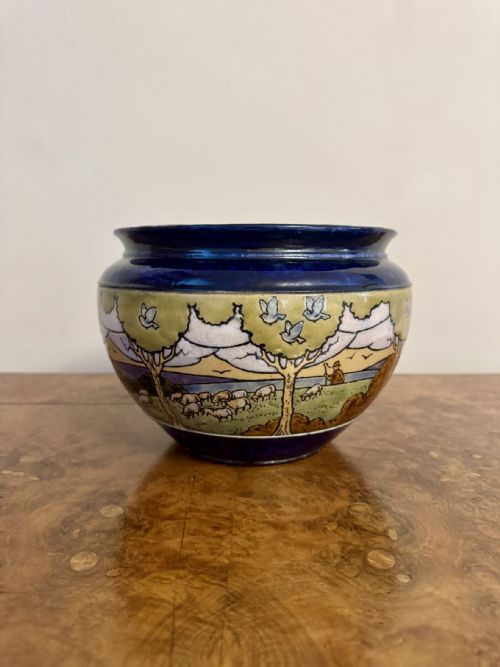
A blue ceramic cachepot holds potted plants indoors, bringing rich cobalt tones and decorative form into a room.
Blue Ceramic Cachepot
A blue ceramic cachepot is primarily designed to hold a smaller plant pot inside a decorative outer vessel. These vessels appear under various terms such as jardinieres, planters, and bough pots across different centuries.
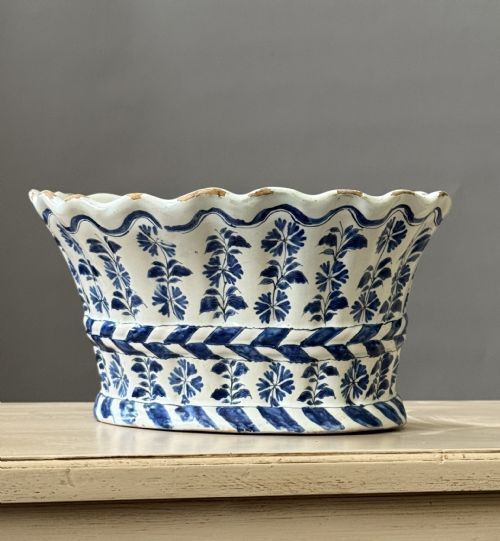
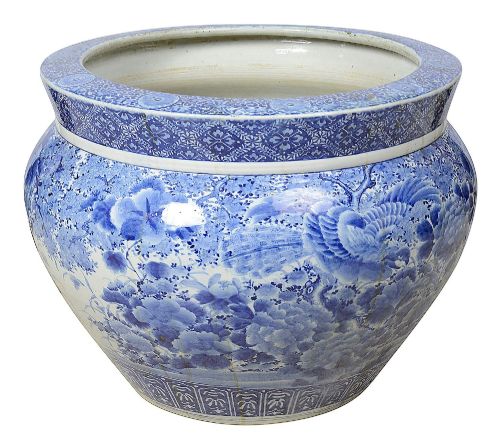
The selections span from early eighteenth-century Delftware and Nevers faience to Victorian stoneware and Japanese Imari porcelain. Most examples encountered here belong to the nineteenth and early twentieth centuries, reflecting diverse international traditions.
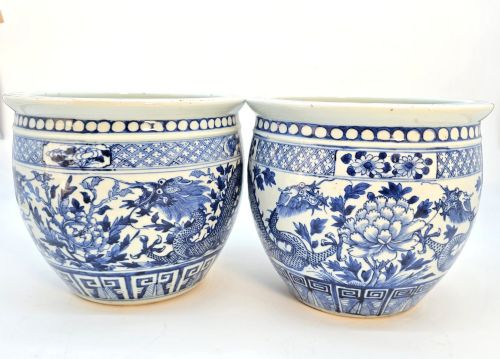
Makers and potteries ranging from Royal Doulton to Wedgwood and various Chinese and Japanese workshops contributed significantly to this category. Forms vary from simple round bodies to footed vessels and three-handled shapes.
Materials and construction
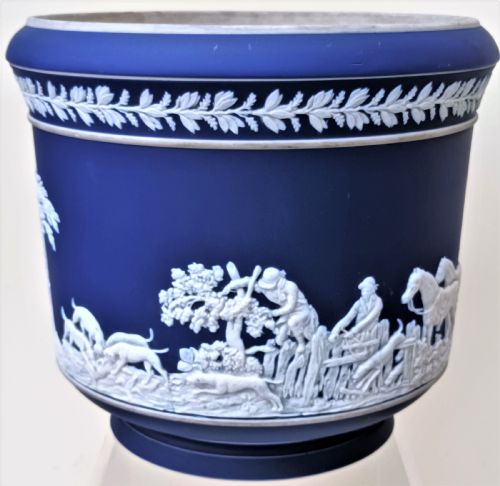
Potters utilised materials such as porcelain, earthenware, stoneware, and jasperware to form the body of each vessel. Many pieces feature a dense glaze or salt-glazed finish applied before firing to create a durable surface.
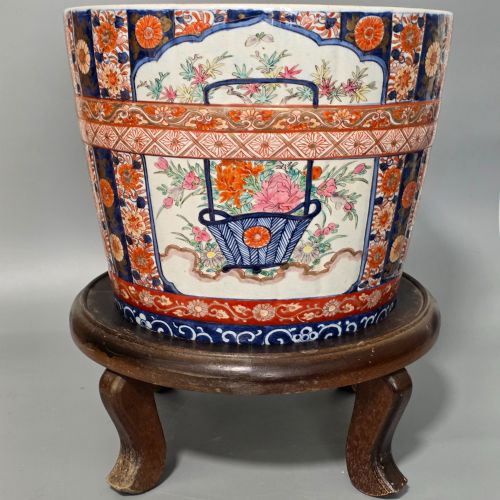
Decoration often involved underglaze blue painting, enamel work, or moulded relief designs applied directly to the clay body. Japanese Imari pieces combined deep cobalt hues with iron red and gilt highlights on porcelain.
Blue Ceramic Cachepot Retail Price Guide 2026
Typical asking prices for blue ceramic cachepot among the pieces listed under this phrase on Sellingantiques today, from the lower quarter to the upper quarter. They describe what is for sale here now, not the wider market.
Several heavy stoneware vessels feature three tiny feet, ensuring they stand securely even when supporting an ambitious fern.
Assessing quality
Quality rests in the crispness of the moulded relief and the depth of the cobalt pigment across the surface. Finer pieces display deliberate brushwork and precise control during the glazing and firing process.
The weight of the ceramic and the stability of the footed base indicate the standard of production. Earlier earthenware and porcelain examples show distinct potting marks that separate them from mass-produced wares.
William Adams & Sons·Royal Doulton·Doulton Burslem·Doulton Lambeth·Royal Worcester
The Blue Ceramic Cachepot Glossary
- Cachepot
- A decorative container used to conceal an unadorned flowerpot. The term translates from French as hiding pot.
- Jardiniere
- A large ornamental pot or stand designed to hold plants or flowers. These vessels often sit directly on the floor or upon a dedicated wooden stand.
- Jasperware
- A type of vitreous stoneware developed by Josiah Wedgwood featuring a matte surface. It typically displays white relief figures applied against a coloured ground, such as blue.
- Imari
- A style of Japanese porcelain decorated in underglaze blue, iron red, and gold. The tradition originated in the Edo period and influenced European potteries.
- Delftware
- Tin-glazed earthenware produced in the Netherlands and England, typically painted in blue with botanical or figurative scenes. This ceramic tradition dates back to the seventeenth and eighteenth centuries.
Blue Ceramic Cachepot: Frequently Asked Questions
What is a blue ceramic cachepot used for?
These vessels serve as decorative outer containers for indoor plants, hiding plain nursery pots from view.
Historically, they protected tabletops and windowsills from water drainage while adding colour to domestic interiors.
How do I date an antique blue ceramic cachepot?
Dating relies on identifying maker marks, glaze characteristics, and stylistic traits associated with specific periods.
Earthenware bodies and hand-painted blue designs often point to earlier centuries, while Victorian stoneware exhibits distinct industrial potting methods.
Can these pots hold soil directly?
Most antique cachepots function best when an inner pot holds the plant and soil.
Placing soil directly into unglazed interior earthenware risks moisture seepage through the porous ceramic body over time.
How do I care for antique ceramic planters?
Gentle dusting with a dry cloth preserves the exterior glaze and any delicate enamel or gilt detailing.
Avoid harsh chemical cleaners that might degrade historical surfaces or nineteenth-century finishes.