




Blue Casing Art Glass
These pieces of blue casing art glass bring layered colour and tactile depth to a room through contrasting glass layers.
Blue Casing Art Glass
When you search for blue casing art glass, you encounter decorative vessels formed from multiple fused layers of glass. The selection ranges from Victorian satin glass vases and bowls to Belgian blue over crystal pieces from the nineteen thirties.
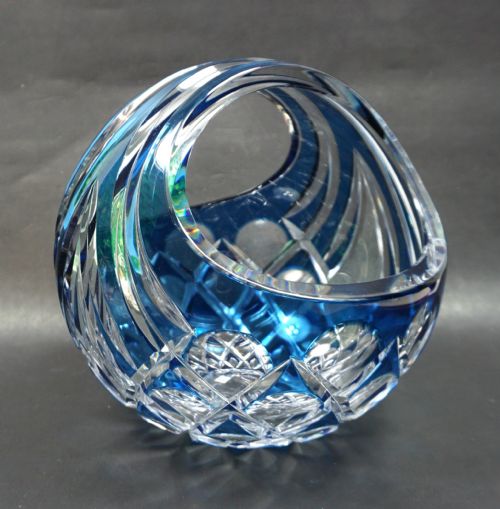
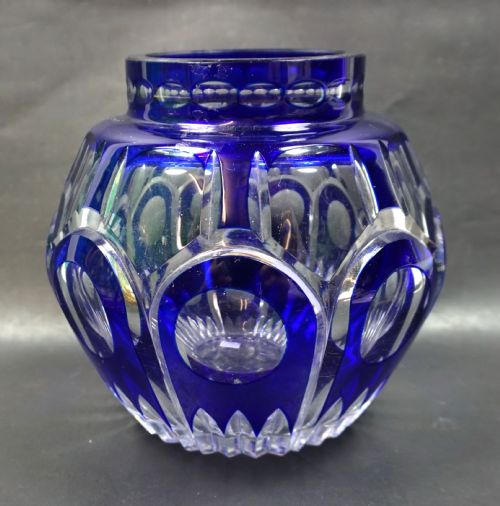
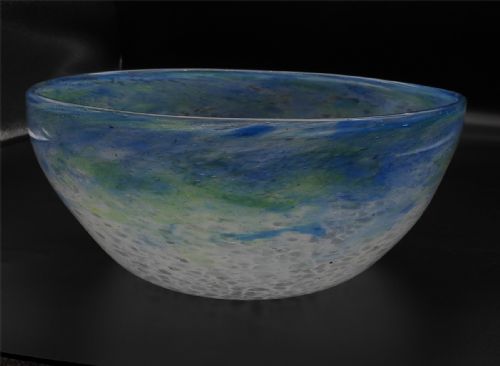
Vessels on this page typically take the form of vases, bowls, and baskets. The production spans distinct periods, including the late nineteenth century and the nineteen thirties, with English and Belgian origins appearing frequently.
How they were made
Makers produced cased glass by fusing an inner layer of glass, often clear lead crystal, inside an outer layer of coloured glass. This layered construction allowed artisans to cut back the exterior layer to reveal the contrasting glass beneath.
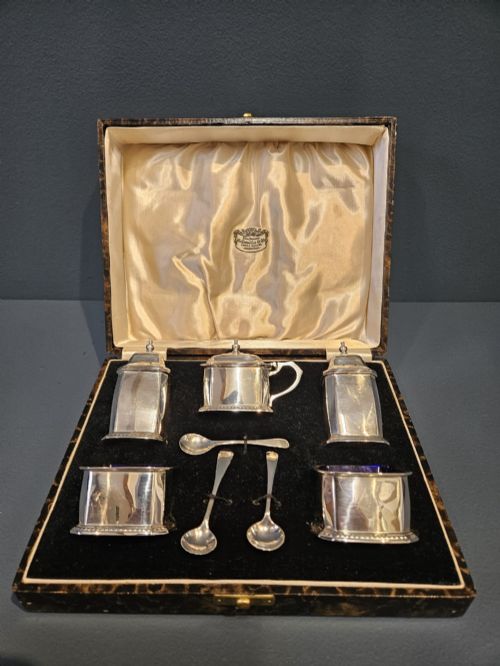
Finishes varied between glossy surfaces and satin textures achieved through acid-etching or mechanical treatment. Some Victorian examples combined coloured glass bodies with silver mounts and fittings.
Blue Casing Art Glass Retail Price Guide 2026
Typical asking prices for blue casing art glass among the pieces listed under this phrase on Sellingantiques today, from the lower quarter to the upper quarter. They describe what is for sale here now, not the wider market.
Listings feature glass pieces spanning the nineteenth century up to nineteen thirty, incorporating materials such as lead crystal, satin glass, and silver.
What varies in quality
Quality rests upon the precision of the layer thickness and the control shown in the blowing and shaping process. Pieces where the outer blue layer is cut away to expose the crystal cleanly demonstrate superior technical execution.
The sophistication of the design and the reputation of the maker or designer elevate certain examples above standard production. The integration of auxiliary materials like silver mounts also distinguishes finer decorative items.
William Neale·Val St Lambert·Monart Glass
The Blue Casing Art Glass Glossary
- Cased glass
- Glass formed from two or more distinct layers of different colours or types fused together during manufacture. This technique creates rich optical effects when the outer layer is cut or carved.
- Lead crystal
- A high-clarity glass containing lead oxide, which adds weight and brilliance to the vessel. It serves as a durable base layer in many multi-layered glass objects.
- Satin glass
- Glass treated to have a soft, matte finish resembling the texture of satin. This effect was often achieved by hydrofluoric acid vapour etching during the Victorian era.
- Art Deco
- A design style prominent in the nineteen thirties characterised by sleek geometric lines and streamlined forms. Glassware from this period often embraced bold colour contrasts.
- Victorian
- Pertaining to the reign of Queen Victoria, a period noted for ornate decorative arts and experimental glass techniques. Pieces from this era often feature rich satin finishes.
Blue Casing Art Glass: Frequently Asked Questions
What is blue casing art glass?
Blue casing art glass refers to decorative glassware constructed from multiple fused layers, featuring a blue exterior over a contrasting inner layer such as clear crystal.
These pieces were produced across various eras, including the Victorian period and the nineteen thirties, encompassing vases, bowls, and baskets.
How do I identify Victorian pieces?
Victorian examples often feature satin glass finishes or elaborate forms combined with silver mounts. They reflect the ornate aesthetic of the late nineteenth century.
Later pieces from the nineteen thirties tend to display cleaner geometric lines associated with the Art Deco movement.
Where were these glass pieces made?
The pieces originate from various European workshops and factories, including English makers and Belgian producers like Val St Lambert.
Each region contributed distinct stylistic elements and manufacturing techniques to the development of layered glassware.
How should I display them?
Place these vessels in well-lit areas where natural light can pass through the layered glass and highlight the rich blue tones. Positioning them on neutral surfaces allows the contrasting colours and textures to stand out.
Avoid overcrowding them with other decorative items so the craftsmanship remains the focal point.