



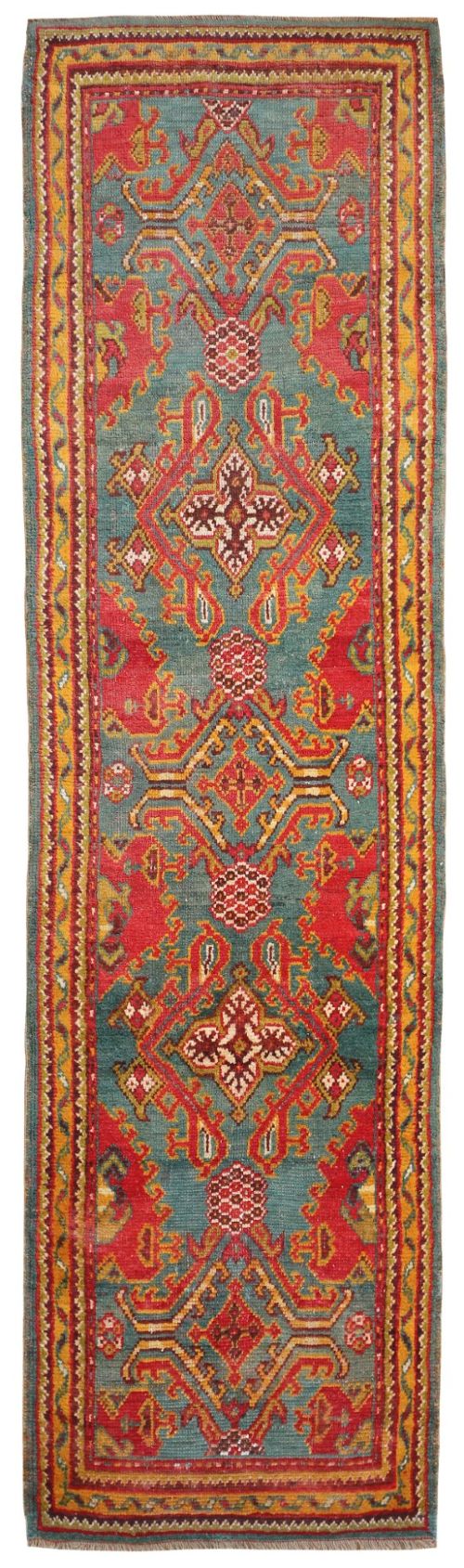
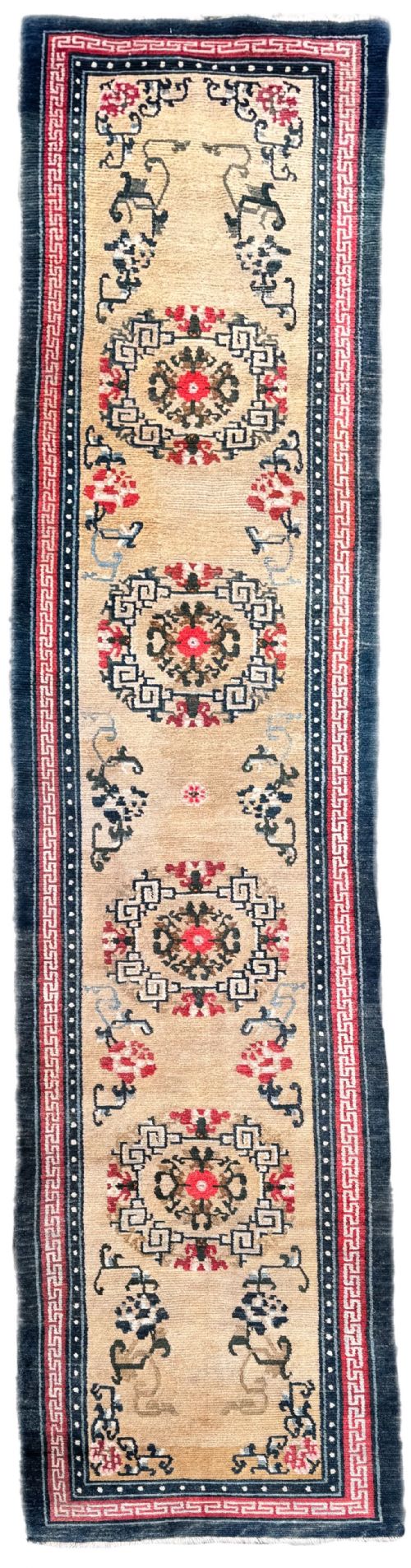

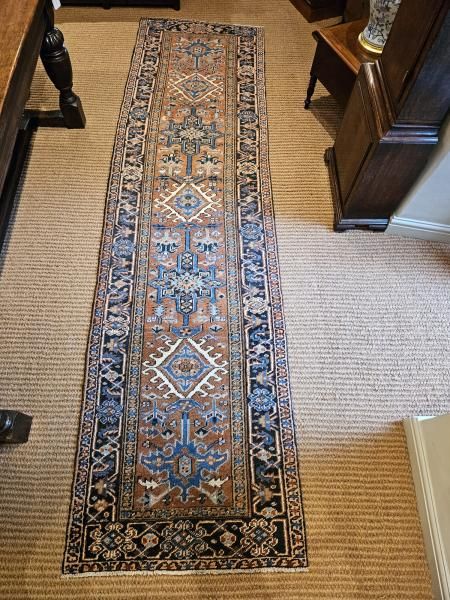
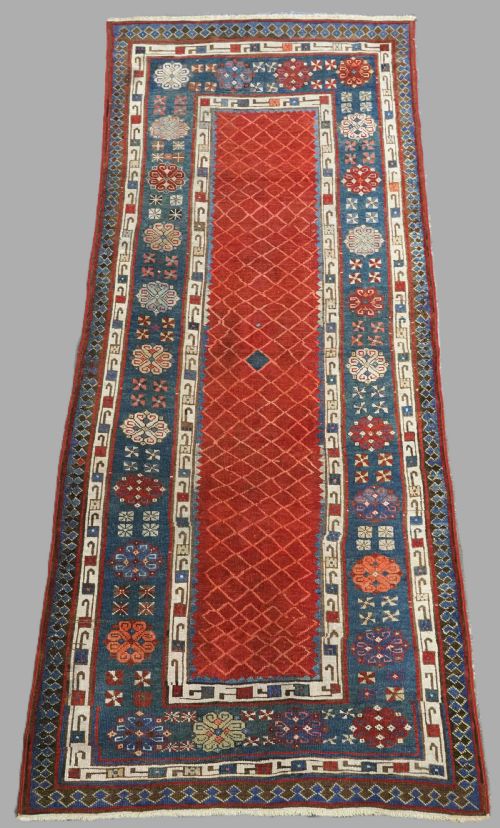

Blue Hallway Runner
A blue antique hallway runner brings colour and geometry to a corridor, offering historic character underfoot through woven wool.
Blue Hallway Runner
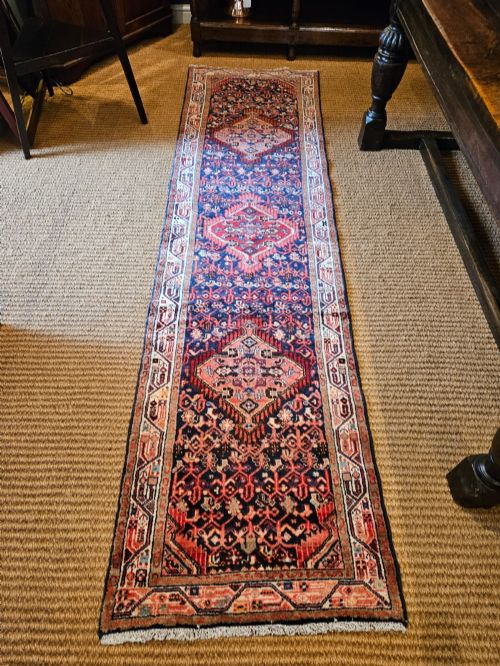
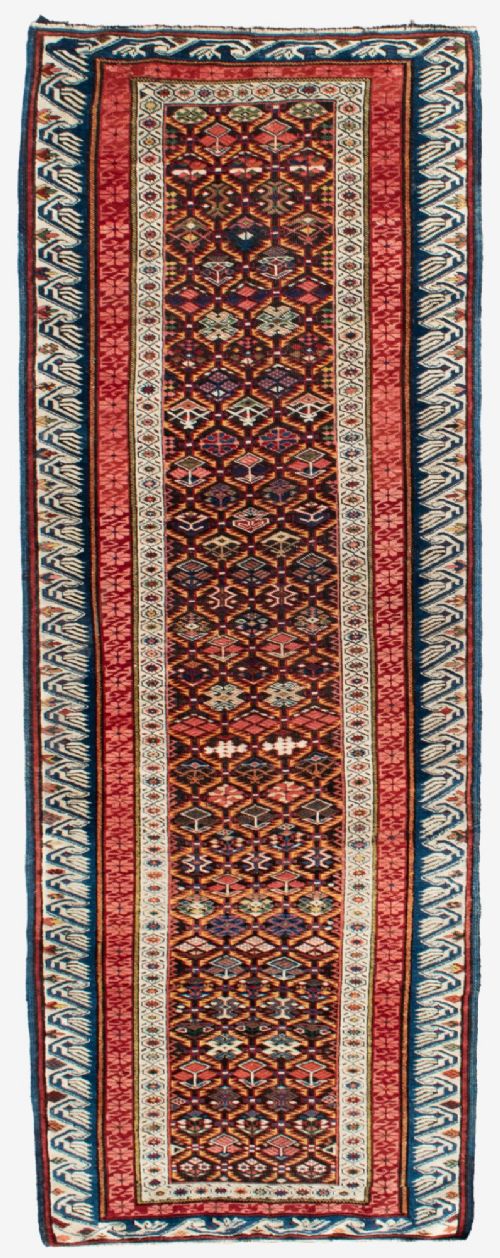
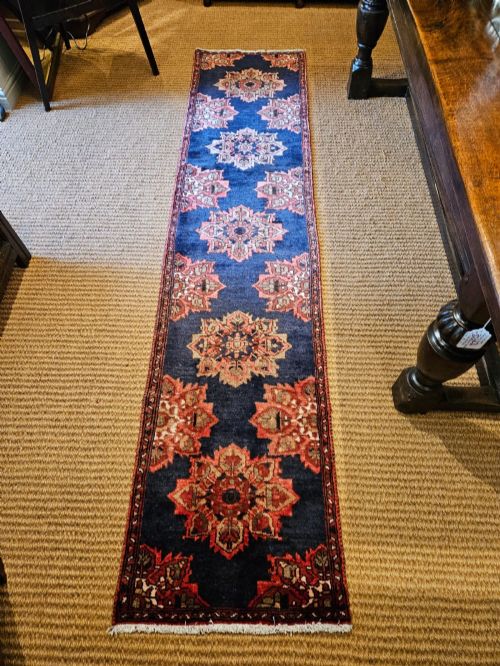
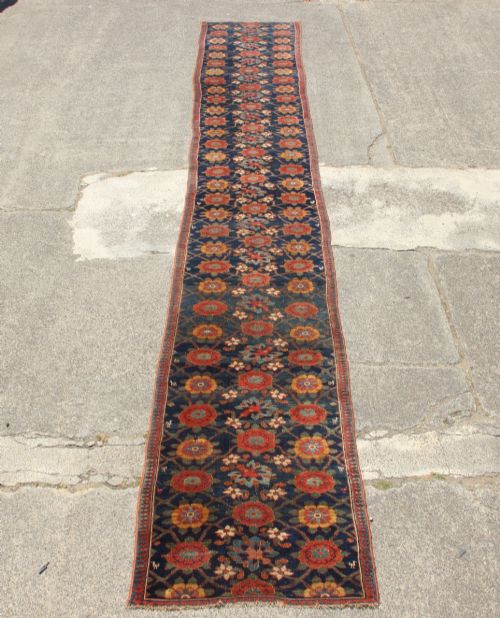
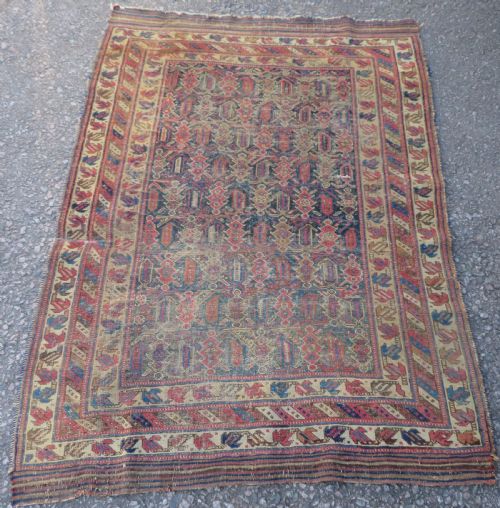
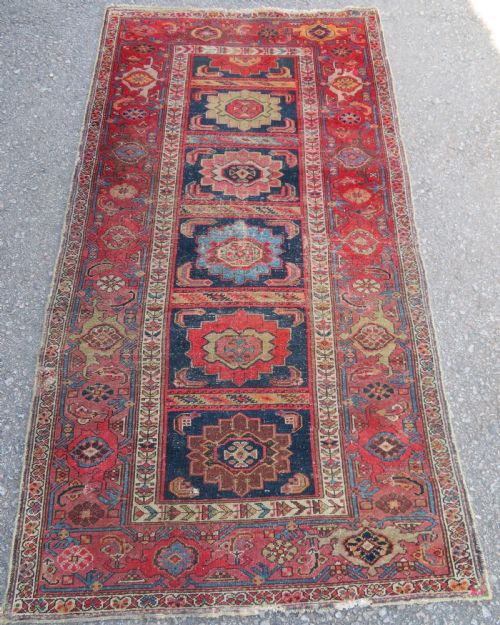
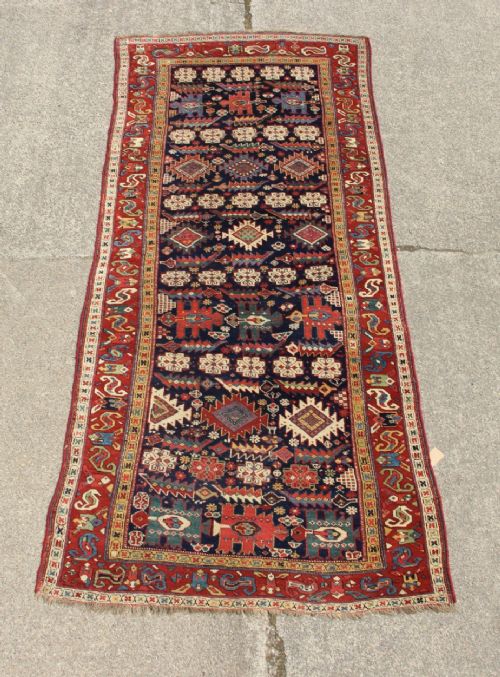
A blue antique hallway runner is a long, narrow textile designed for corridors and passageways, originating from various nineteenth and early twentieth-century weaving traditions. Buyers searching for a blue antique hallway runner encounter traditional Persian, Caucasian, and Anatolian pieces produced across different tribal and regional workshops.
The selections available range from large North West Persian formats to narrow Caucasian examples and Turkish pieces dating from the late nineteenth century up to the 1930s. These floor coverings bridge practical domestic transit routes with regional weaving artistry spanning multiple decades.
Materials and construction methods
These floor coverings utilise wool and hand-spun wool combined with cotton foundations, providing the resilience required for heavy transit areas in homes. Natural dyeing techniques impart the characteristic blue tones seen across the regional formats.
Weavers knotted or structured these textiles by hand, creating dense pile surfaces or flat-woven bodies designed to withstand sustained pressure. The integration of local animal fibres and traditional dyestuffs accounts for the enduring structural integrity of these long formats.
Listings feature pieces spanning from the 1860s through the 1930s, utilising wool, cotton, and hand-spun wool across Persian, Caucasian, and Anatolian styles.
Assessing quality in regional runners
Quality differentiates through knot density, the precision of geometric or floral motifs, and the clarity of the natural blue dye work across the field. Superior examples display balanced proportions in narrow formats alongside tight foundational structures that resist distortion.
The finesse of the drawing in tribal designs separates standard utilitarian weaving from exceptional artistic production originating from specific regional centres. Patina and even wear reflect the authentic age of the textile rather than structural compromise.
The Blue Hallway Runner Glossary
- Runner
- A long, narrow carpet format specifically proportioned for corridors, hallways, and staircases. These pieces measure significantly longer than their width to suit transitional spaces.
- Pile
- The upright cut or looped yarn forming the soft surface of a carpet above the foundation. Pile height influences the tactile feel and durability underfoot.
- Foundation
- The underlying grid of warp and weft threads that supports the knots or flat weave of the textile. Cotton and wool are typical foundation materials.
- Warp
- The vertical threads stretched tightly on a loom before weaving begins. Wefts are passed across these stationary warp threads.
- Weft
- The horizontal threads passed alternately over and under warp threads to secure knots in place. Together with warps, they form the structural grid.
Blue Hallway Runner: Frequently Asked Questions
How do I choose the correct runner length?
Measure the clear floor space of your corridor, leaving an even margin of exposed flooring around the perimeter of the textile. Allow sufficient clearance for doors to open and close freely over the pile.
Longer hallways accommodate extended formats, while shorter passageways require compact dimensions to maintain visual balance within the architectural space.
Where should I place these runners?
Hallways, corridors, and entryways represent the primary domestic locations for these long, narrow textiles. They protect high-traffic wooden or tiled floors while introducing historic pattern and indigo colour to transitional zones.
Placing a rug in a passage requires appropriate underlay to prevent shifting under daily foot traffic and to preserve the textile foundation.
How do I clean an antique wool runner?
Gentle surface vacuuming without a rotating brush roll removes loose grit and dust embedded within the wool pile. Professional textile conservators should handle deep cleaning to protect natural dyes and fragile foundations.
Avoid excessive moisture and harsh chemical treatments that can damage hand-spun wool fibres and alter historical colour saturation.
What indicates a Caucasian origin?
Caucasian pieces typically feature crisp, geometric medallions, stark rectilinear motifs, and saturated primary colour palettes including distinct blues and reds. The weaving style reflects the specific tribal traditions of the Caucasus region.
Structural characteristics such as specific edge finishes and wool qualities further help identify these regional workshop or village pieces.