




Tribal Pattern Runner
A tribal pattern runner brings genuine history to a hallway, woven by village and nomadic hands using time-honoured techniques.
Tribal Pattern Runner
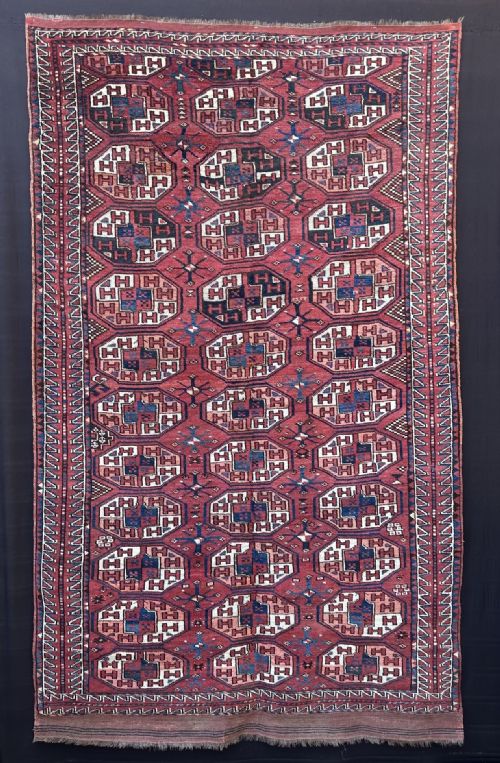
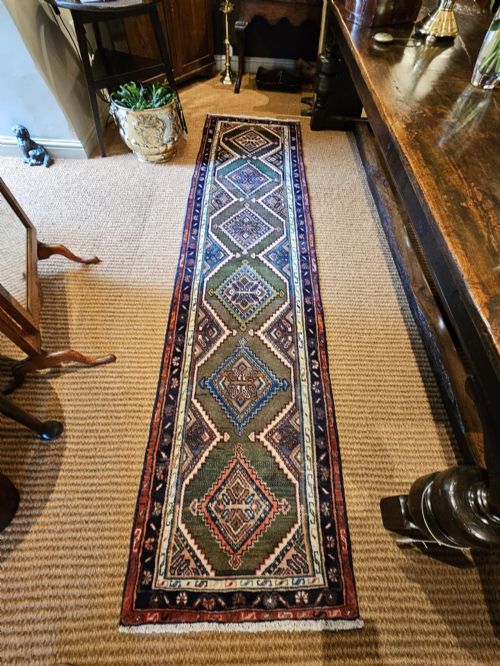
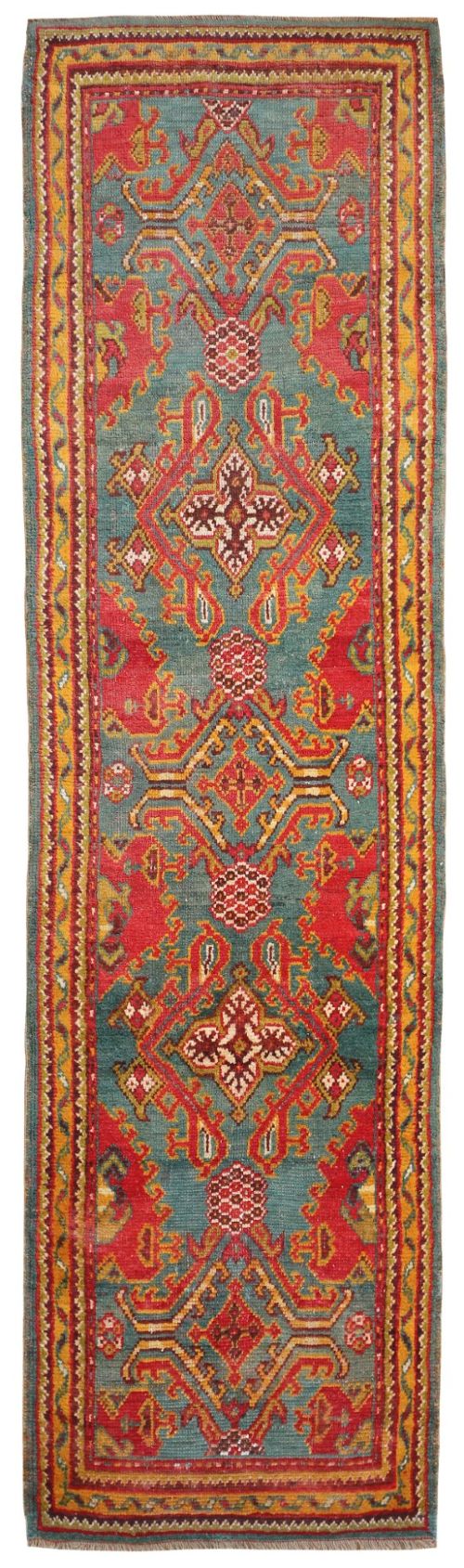
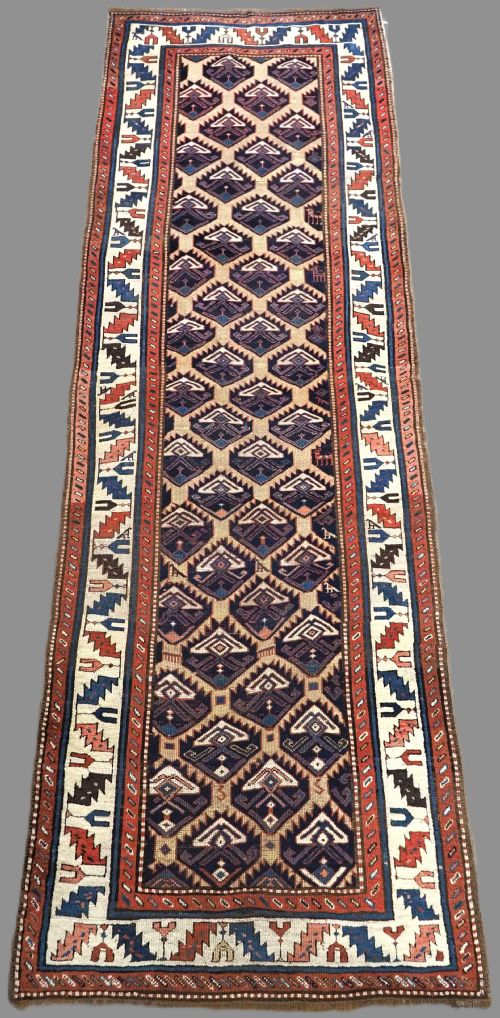
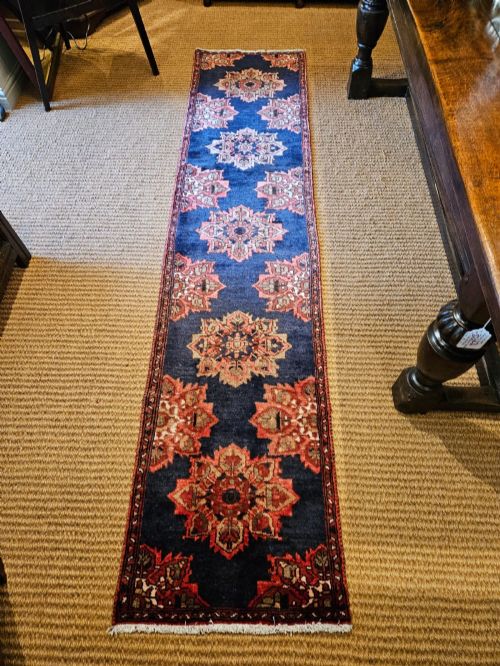
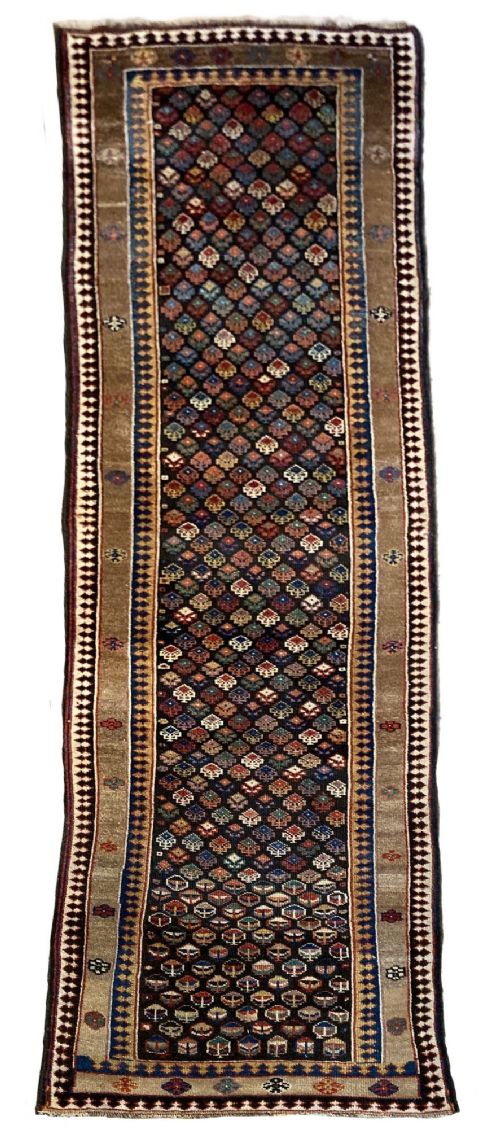
A tribal pattern runner is a long, narrow carpet designed for corridors and passages, carrying geometric motifs and traditional symbols handed down through generations. These floor coverings emerge from various regions including Persia, the Caucasus, and Central Asia, bearing the distinct aesthetic of specific tribes and workshops.
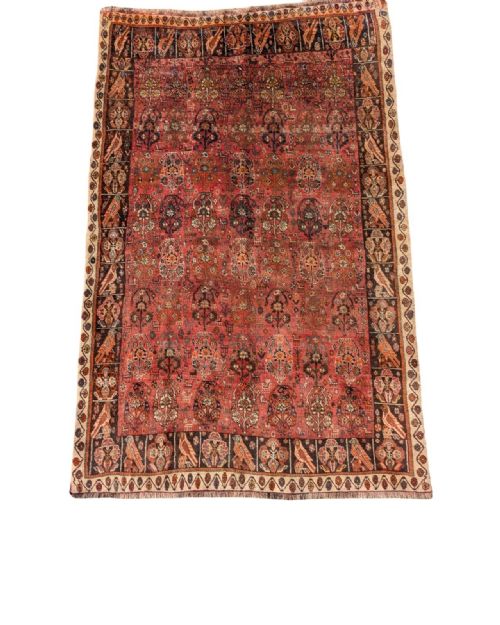
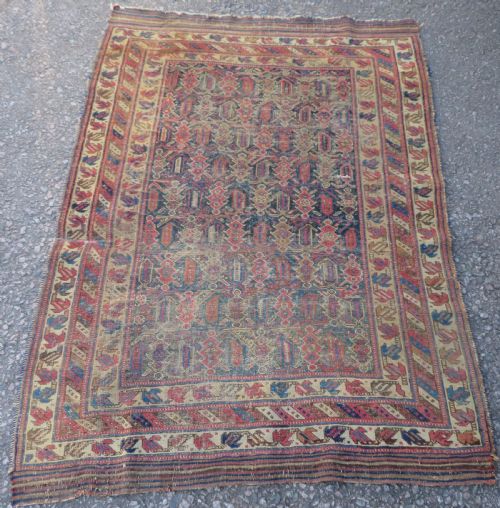
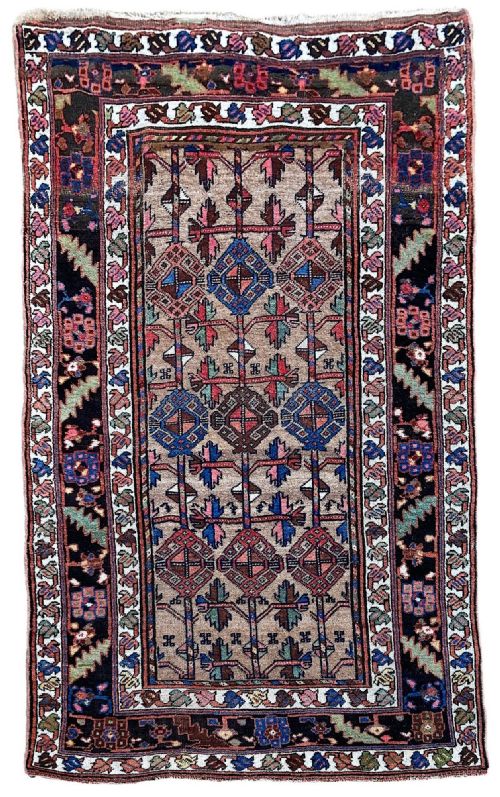
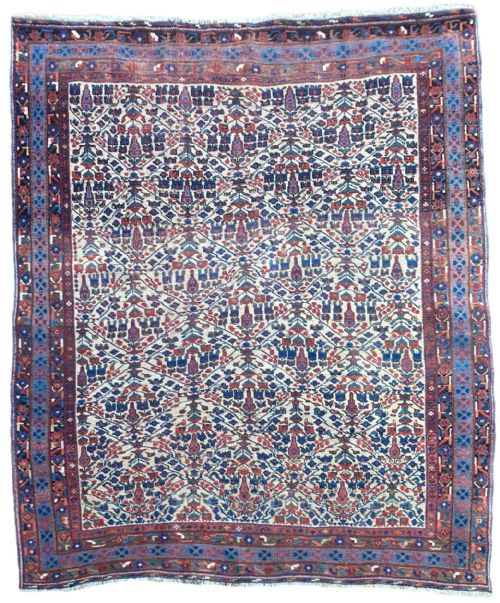
The pieces available on this page span the nineteenth and early twentieth centuries, created by weavers from groups such as the Kurdish, Qashqa'i, Afshar, and Turkmen. Buyers will encounter both piled rugs and flat-woven kilims, each format offering a different texture and weight underfoot for narrow spaces.
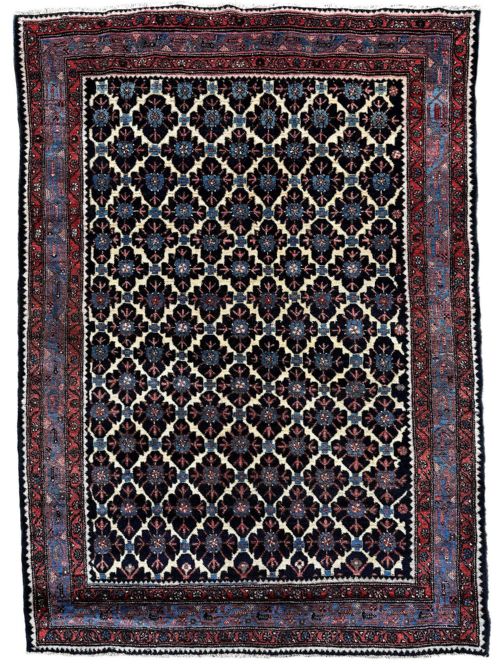
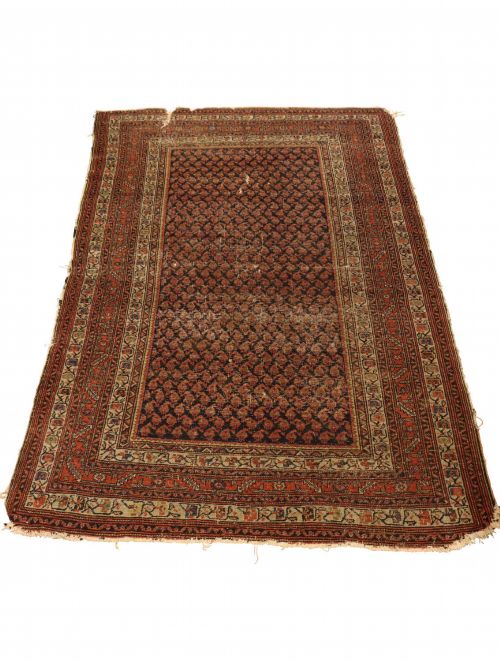
Runners from this selection often display repeating medallions, lattice patterns, or all-over boteh designs, executed in rich wool. They bridge practical hallway flooring and textile art, bringing authentic regional character to domestic interiors.
How they were made
The construction of these runners relies heavily on hand-spun wool for the pile, foundations, and warps, providing a dense and durable surface built to withstand heavy foot traffic. Weavers tied these fibres by hand, resulting in a flexible structure that settles naturally along a corridor floor.
Natural dyes impart the colour palette across these textiles, sourced from local plants and minerals that create subtle tonal variations within the wool over time. This dyeing method ensures the colours age gracefully, developing a rich patina as the rug is used.
Some antique runners arrive with wonderfully crooked geometry, recording the exact moment a weaver adjusted their loom outdoors.
What varies in quality
Quality in these runners rests on the density of the knotting and the fineness of the hand-spun wool, which dictate the crispness of the geometric design and the longevity of the pile. Tighter execution allows intricate motifs to remain sharp and well-defined along the narrow format.
The depth and complexity of the natural dye palette also distinguish finer examples, as skilled dyers achieved vibrant yet harmonious tones that endure. Additionally, the integrity of the original edges and ends influences the overall standing of the piece.
The Tribal Pattern Runner Glossary
- Runner
- A long, narrow carpet format intended specifically for hallways, staircases, and corridors. These pieces balance length with a restricted width to fit narrow architectural spaces.
- Kilim
- A flat-woven carpet produced without a pile, created by tightly interlocking warp and weft threads. This technique yields a lightweight, reversible textile with crisp geometric patterning.
- Boteh
- A stylised floral motif resembling a pear, almond, or bent cypress tree, frequently repeated across tribal carpets. It remains one of the most enduring symbols in oriental textile design.
- Gul
- A medallion or repeating octagonal motif used extensively in Central Asian and Turkmen weaving. Each design often signifies a particular tribe or clan lineage.
- Hand-knotted
- A construction method where individual lengths of yarn are tied manually to the warp threads by the weaver. This process requires immense time and skill compared to mechanical production.
Tribal Pattern Runner: Frequently Asked Questions
Where should I place a tribal pattern runner?
These long formats suit hallways, corridors, and narrow entryways where their linear geometry guides the eye through the space. They also work effectively in kitchens or beside beds where a narrow path of warmth is needed.
Because they were made for heavy use, they handle everyday foot traffic well while adding historical character to transitional areas of the home.
How do I clean an antique wool runner?
Regular gentle vacuuming without a rotating beater bar helps remove dust trapped deep within the hand-spun wool pile. For deeper cleaning, professional textile washing tailored to antique natural-dyed carpets is essential to preserve the fibres and dyes.
Avoid using harsh chemical detergents or soaking the piece at home, as this can destabilise traditional vegetable colours and weaken the wool foundation.
Are these runners durable enough for daily use?
Hand-knotted wool construction and natural lanolin make these textiles remarkably resilient against daily wear and tear in domestic settings. The density of the weave provides a strong surface that cushions footsteps while maintaining its structural integrity.
Using a quality underlay beneath the runner prevents slipping and reduces friction between the floor and the wool foundation, further extending its lifespan.
How can I tell different tribal designs apart?
Distinguishing between styles involves examining the specific structure of the motifs, such as the octagonal guls of Turkmen pieces or the sharp geometric lattices of Caucasian runners. Colour combinations and weave types also point toward particular regions like Fars province or the Caucasus.
Comparing the border arrangements and secondary filler ornaments helps narrow down the probable tribal origin of each piece.