


Blue and White Porcelain Vase
A blue and white porcelain vase carries centuries of global artistry, offering enduring cobalt decoration on refined ceramic bodies for any collector.
Blue and White Porcelain Vase
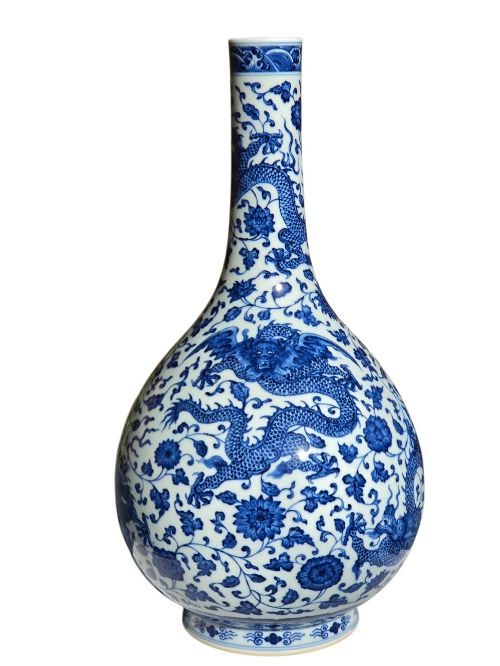
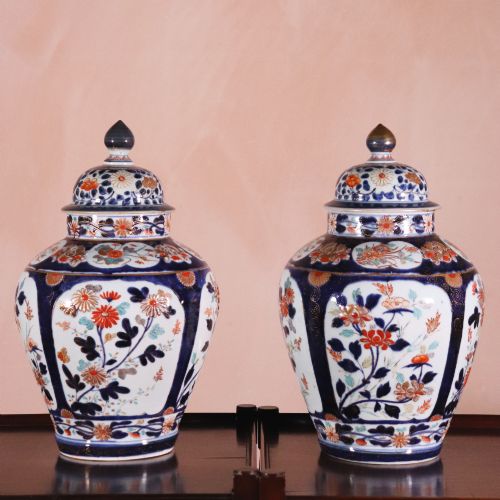
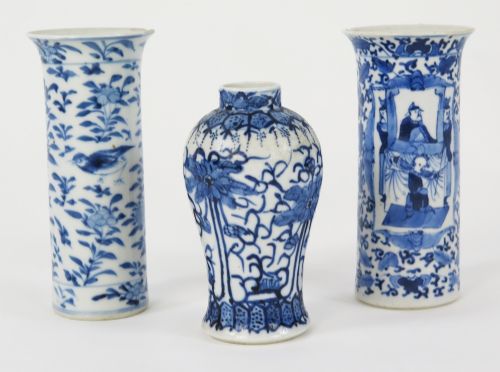
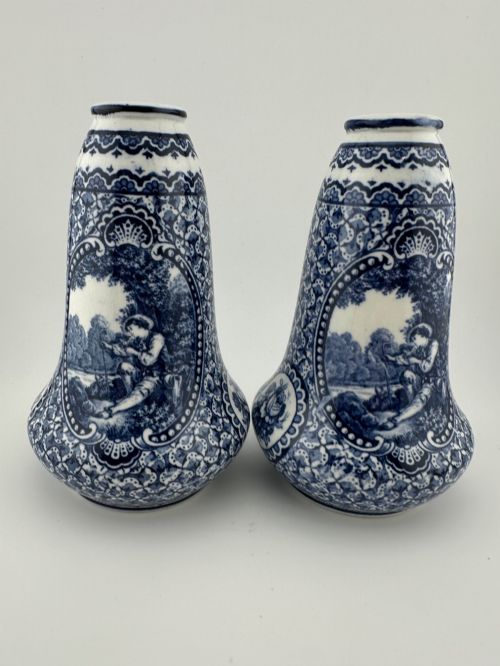
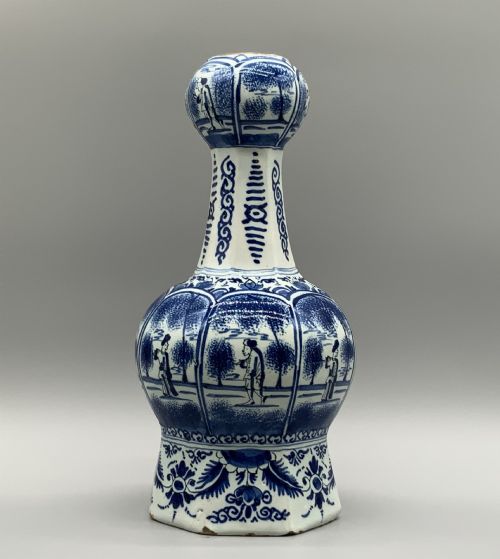
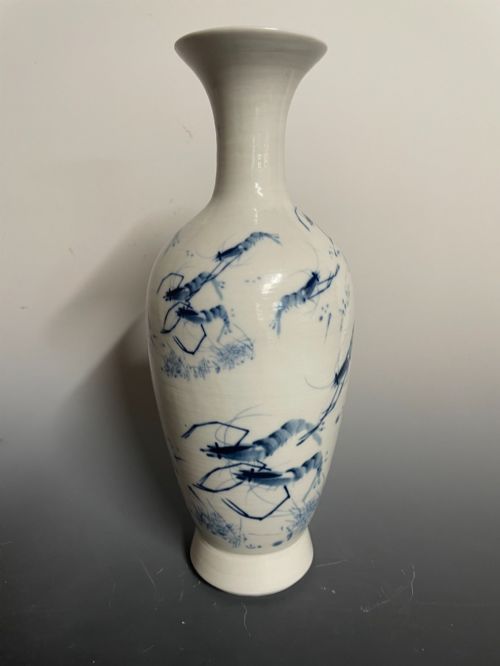
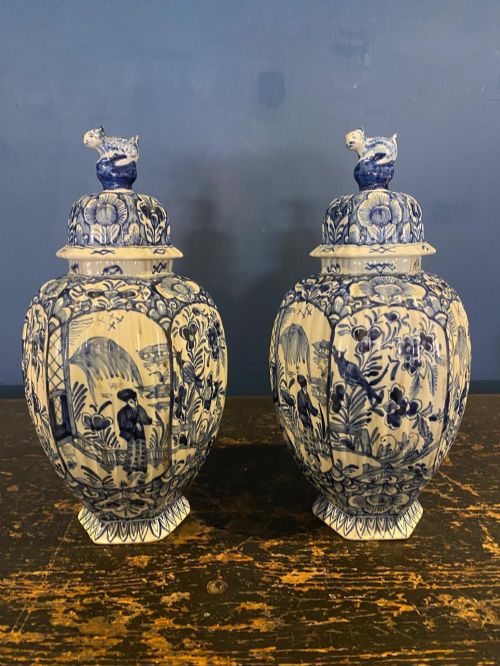
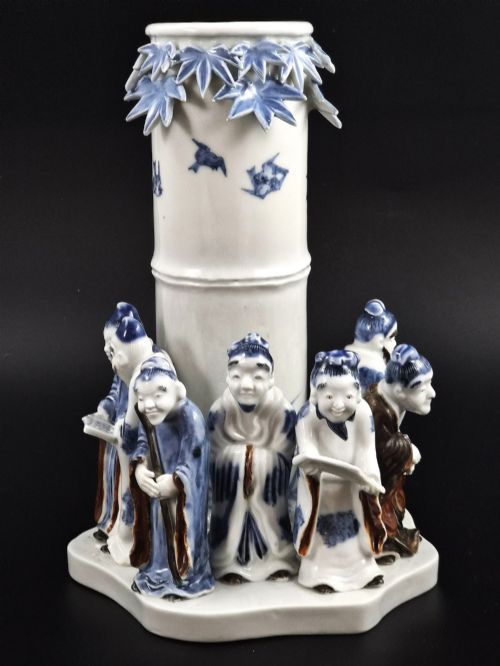
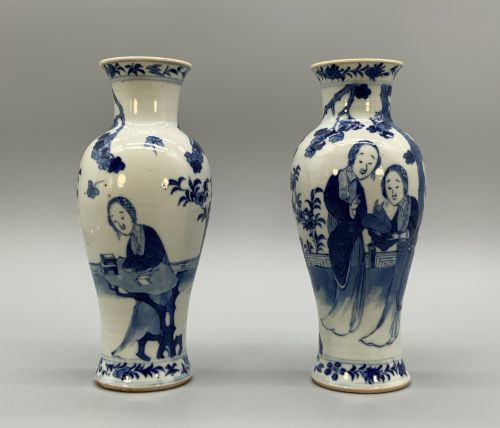
When searching for a blue and white porcelain vase, collectors encounter a diverse range of pieces spanning multiple centuries and distinct geographic origins. The selections here showcase traditional forms originating from Chinese dynasties, Japanese kilns, and European earthenware traditions.
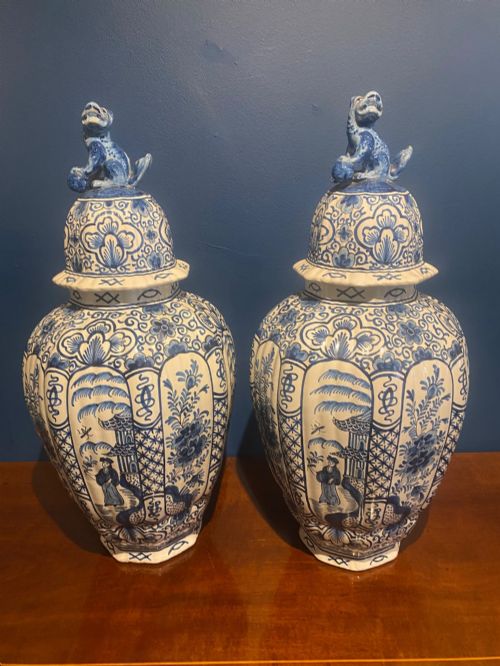
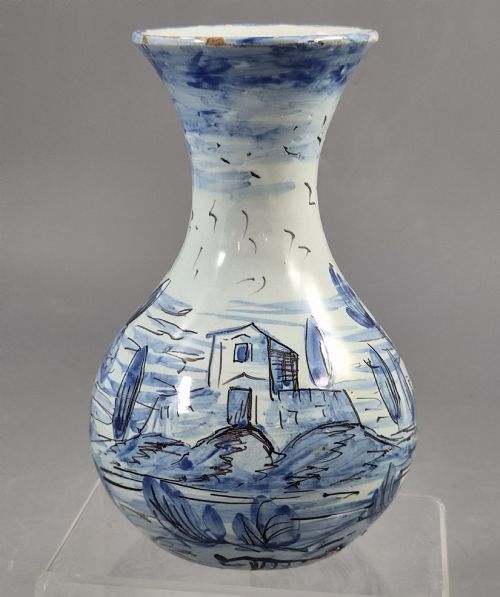
The most frequent versions met on this page include robust Chinese export pieces, Japanese Imari wares, and European interpretations such as Dutch Delft and English ironstone. These items appear as standard mantel vases, large pairs, and occasionally converted table lamps.
Periods represented stretch from the seventeenth century through the nineteenth century, reflecting evolving global trade and stylistic exchanges. Buyers will find baluster shapes, bottle vases, and ginger jars alongside cabinet pieces and urns.
How they were made
Makers shaped refined ceramic and porcelain bodies before applying cobalt pigment beneath a transparent glaze to achieve the characteristic blue decoration. Firing at high temperatures ensured the cobalt fused permanently with the glaze, producing deep, enduring hues.
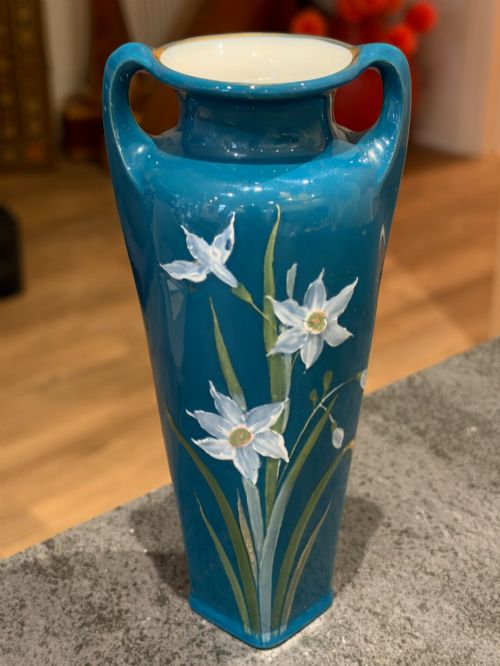
Some European variations utilise tin-glazed earthenware, known as delftware or maiolica, where an opaque white tin glaze receives the blue painted motifs. Certain specialised pieces incorporate additional embellishments like gold leaf, enamel highlights, or intricate paste-on-paste decoration.
Potters utilised throwing wheels and moulds to shape the clay, followed by careful hand-painting of narrative scenes, floral motifs, or mythical beasts. The resulting objects combine structural integrity with precise brushwork executed by skilled artisans.
Blue and White Porcelain Vase Retail Price Guide 2026
Typical asking prices for blue and white porcelain vase among the pieces listed under this phrase on Sellingantiques today, from the lower quarter to the upper quarter. They describe what is for sale here now, not the wider market.
Several centuries ago, European collectors loved these vases so much they routinely had local silversmiths fashion custom metal lids for them.
What varies in quality
The hierarchy of quality rests primarily upon the precision and fluidity of the hand-painted cobalt decoration. Superior examples display confident brushwork, depth of tone, and intricate detail in figures or foliage, whereas lesser pieces show rushed or mechanical application.
Material refinement and glazing consistency further separate ordinary items from exceptional works. Fine porcelain bodies exhibit smooth, even surfaces without excessive firing blemishes, while the glaze provides a clear, luminous finish that enhances the blue pigments beneath.
Gebrüder Heubach·Royal Crown Derby·Royal Bonn Franz Anton Mehlem·Cantagalli·Hicks and Meigh·Spode
The Blue and White Porcelain Vase Glossary
- Baluster
- A tall vase shape with a rounded body that tapers toward the base and swells near the middle. This classic form provides stability and ample surface area for painted narratives.
- Underglaze
- Pigment applied to the ceramic body before the application of a transparent glaze and subsequent firing. This technique protects the blue decoration from wear over centuries.
- Imari
- A style of Japanese export ceramics featuring cobalt blue underglaze combined with iron red and other enamel colours. Pieces often display dense floral and brocade patterns.
- Chinoiserie
- European artistic styles reflecting Chinese motifs and decorative techniques, prevalent in Dutch Delft and various eighteenth-century wares. Artisans reinterpreted Eastern designs through a Western lens.
- Meiping
- A traditional Chinese vase form characterised by a narrow neck, broad shoulders, and a tapering base, originally designed to hold plum branches.
Blue and White Porcelain Vase: Frequently Asked Questions
How do I date a blue and white vase?
Dating relies on examining the potting style, the tone of the cobalt blue, and any reign marks or backstamps present on the base. Comparing the decorative motifs with documented historical periods provides further chronological context.
Changes in ceramic bodies and glaze compositions over the centuries also help differentiate early pieces from later Victorian or Edwardian revivals.
Were these vases used for fresh flowers?
Many larger baluster vases and jars served primarily as decorative garniture sets displayed on mantelpieces or within scholar's retreats. Smaller vessels and bottle forms occasionally held dried botanicals or specialised sprays.
Their primary function historically was aesthetic display rather than daily utilitarian service for cut flowers.
How should I display a converted lamp?
Vases converted into table lamps during the nineteenth or twentieth centuries require careful placement away from high-traffic areas to protect the vintage wiring and ceramic body. Pairing them with a simple silk or parchment shade maintains focus on the painted cobalt decoration.
Ensure the mounting hardware is secure and does not exert undue pressure on the antique ceramic structure.
What is the difference between Delft and Chinese export?
Dutch Delft uses a tin-glazed earthenware body which results in an opaque white surface and a softer, more porous fabric. Chinese export pieces are true hard-paste porcelain fired at much higher temperatures to achieve a vitrified, translucent body.
The blue tones on porcelain tend to sit sharply under a clear glass-like glaze, whereas Delft pigments sometimes sink slightly into the softer tin glaze.