


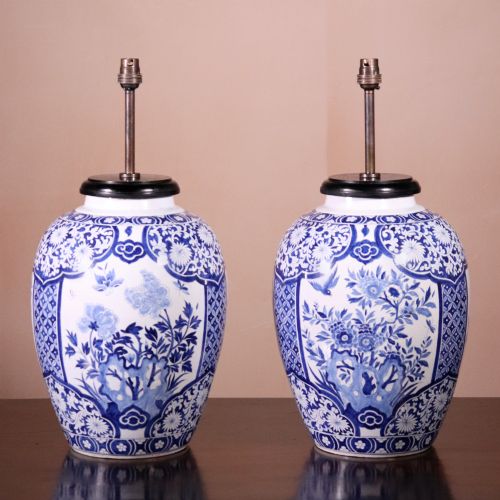


Blue and White Lamps
These blue and white lamps are transformed antique vessels that bring cobalt decoration and period form into modern interiors.
Blue and White Lamps
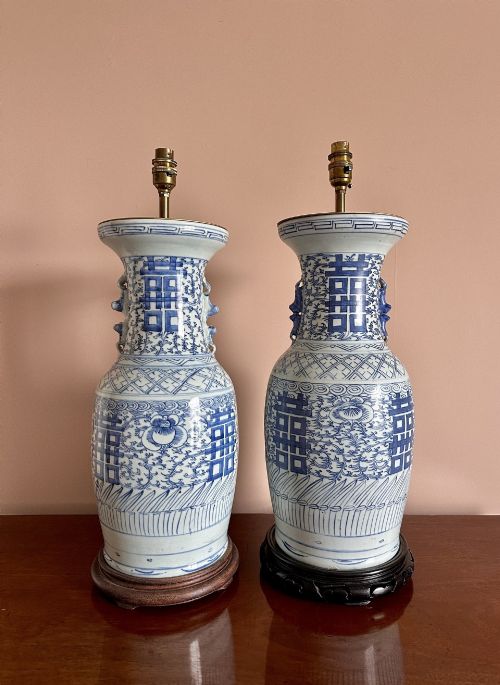
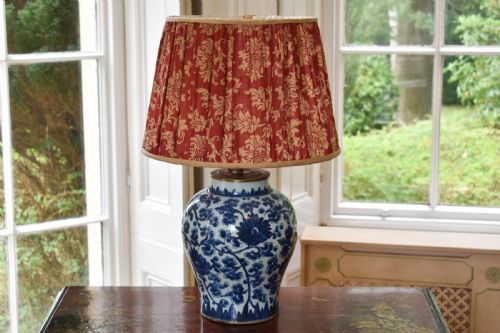
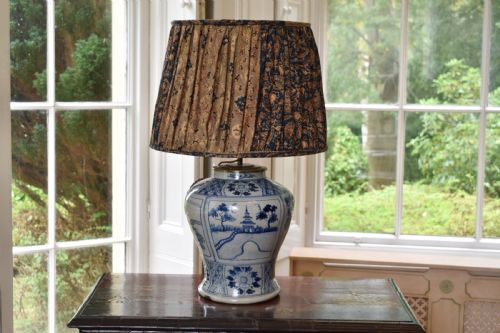
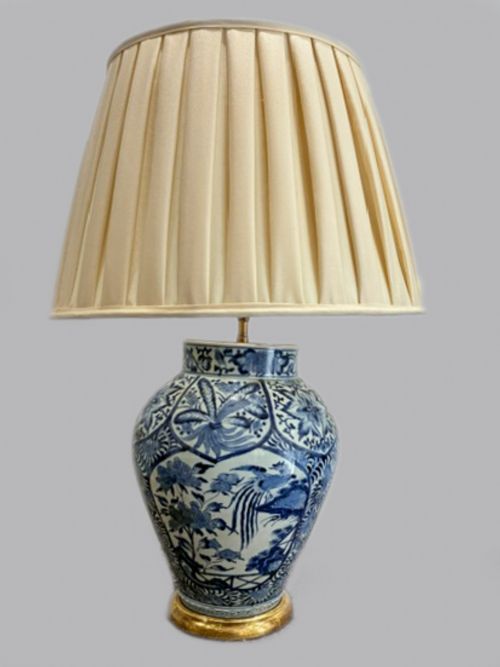
When you search for blue and white lamps, you encounter historic vessels repurposed for modern lighting, primarily table lamps created from older ceramic bodies. These pieces frequently originate from Asian export kilns or European potteries, utilising jars, ginger jars, and vases as their central columns.
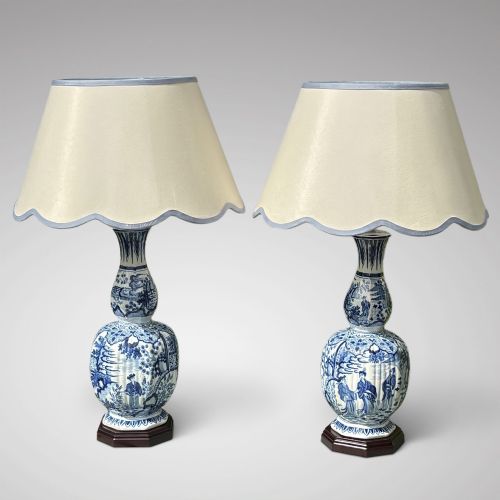
The version you are most likely to meet on this page is a nineteenth-century Chinese porcelain vase or a Delft earthenware vessel mounted with electrical fittings. Many retain their original hand-painted cobalt botanical or figurative motifs, while others incorporate later silk or fabric shades upon gilt or wooden bases.
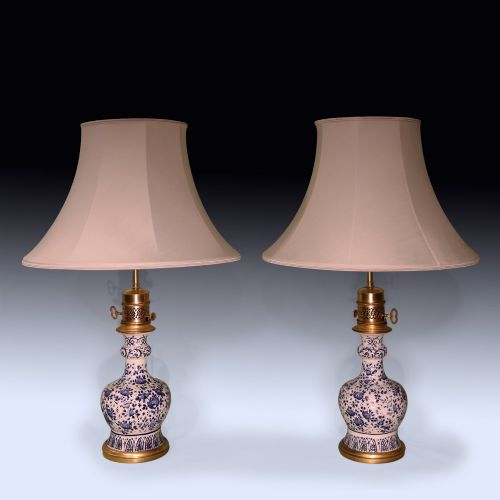
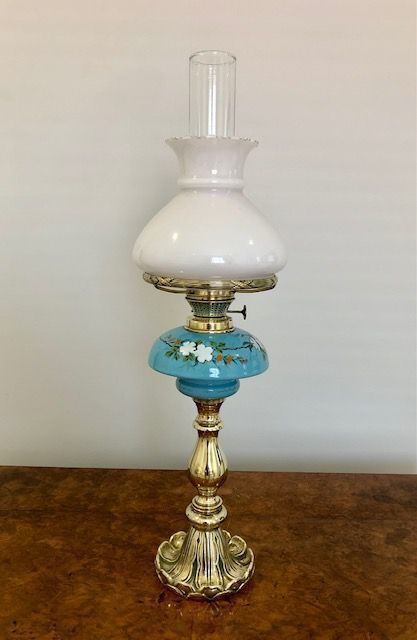
Beyond table lamps, the selection extends to oil lamps with brass and ceramic reservoirs, alongside occasional crystal chandeliers touched with cobalt and white glass. These objects bridge the gap between antique ceramic art and functional interior illumination.
Materials and conversion techniques
The primary bodies are shaped from porcelain, earthenware, ironstone, and maiolica, decorated with cobalt blue pigments under or over the glaze before firing. Potters in China, Japan, and European centres such as Delft utilised wheel-thrown or moulded techniques to create the underlying vases and jars.
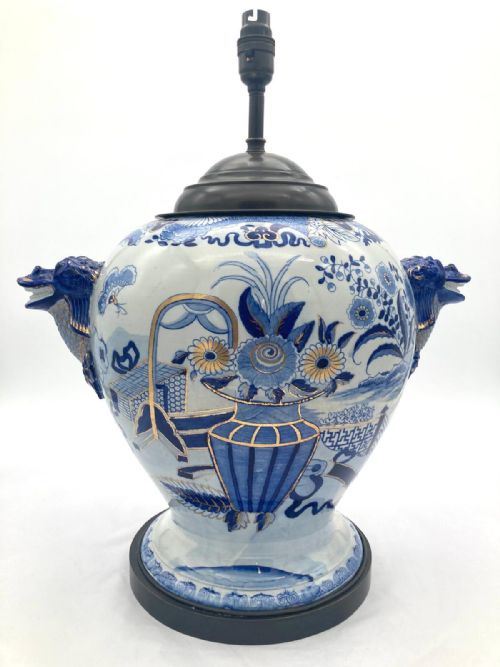
Conversion typically involves mounting the ceramic vessel onto a base of brass, wood, or glass, and piercing or adapting the body to accommodate wiring and lamp fittings. Many examples incorporate fabric or silk shades, paired with structural elements like brass oil burner hardware or gilt mounts.
Blue and White Lamps Retail Price Guide 2026
Typical asking prices for blue and white lamps among the pieces listed under this phrase on Sellingantiques today, from the lower quarter to the upper quarter. They describe what is for sale here now, not the wider market.
Listings feature ceramic bodies spanning from the seventeenth century to the twentieth century, incorporating porcelain, earthenware, and glass.
Factors of quality and execution
Quality rests upon the crispness of the cobalt painting, the integrity and age of the ceramic body, and the balance of the conversion. Finer examples display detailed hand-painted scenes, smooth crackleware glazes, or heavy porcelain bodies without modern replacement parts obscuring the antique vessel.
The skill of the conversion also determines the standing of the piece. Superior examples integrate the electrical fittings securely through existing apertures or professional mounts, preserving the visual harmony of the original vase or jar without compromising its structural form.
Hicks and Meigh
The Blue and White Lamps Glossary
- Ginger jar
- A high-shouldered ceramic container originally used for storing spices, frequently converted into the base of a table lamp. These jars often feature prunus blossom motifs or geometric patterns in cobalt blue.
- Delftware
- Tin-glazed earthenware produced in Dutch and English potteries, known for its white surface painted with cobalt blue designs. It frequently appears in seventeenth and eighteenth-century lamp conversions.
- Crackleware
- Pottery featuring a network of fine microscopic cracks in the glaze, deliberately created during the firing process. This technique appears on nineteenth-century Chinese export vases adapted for lighting.
- Imari
- A style of Japanese porcelain featuring cobalt blue and iron red highlights, sometimes enriched with gilt. Pieces from this tradition are occasionally found mounted as lamps.
- Maiolica
- Italian tin-glazed earthenware decorated with opaque colours, represented in these listings by nineteenth-century table lamps.
Blue and White Lamps: Frequently Asked Questions
Are these antique lamps recently rewired?
Many antique lamps undergo professional rewiring to meet contemporary electrical standards, ensuring safe usage in modern homes. Sellers often update the internal wiring while retaining the historic ceramic body.
Checking the wiring details in individual listings confirms whether components such as plugs and lamp holders are ready for immediate installation.
How do I date a ceramic lamp base?
Dating relies on examining the characteristics of the ceramic body, the cobalt pigment tone, and any visible glaze imperfections. Nineteenth-century and earlier pieces display distinct potting techniques and hand-painted brushwork.
Reference points like crackleware finishes, maker marks, or stylistic periods such as the Qing Dynasty help narrow down the age of the vessel.
Can I replace the fabric shade safely?
Replacing the shade is straightforward provided the fitter type matches the lamp harp or bulb holder. Many lamps arrive paired with handmade silk or fabric shades that complement the blue and white porcelain.
Selecting a shade size proportional to the vase diameter maintains the visual balance of the assembled piece.
What is the difference between porcelain and earthenware lamps?
Porcelain is fired at higher temperatures, resulting in a dense, vitrified body that often rings when struck and appears translucent in thin sections. Earthenware, such as Delftware, is more porous and requires a tin glaze to achieve an opaque white surface.
Both materials were widely utilised for lamp conversions, offering different surface textures and weights for table placement.