



Blue and White Decor
Blue and white decor brings together centuries of ceramic tradition, uniting crisp cobalt pigments and bright glazes across plates, vases, and tiles.
Blue and White Decor
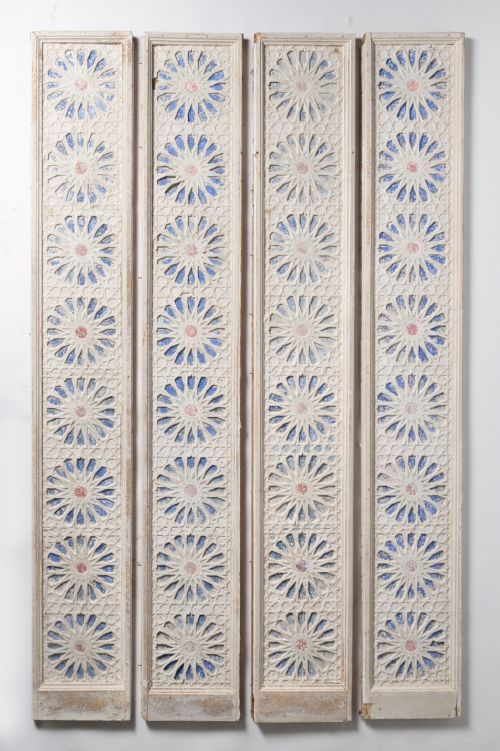
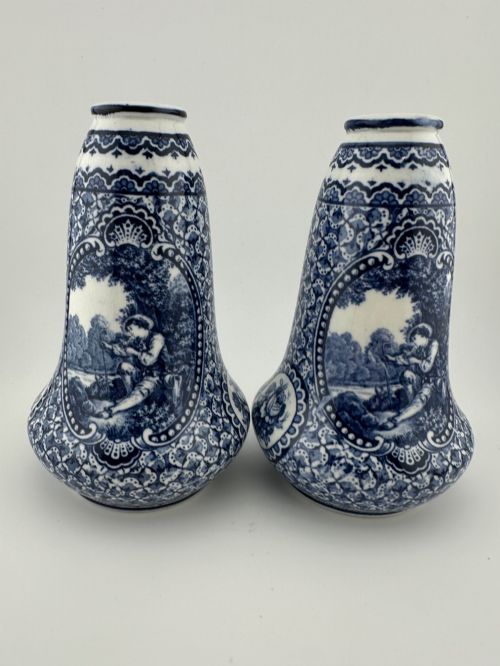
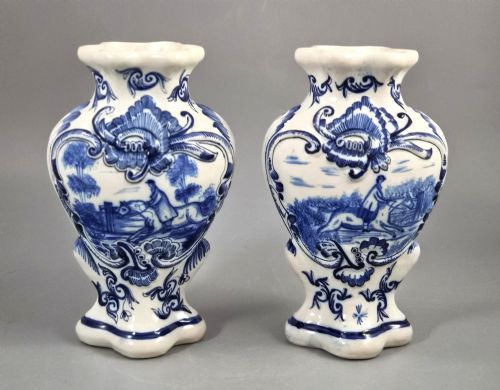
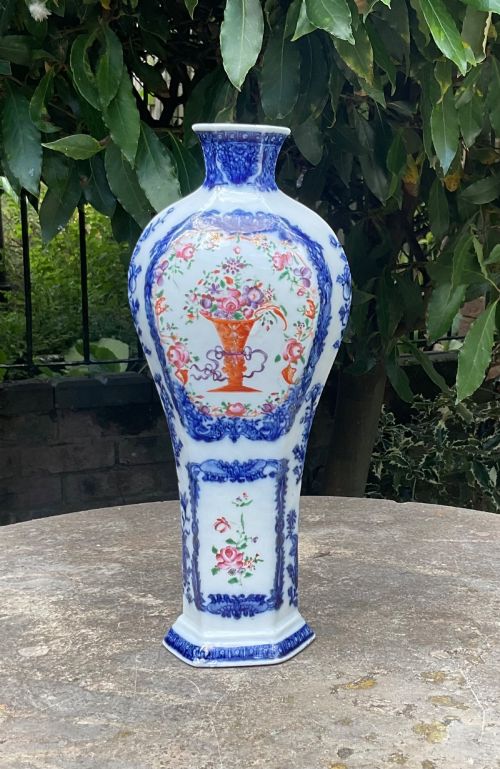
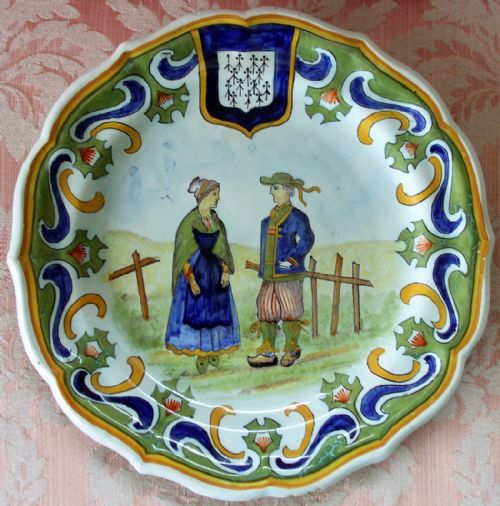
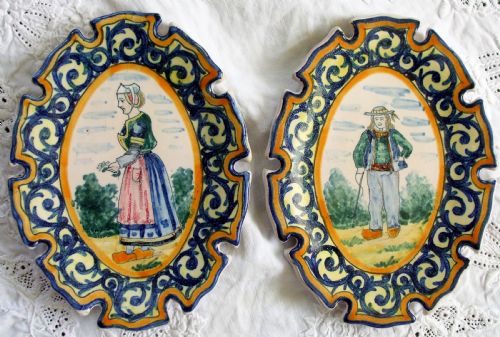
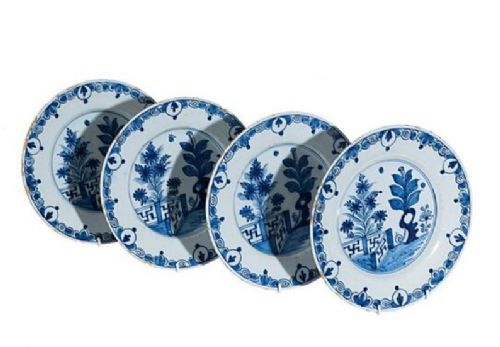
When you search for blue and white decor, you encounter a varied assortment of items ranging from earthenware pin trays and tin-glazed chargers to oil paintings and porcelain vases. The most frequent examples on this page are vessels and plates originating from the eighteenth and nineteenth centuries.
The objects cross several distinct regional traditions, including Dutch Delft earthenware, French faience, Chinese export porcelain, and English jasperware. These pieces were created for display in domestic interiors, serving as both utilitarian objects and decorative focal points.
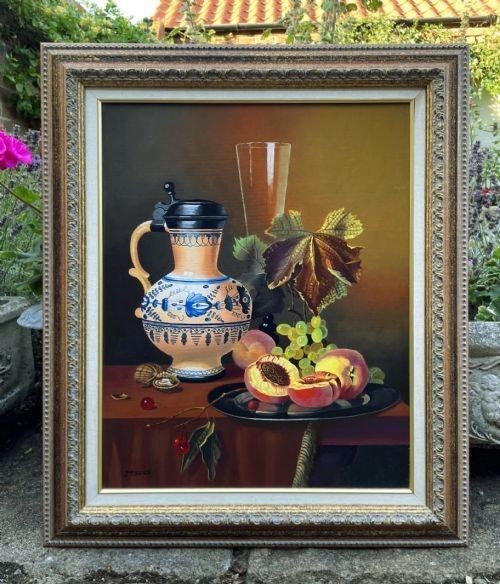
Makers utilised cobalt oxide to achieve the signature blue tones against white grounds, often drawing on styles such as Kangxi, Louis XVI revival, and Dutch still life. The inventory balances traditional ceramic forms with occasional paintings that incorporate blue and white vessels within their composition.
Materials and construction methods
Potters shaped ceramic, porcelain, earthenware, and faience bodies on the wheel or pressed them into moulds before applying tin-glaze or enamel glazes. Cobalt pigment was painted directly onto the porous surface or unfired glaze, reacting in the kiln to produce deep blue hues.
Wood and canvas support painted works, while glass pieces such as opal glass utilise applied coloured stripes to mimic ceramic palettes. Wedgwood pieces employed fine-grained jasperware clay bodies with contrasting applied white reliefs.
Glazing techniques varied from the thick tin-glazes of European earthenware to the translucent high-fired porcelain glazes of Asian and European factories. Firing temperatures dictated the final bond between the cobalt decoration and the underlying ceramic body.
Blue and White Decor Retail Price Guide 2026
Typical asking prices for blue and white decor among the pieces listed under this phrase on Sellingantiques today, from the lower quarter to the upper quarter. They describe what is for sale here now, not the wider market.
Several items double as inkwells, proving that past correspondents relied on cobalt blue landscapes while putting pen to paper.
Distinctions in quality and execution
Quality rests upon the precision of the hand-painted brushwork and the clarity of the cobalt pigment against the white background. Finer pieces display crisp lines, deliberate shading, and balanced compositions without bleeding or muddiness in the glaze.
The weight and refinement of the clay body also separate standard items from superior examples. Thinner, more translucent porcelain and evenly potted earthenware demonstrate higher technical skill in the moulding and firing stages.
Preservation of the original glaze surface, minimal kiln distortion, and crisp definition in moulded reliefs determine the desirability of individual pieces. Older works retain value through the historical integrity of their tin-glaze or enamel finishes.
Royal Bonn Franz Anton Mehlem·Fourmaintraux-Courquin·HR Quimper·Wedgwood·Loetz
The Blue and White Decor Glossary
- Cobalt oxide
- A metallic pigment used to produce the deep blue colour found under ceramic glazes. It withstands high kiln temperatures without burning away.
- Tin-glazed earthenware
- Pottery covered with a white glaze containing tin oxide, providing an opaque surface for painted cobalt decoration. It is characteristic of Delft and faience production.
- Jasperware
- A type of fine stoneware developed by Wedgwood, typically featuring a matte coloured body with applied white neoclassical reliefs. It is unglazed and vitrified.
- Faience
- European tin-glazed earthenware produced primarily in France and the Netherlands. The technique mimics Chinese porcelain using local clay bodies.
- Chinoiserie
- European artistic style reflecting Chinese motifs and decorative patterns. It appears frequently on eighteenth-century plates and plaques.
- Charger
- A large decorative plate intended for display on a wall or sideboard rather than for dining use. Many historical blue and white examples survive in this format.
Blue and White Decor: Frequently Asked Questions
How do I date antique ceramics?
Dating antique ceramics relies on identifying factory marks, glaze characteristics, and regional styles. Examining the composition of the clay body and the method of application also provides clues to the era of production.
Changes in raw materials and manufacturing techniques over the eighteenth and nineteenth centuries help specialists narrow down the period. Comparing decorative motifs against established historical styles further assists in verification.
How were tin-glazed pieces used?
Tin-glazed vessels and plates served both practical domestic purposes and decorative display functions. Items like inkstands and pin trays were utilised on desks and dressing tables.
Larger chargers and plaques were typically hung on walls or exhibited on dressers to showcase household refinement. Their durable glazed surfaces protected the porous earthenware body beneath.
How should I clean porcelain?
Cleaning antique porcelain requires gentle handling using lukewarm water and mild soap where necessary. A soft cloth prevents scratching the fragile glaze and any delicate overglaze enamel painting.
Harsh chemicals and abrasive sponges should be avoided to protect the historic surface integrity. Items with unglazed bodies or fragile repairs require strictly dry maintenance.
What makes Delftware distinctive?
Delftware is defined by its tin-glazed earthenware body painted with cobalt blue designs. It developed in the Netherlands as a European response to imported Chinese porcelain.
The style often incorporates landscapes, floral motifs, and maritime scenes rendered in fluid brushstrokes. Production spans from utilitarian tiles and plates to ornate desktop inkwells.