





Blue and Orange Platter
A blue and orange platter brings bold palettes and centuries of ceramic craft straight to the table or wall.
Blue and Orange Platter
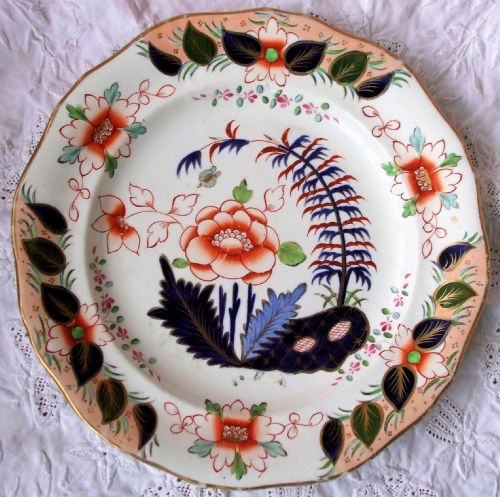
When you search for a blue and orange platter, you encounter large decorative chargers, wide plates, and ashets primarily originating from Japanese Imari workshops and English ironstone potteries. These pieces range from eighteenth-century delft chargers to late nineteenth-century Meiji period porcelain and Victorian tableware.
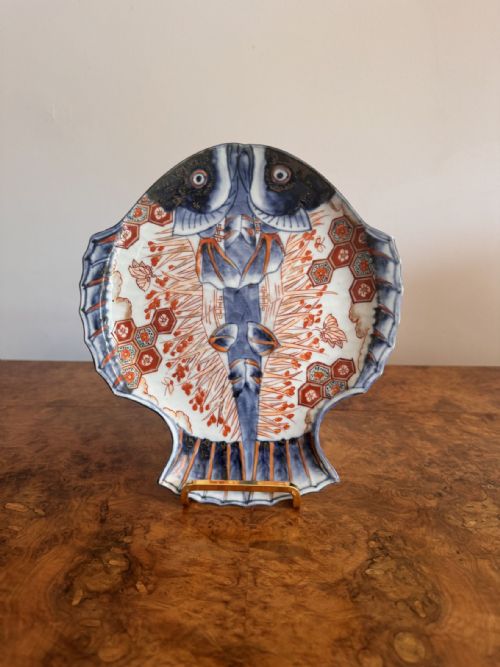
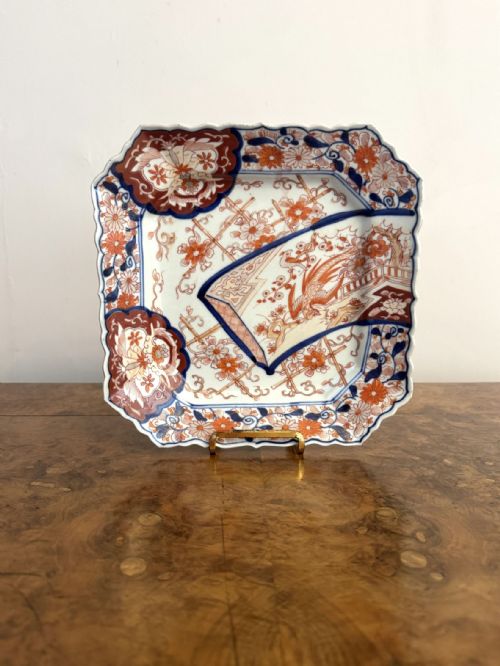
The most common form on this page is the Japanese Imari charger, alongside English interpretations utilising similar rich palettes on ceramic and ironstone bases. Shapes vary from traditional circular chargers to square, fan, oval, and fish forms.
Periods represented stretch from the late seventeenth and early eighteenth centuries through the Georgian and Victorian eras up to nineteen-twenty. Buyers will find both large display pieces and specialised serving dishes suited to decorative placement.
How they were made
Maker workshops utilised porcelain, ceramic, and ironstone bodies as the foundational structure for these platters. Potters shaped the clay by hand or mould before applying base layers and glazes.
Decoration relied on hand painted cobalt blue and orange enamel pigments, frequently enriched with gold leaf, gilt, and gilding. Firing fixed the polychrome glaze and metallic accents onto the ceramic surface.
Blue and Orange Platter Retail Price Guide 2026
Typical asking prices for blue and orange platter among the pieces listed under this phrase on Sellingantiques today, from the lower quarter to the upper quarter. They describe what is for sale here now, not the wider market.
Listings span from seventeenth-century Edo period pieces to twentieth-century examples, incorporating porcelain, ironstone, and enamel.
What varies in quality
Quality separates standard production wares from pieces displaying exceptional artistic control in the hand painted brushwork and composition of the blue and orange palette. The crispness of the underglaze blue paired with vibrant enamel and gilding distinguishes finer examples.
Unusual forms, such as fish, fan, or square shaped plates, demand greater skill from the potter and painter than standard circular chargers. The integrity of the glaze and the preservation of the applied gold leaf and enamel also determine the standing of each piece.
John Davenport of Longport·Mason
The Blue and Orange Platter Glossary
- Charger
- A large decorative plate traditionally used for display or formal service rather than daily dining. These substantial pieces anchor a table or wall arrangement.
- Imari palette
- A traditional decorative scheme featuring underglaze blue, iron red or orange, and gilt highlights. Originating in Japan, this aesthetic was widely copied by European potteries.
- Ashet
- A large serving platter or dish used for presenting meat or main courses at the table. The term is common in British and Scottish domestic contexts.
- Ironstone
- A heavy, durable type of ceramic patented in the nineteenth century to imitate porcelain. It provides a robust body for platters and heavy tableware.
- Meiji period
- The era in Japanese history spanning from eighteen-sixty-eight to nineteen-twelve, known for prolific porcelain production exported to Western markets.
Blue and Orange Platter: Frequently Asked Questions
What is an Imari charger?
An Imari charger is a large ornamental plate decorated in a distinctive palette of blue, orange, and gilt. These pieces were produced in Japan for export and later imitated by European potteries.
They function primarily as wall plates or centrepiece displays rather than everyday tableware.
How do I display a large platter?
Large platters and chargers mount securely on walls using specialist plate hangers or sit upright on heavy-duty plate stands. Ensure the mount supports the full diameter and weight of the ceramic.
Positioning them away from direct sunlight protects the enamel and gilt decoration over time.
How do I date an antique platter?
Dating relies on identifying the ceramic body, glaze characteristics, and painting style recorded in the listing details. Japanese pieces often align with specific periods such as the Edo or Meiji eras.
English ironstone and delftware exhibit distinct weight, crazing patterns, and backstamps corresponding to nineteenth or eighteenth-century manufacturing methods.
Were these platters used for food?
While some forms like ashets and large serving dishes held food during formal meals, many decorative chargers were made strictly for visual display. Eighteenth and nineteenth-century households often placed them on sideboards or hung them on walls.
Examining the surface wear and glaze condition helps indicate whether a piece saw active dining service.