


Blown Glass Pitcher
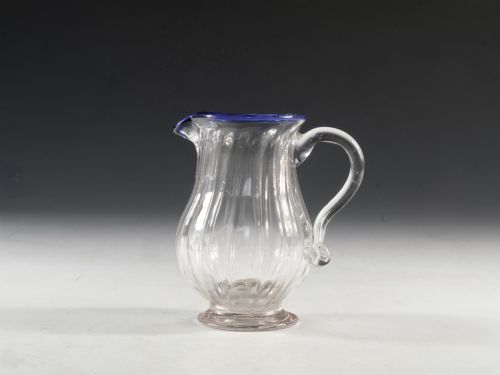
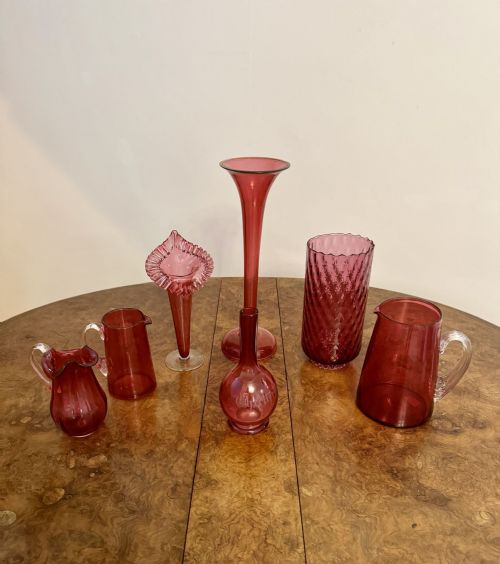
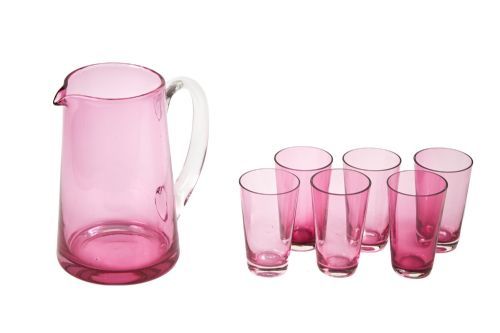
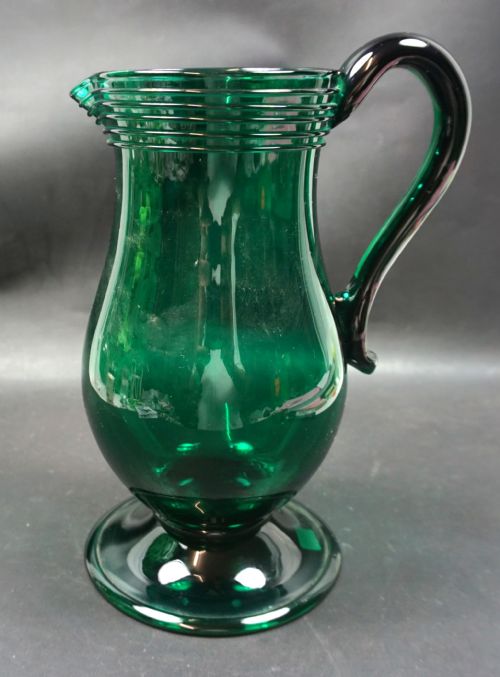
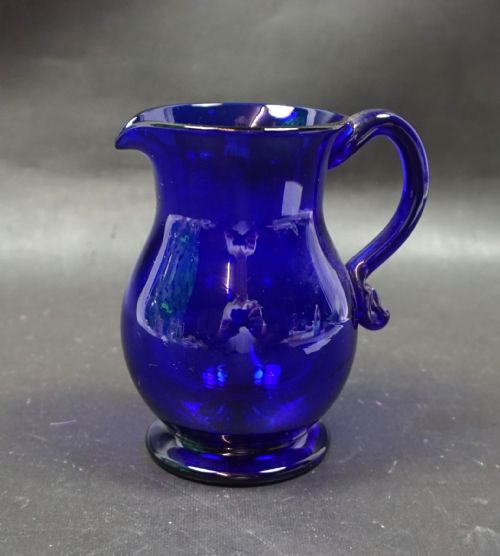
These pieces of blown glass pitcher range from Victorian cranberry glass to Georgian cream jugs, prized for their rich colour and traditional craftsmanship.
Blown Glass Pitcher
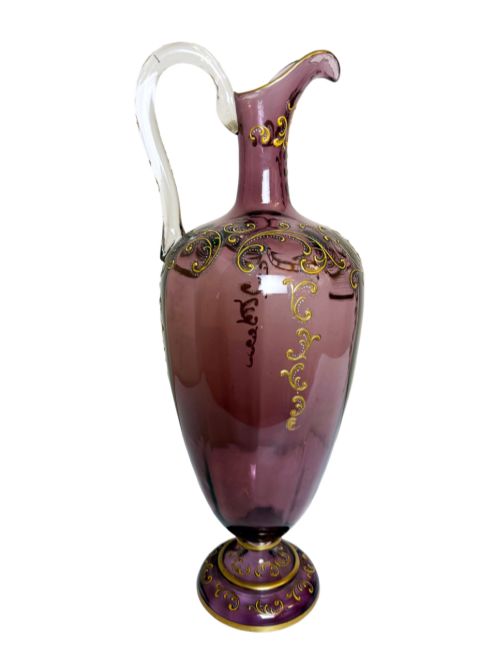
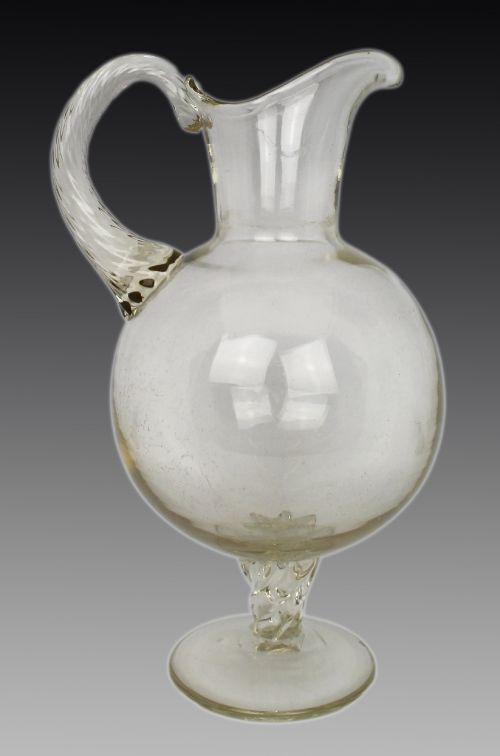
When you search for a blown glass pitcher, you encounter functional vessels and decorative ewers spanning the eighteenth, nineteenth, and early twentieth centuries. The selection includes vibrant cranberry glass, deep blue Bristol glass, and clear lead crystal forms suited to pouring wine, water, or cream.
Victorian pieces dominate the offerings, frequently appearing alongside Georgian jugs and late nineteenth-century Italian and French examples. Forms vary from simple cream jugs with folded feet to large decanters, claret jugs, and elaborate ewers with applied trail rims.
How they were made
Makers utilised free-blowing and mold-blowing techniques to shape clear, coloured, and lead glass into fluid vessels. Artisans achieved distinctive hues such as cranberry and amber through specific metallic oxide additives in the molten batch.
Decoration involved hand-painting, gilt applique, enamel work, and the application of contrasting glass threads, trails, and latticinio patterns. Details like folded feet and applied handles required precise thermal control during shaping.
Some nineteenth-century makers moulded glass into the surprising shape of a dog to hold your claret.
What varies in quality
Quality rests upon the skill evident in the vessel's form, the clarity or depth of the glass colour, and the execution of surface decoration. Pieces featuring delicate hand-painted enamel, intricate gilt work, or complex optical blown patterns demonstrate superior workshop standards.
The weight of the metal and the precision of applied elements such as handles, trails, and feet distinguish standard production items from finer collector pieces. Intact gilding and crisp enamel details elevate the standing of nineteenth-century examples.
The Blown Glass Pitcher Glossary
- Blown glass
- Glass shaped by inflating molten metal on the end of a blowpipe. This foundational technique creates hollow vessels with varied wall thicknesses and characteristic pontil marks.
- Cranberry glass
- Transparent red-pink glass coloured with gold chloride. Popular during the Victorian era, it appears frequently in jugs, decanters, and tableware sets.
- Ewer
- A large jug with a wide spout and a looped handle, traditionally used for holding water or wine. Many antique examples serve decorative functions.
- Latticinio
- Decorative glassware incorporating opaque white glass threads twisted within clear glass. This technique produces delicate net or ribbon patterns.
- Trail rim
- Molten glass applied as a thin thread around the edge of a vessel opening. It provides both reinforcement and visual contrast.
Blown Glass Pitcher: Frequently Asked Questions
How do I date a blown glass pitcher?
Dating relies on stylistic markers, pontil mark characteristics, and material colour trends typical of specific decades. Georgian and Victorian pieces show distinct forming methods and decorative motifs.
Examining the base for a polished or rough pontil scar helps place the piece within the eighteenth or nineteenth century.
What is cranberry glass?
Cranberry glass is a pinkish-red transparent material created by adding gold to the glass batch during melting. It became highly fashionable for domestic glassware in the Victorian period.
Makers combined this vibrant glass with clear handles, applied trails, and enamel decoration.
How were these pitchers used historically?
These vessels served functional roles at the dining table for pouring wine, water, cider, and cream. Claret jugs and decanters held alcoholic beverages for formal meals.
Many survived as part of matching drinkware sets or decorative glassware collections.
Are these pitchers safe for daily use?
While structurally sound, antique blown glass requires careful handling due to its age and delicate applied elements. Hand washing in lukewarm water preserves fragile enamel and gilt decoration.
Sudden temperature changes can damage nineteenth-century lead glass and thermal-shocked vessels.