
Blonde Wood Table
A blonde wood table brings warmth to a room through lighter timber tones found across nineteenth-century and twentieth-century designs.
Blonde Wood Table
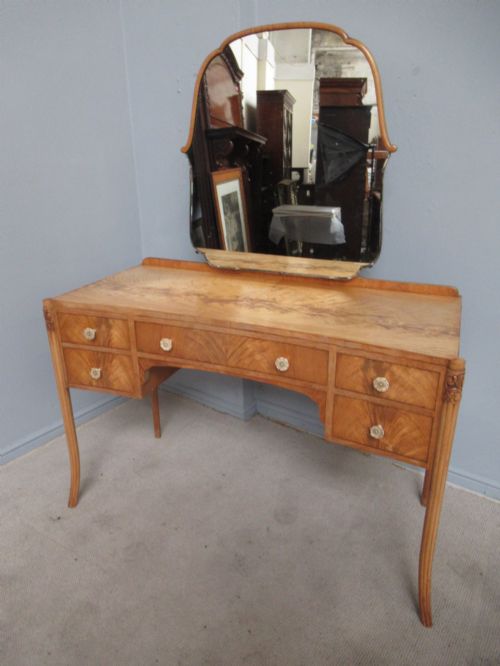
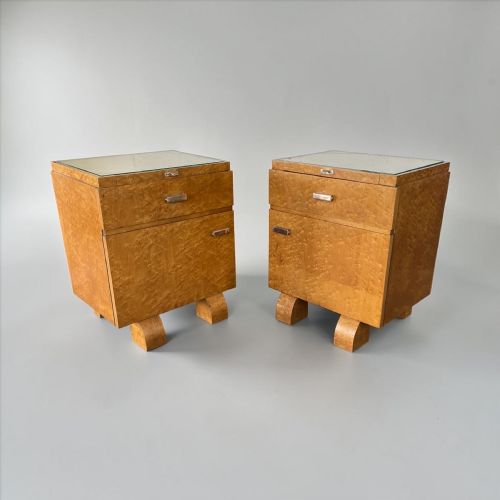
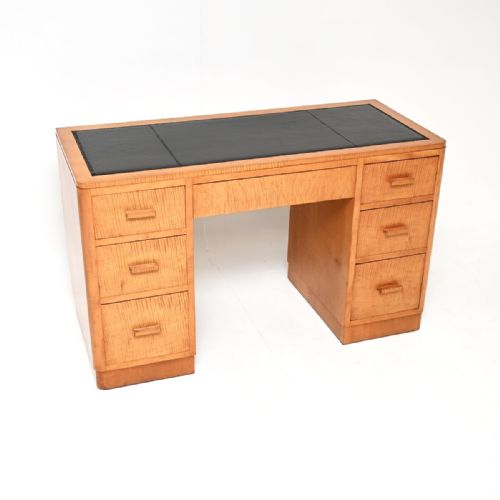
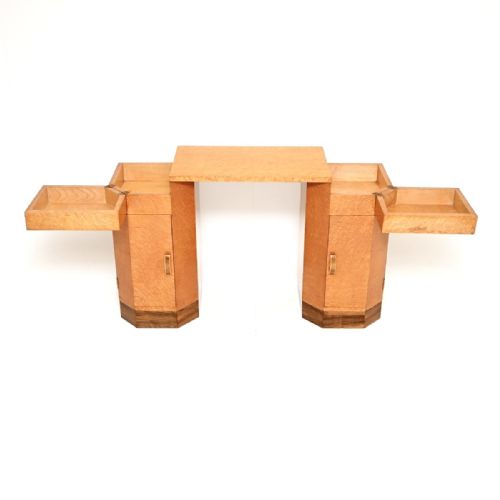
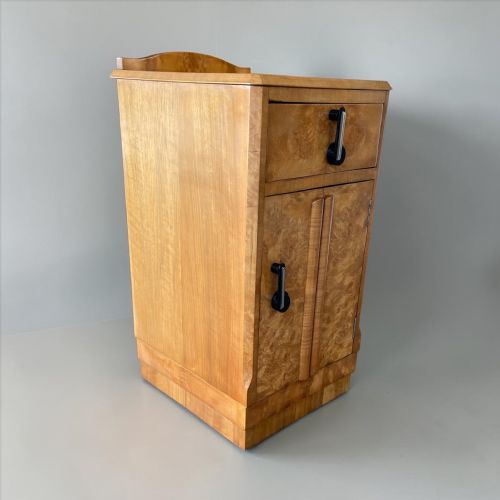
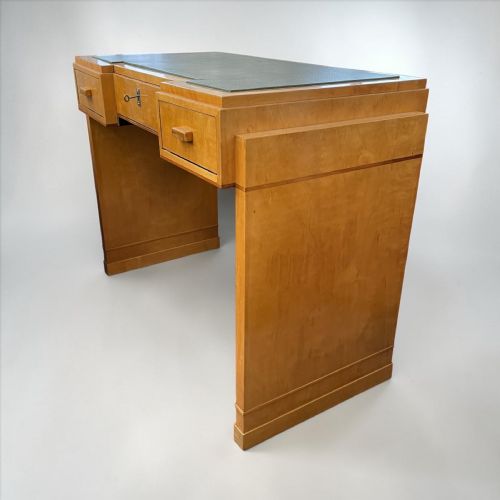
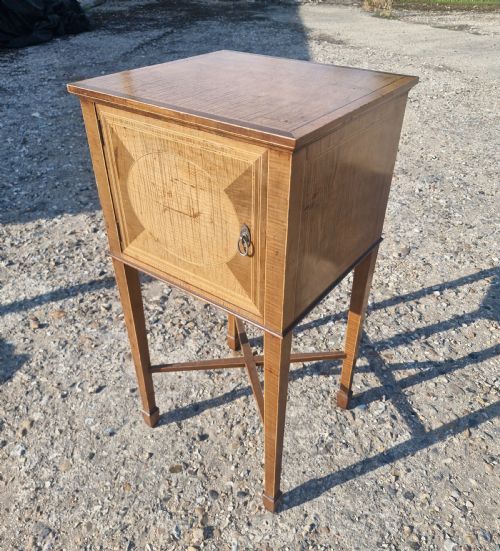
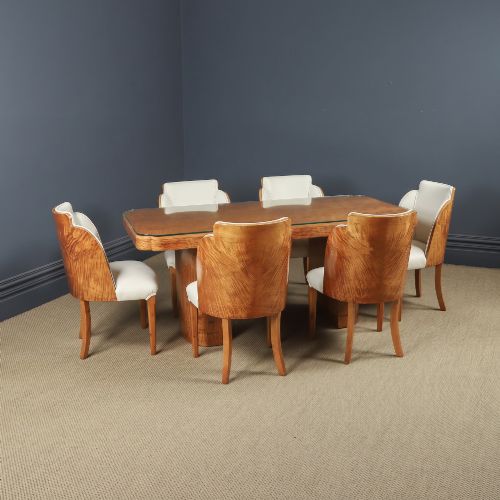
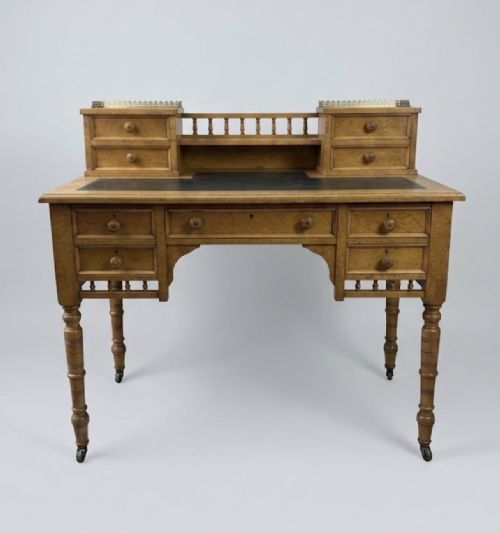
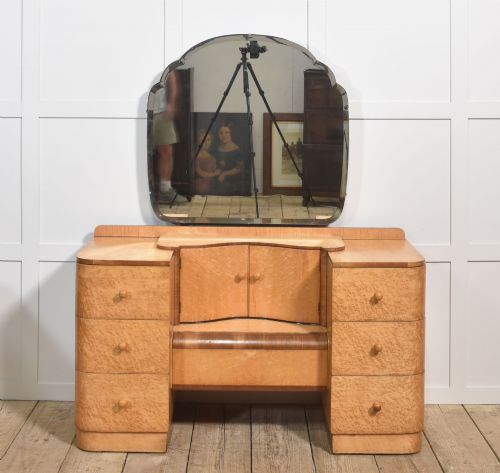
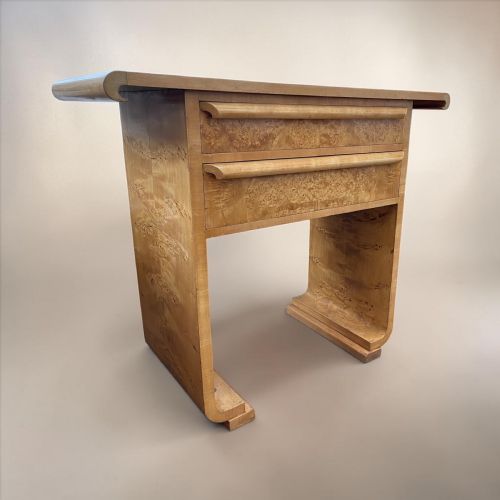
When someone searches for a blonde wood table, they encounter a range of forms spanning compact bedside furniture to large dining suites. The selection relies heavily on twentieth-century pieces, particularly Art Deco desks and dressing tables utilising pale timbers.
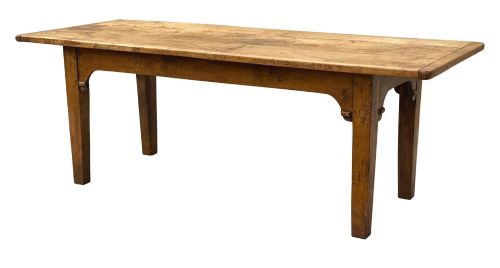
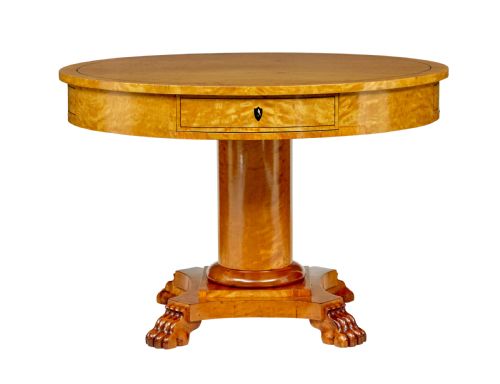
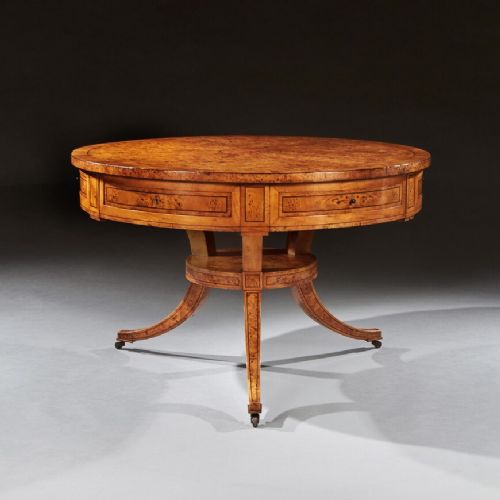
Nineteenth-century examples also appear, taking the shape of Swedish centre tables, French provincial farmhouse designs, and occasional tables. These items utilise lighter woods like birch, sycamore, and maple rather than darker traditional mahoganies.
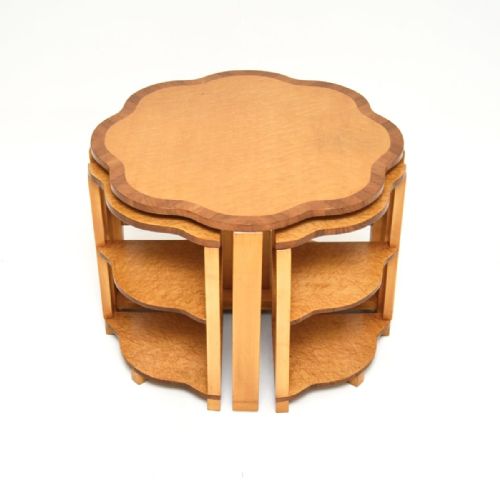
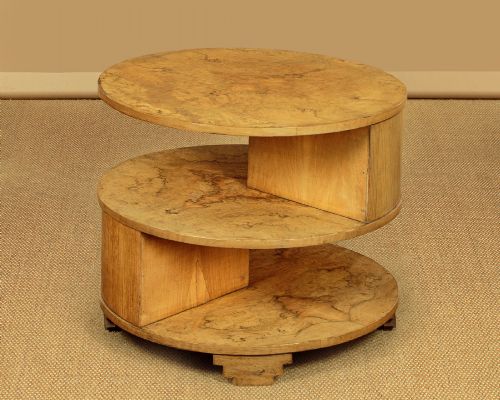
Forms include coffee tables, console tables, and pedestal desks, alongside specialised items like nesting tables and drum tables. The variety covers both domestic utility pieces and grand dining room furniture.
How they were made
Makers utilise specific blonde timbers such as birds eye maple, satin birch, sycamore, and karelian birch to achieve the distinct pale aesthetic. These woods are selected for their natural grain patterns and light colouration.
Techniques combine traditional cabinet making with decorative veneers, allowing craftsmen to display the figuring of burr root maple and satinwood across table tops and desk fronts. Brass and leather often complement the timber surfaces on desks and tables.
Materials span birch, maple, sycamore, and elm, combined occasionally with brass and leather details.
What varies in quality
Quality depends upon the selection of timber veneers and the precision of the cabinet work, particularly in twentieth-century production where matching grain patterns across large surfaces requires considerable skill. Maker attributions or stamps from established firms distinguish standard commercial items from superior workshop output.
The condition of the timber surface and the integrity of structural joins dictate the standing of each piece. Superior examples maintain their original finish and show thoughtful detailing in mounts, handles, and leather inserts.
Morant And Co·Fortnum And Mason·Hille·Harry And Lou Epstein·Heal And Son
The Blonde Wood Table Glossary
- Birds Eye Maple
- A figure in maple wood that resembles tiny swirling eyes caused by local depressions in the growing rings. This figuring appears frequently on Art Deco desks and tables.
- Biedermeier
- A central European style spanning the nineteenth century characterised by utilitarian comfort and clean lines that highlight blonde wood veneers. Pieces from this movement often use birch and ash.
- Pedestal Desk
- A flat-topped writing table supported by two pillars of drawers or cupboards. Examples in the current selection use satin birch and maple.
- Centre Table
- A freestanding table designed to be viewed from all sides and placed in the middle of a room. Nineteenth-century Swedish examples in birch are typical.
- Sycamore
- A hard white or pale yellow timber used for farmhouse dining tables and dressing table components. It provides a durable and light surface.
Blonde Wood Table: Frequently Asked Questions
What woods make up a blonde wood table?
Pieces utilise timbers such as maple, birch, sycamore, and satinwood. These woods provide the natural pale tone characteristic of the category.
Craftsmen select these materials for their distinctive grain patterns, including birds eye and burr variations, which add texture to the light surfaces.
Are these tables suitable for modern dining rooms?
Dining tables and suites from the selection integrate easily into contemporary interiors due to their neutral tones. The clean lines of the Art Deco period suit modern spaces particularly well.
Matching chairs often accompany these dining tables, offering a complete setup for daily use.
How do I identify an Art Deco table?
Art Deco pieces typically display geometric symmetry, streamlined forms, and polished blonde veneers like birds eye maple or satin birch. They often date from around nineteen thirty.
Maker attribution stamps or distinct construction methods can further verify the period and origin of these items.
Where were Swedish blonde wood tables made?
Nineteenth-century pieces originate from Scandinavian workshops where birch was readily available. These include circular centre tables and oval designs.
The regional preference for light timber creates the pale aesthetic seen in Swedish neoclassical and Biedermeier furniture.