




Bleeding Sheffield Plate
Bleeding sheffield plate items are fused metal domestic and dining wares that deliver the dual lustre of silver and the warmth of copper.
Bleeding Sheffield Plate
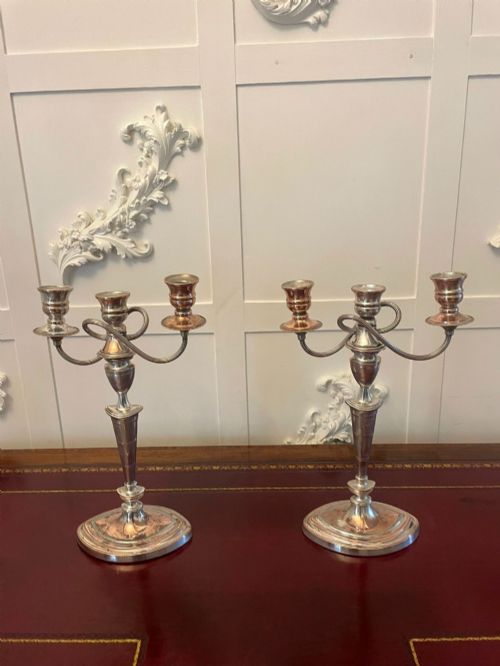
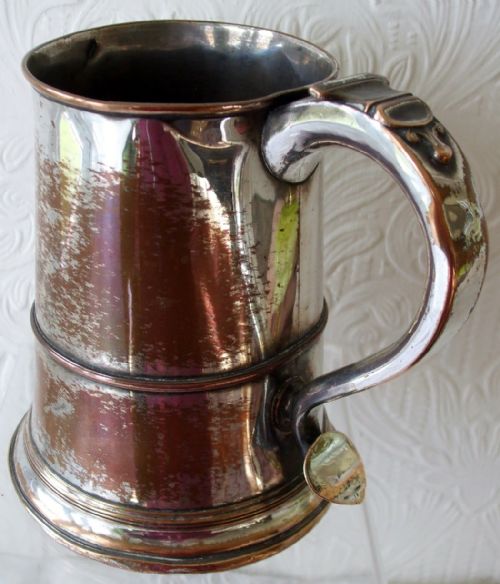
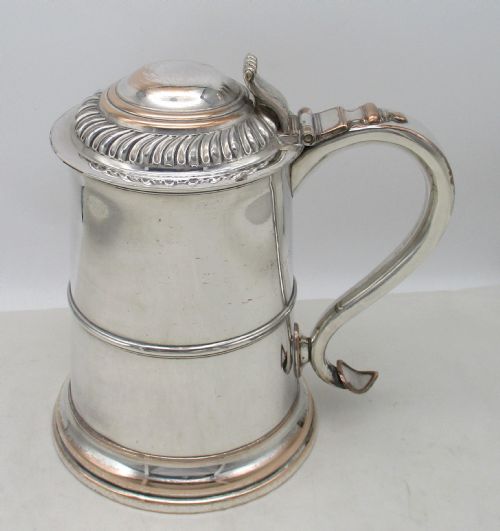
When you search for bleeding sheffield plate, you encounter functional serving vessels and lighting pieces created primarily during the Georgian and Victorian eras. These items span domestic necessities such as tankards, mugs, goblets, and wine coolers alongside lighting options like candlesticks and candelabra.
You are most likely to meet Georgian and Victorian examples fashioned from silver plate on copper. These range from substantial quart tankards dating to the eighteenth century through to ornate telescopic candlesticks from the mid-nineteenth century.
How they were made
The technique relies on fusing a thin sheet of silver to a thicker base of copper, creating a composite material that mimics solid silver without the prohibitive cost. Artisans then shaped this fused metal into sturdy drinking vessels and decorative lighting forms.
Makers utilised copper as the foundational substrate, applying silver plate or old sheffield plate over the surface. Working with these metals required precise control during the heating and rolling stages to ensure a durable bond between the layers.
These pieces hold drinks just as well now as they did when Georgian squires argued about tax rates over a pint tankard.
What varies in quality
The distinction between standard domestic items and superior examples lies in the weight of the underlying copper and the thickness of the applied silver layer. Heavier gauge metalwork provides greater substance in the hand, particularly noticeable in tankards and wine coolers.
Execution of decorative detail also separates tiers of production, visible in the crispness of casting on ornate candelabra bases versus simpler utilitarian mugs. Proportion and balance in paired items, such as matching candlesticks, dictate the overall success of the piece.
The Bleeding Sheffield Plate Glossary
- Old Sheffield Plate
- A composite material formed by fusing silver to a copper core. This method predates modern electroplating techniques.
- Salver
- A flat tray used for serving drinks or presenting items, typically manufactured in silver plate during the Georgian period.
- Candelabra
- A branched candlestick holder designed to support multiple candles. These often feature decorative Sheffield plating.
- Wine Cooler
- A vessel intended to chill wine bottles, frequently produced with substantial copper and silver plate construction.
Bleeding Sheffield Plate: Frequently Asked Questions
What is bleeding sheffield plate?
Bleeding sheffield plate refers to items made through the traditional fusion of silver and copper. Over time and through polishing, the underlying copper can show through the silver layer.
This characteristic gives the material its name and reveals the warm copper tone beneath the worn silver surface on older pieces.
How do I date these items?
Dating relies on stylistic clues, structural forms, and the specific composition of the metal layers. Georgian pieces often display simpler, cleaner lines compared to Victorian variants.
Victorian items frequently exhibit heavier ornamentation and distinct manufacturing marks that help place them within the nineteenth century.
How were these objects used?
These pieces served practical functions in dining and entertaining rooms across British households. Tankards, mugs, and goblets held drinks at the table during meals.
Candlesticks and candelabra provided essential illumination for evening gatherings before the widespread adoption of gas and electric lighting.
How do I care for silver plate?
Maintenance requires gentle cleaning with non-abrasive cloths and dedicated silver cleaning products designed for plated items. Vigorous rubbing must be avoided to protect the thin outer layer of silver.
Preserving the surface safeguards the delicate balance between the bright silver finish and the warm copper tones beneath.