

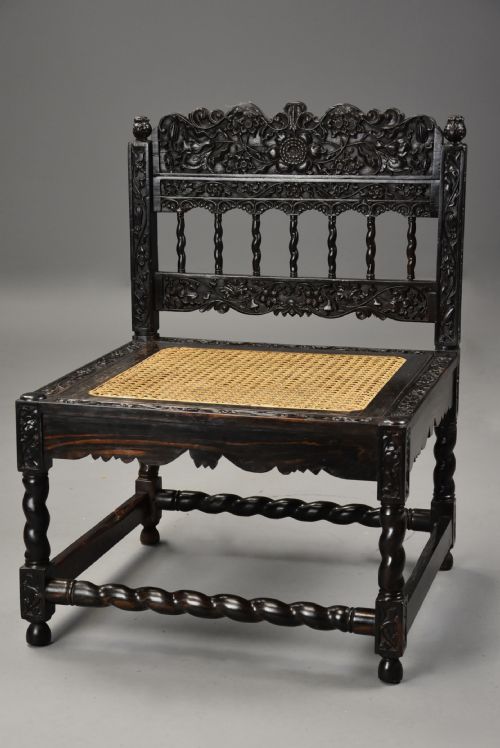


Black Wooden Cane
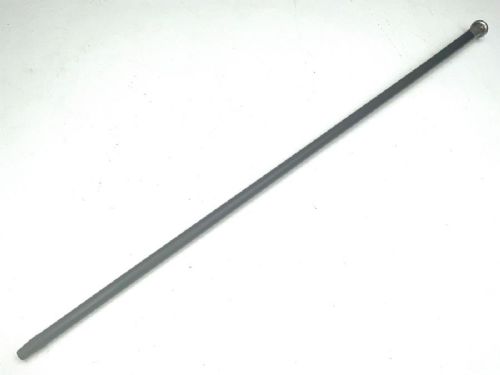
A black wooden cane brings together dark timber, silver and horn in walking sticks and chairs dating from the seventeenth century onwards.
Black Wooden Cane
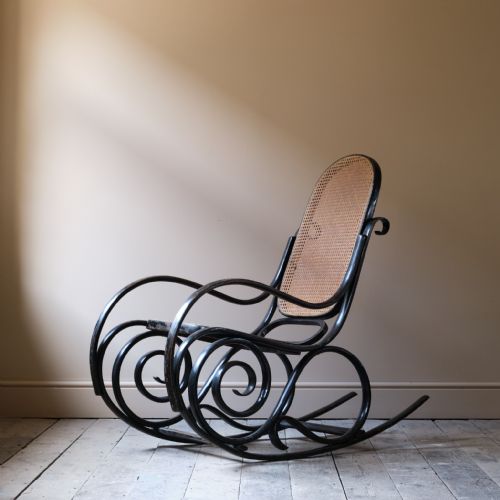
When you search for a black wooden cane, you encounter walking sticks alongside ebony, ebonised and caned seating from periods spanning the seventeenth to the twentieth century.
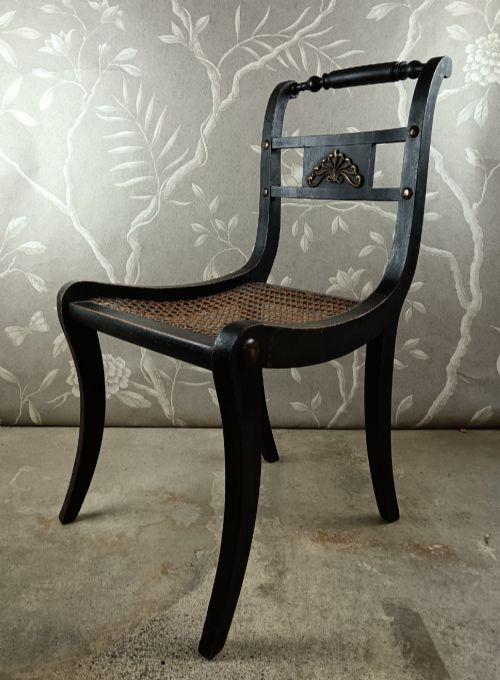
The items range from carved Black Forest bear stick stands and silver-handled walking sticks to Regency ebonised side chairs and solid ebony armchairs.
Victorian and Edwardian examples dominate the walking stick selection, while earlier pieces extend into seventeenth-century Coromandel Coast craftsmanship.
Defining quality in dark timber and sticks
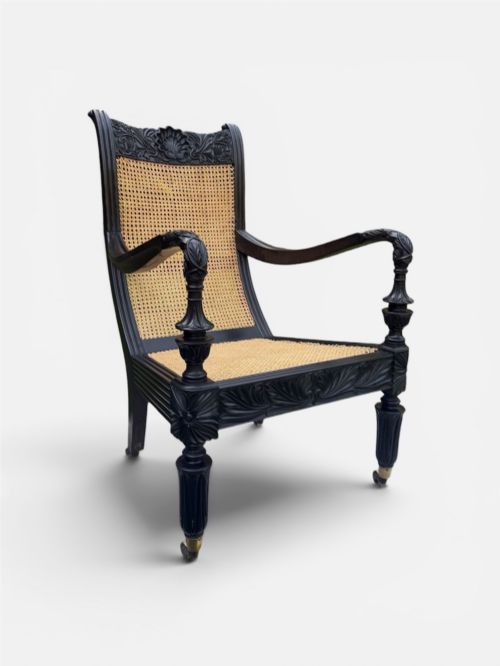
Quality rests in the depth of the carving, seen clearly in the detailed animal forms of Black Forest stands and the intricate foliage of Ceylonese armchairs.
The integrity of the original wood, whether solid ebony or ebonised oak, alongside the preservation of silver mounts and horn handles, dictates the standing of each piece.
Structural firmness in caned seats and mechanical precision in sword sticks separate ordinary utility items from finer workshop output.
German Shepherd dogs and bears stand ready in carved Black Forest wood to hold walking sticks.
The Black Wooden Cane Glossary
- Ebonised
- Wood treated to take on the dark, dense appearance of ebony. This finish appears frequently on Regency chairs and later walking sticks.
- Cane
- Plant material woven to form flexible seating panels, or a shaft used for walking. Both uses appear across the listed furniture and sticks.
- Black Forest
- A nineteenth-century carving style originating in Central Europe, known for realistic animal subjects. Bears feature prominently in these stick stands.
- Solid Ebony
- A heavy, dark tropical hardwood used for seventeenth and nineteenth-century chairs from India and Ceylon. It requires no surface ebonising.
- Sword Stick
- A walking stick concealing a blade within its wooden shaft. Examples include Masonic and gents variants from the early twentieth century.
Black Wooden Cane: Frequently Asked Questions
What periods do these pieces cover?
The selection spans from the seventeenth century through the Regency and Victorian eras up to the twentieth century.
Most walking sticks and seating cluster in the nineteenth and early twentieth centuries, reflecting active periods of manufacture.
How are ebony and ebonised wood different?
Solid ebony is a naturally dense, dark timber utilised for heavy armchairs and carved seating from regions like the Coromandel Coast.
Ebonised wood is typically oak, beech or another lighter timber stained or painted black to imitate true ebony.
What types of walking sticks exist here?
Options include silver-handled walking sticks, Irish blackthorn sticks, timber flute sticks, and golf club shapes.
Several variants conceal internal sword blades with specific grips such as hammer heads or Masonic markings.
Where do the carved armchairs originate?
The heavily carved solid ebony armchairs originate from the Coromandel Coast of India and Ceylon, dating back to the seventeenth and nineteenth centuries.
European workshops also produced Black Forest animal-themed seating and umbrella stands during the Victorian period.