



Black Wooden Cabinet
When you search for a black wooden cabinet, you are looking at dark, stately storage furniture spanning centuries and global workshops.
Black Wooden Cabinet
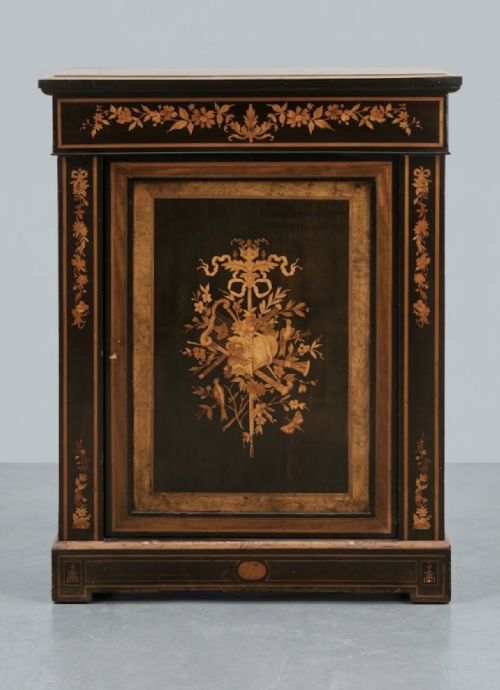
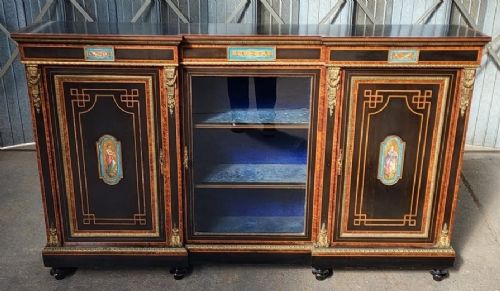
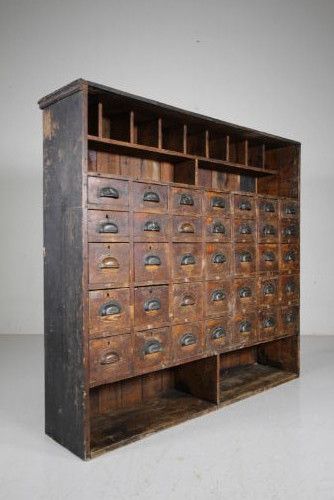
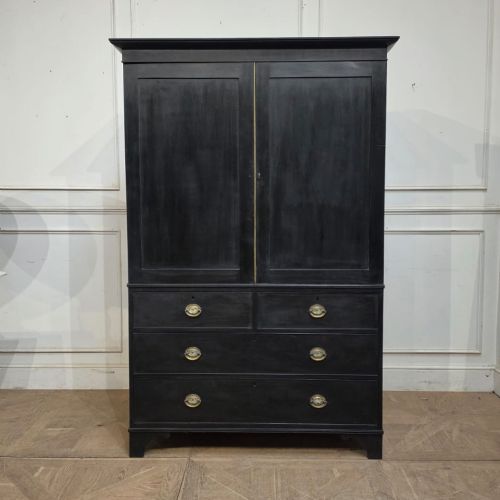
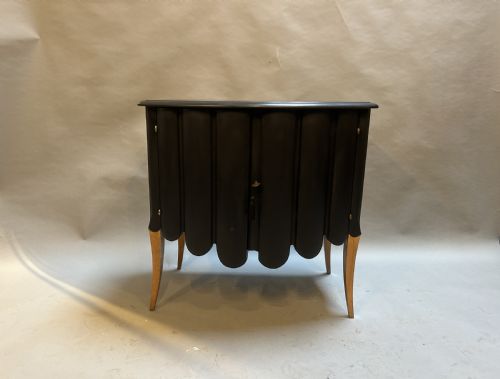
A black wooden cabinet encompasses a diverse range of dark storage forms, from Victorian ebonised credenzas and side cabinets to 18th-century Flemish table caskets. These pieces serve practical storage roles while making a strong visual statement through their dark finishes.
The most common examples you will encounter on this page date from the 19th century and the Victorian era, often featuring ebonised wood or black lacquer. Side cabinets, bookcases, and table cabinets dominate the selection, reflecting domestic needs for display and organisation across past decades.
How they were made
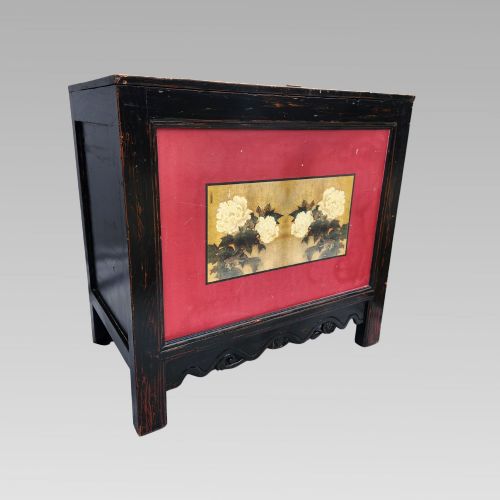
Craftsmen built these pieces using primary timbers such as pine, oak, and walnut, frequently applying ebonisation techniques or black paint to imitate costly ebony. Surface decoration often involved brass mounts, ormolu, inlay, and intricate floral chinoiserie.
Workshop methods varied from European ebonising and parquetry to traditional Asian lacquering techniques on items like Japanese tansu chests and Chinese storage trunks. Glass and iron components appear alongside wood to form glazed display doors and secure hardware.
The furniture selection spans European side cabinets and Asian tansu chests utilising glass, iron, and ebony.
What varies in quality
Quality separates through the integrity of the timber preparation and the precision of surface finishes, such as hand-applied ebonisation or detailed lacquer work. Finer examples display superior joinery and original decorative elements like ormolu mounts or intricate parquetry.
Henry Ogden and Son·Hutchings of Aberystwyth
The Black Wooden Cabinet Glossary
- Ebonised wood
- Timber treated with stain, dye, or polish to simulate the dark, dense appearance of genuine ebony. This finish gained immense popularity during the Victorian period for accentuating classical forms.
- Credenza
- A low dining room side cabinet used for serving food and displaying silver or glassware. Victorian examples frequently incorporate glazed doors and intricate marquetry.
- Tansu
- Traditional Japanese mobile storage cabinetry constructed for domestic organisation and travel. These chests feature robust iron hardware and modular compartments.
- Ormolu
- Gilded bronze ornamentation applied to the surface of fine furniture. Makers used these metallic mounts to highlight the architectural lines of 19th-century cabinets.
- Parquetry
- Geometric mosaic woodwork arranged in decorative patterns across furniture surfaces. It requires precise cutting of contrasting timber veneers.
Black Wooden Cabinet: Frequently Asked Questions
What is ebonised wood?
Ebonised wood is ordinary timber treated to achieve the deep, black lustre of genuine ebony. Makers utilised this finish extensively during the 19th century to create formal, dramatic furniture.
This technique allowed cabinetmakers to produce high-style items without relying solely on scarce tropical hardwoods. It provides a durable, uniform black surface that highlights decorative brass mounts and inlay.
What is the difference between a credenza and a side cabinet?
A credenza is traditionally a low, long sideboard designed for dining rooms, often featuring enclosed cupboards and display sections. Side cabinets generally offer more varied vertical proportions and flexible storage.
Both forms served domestic storage needs in the 19th century. Credenzas typically emphasise symmetrical breakfront designs and extensive surface decoration.
How do I date a black wooden cabinet?
Dating relies on examining construction methods, timber types, and stylistic indicators such as Victorian ebonisation or Art Deco geometry. Hardware styles and secondary woods hidden inside drawers also offer chronological clues.
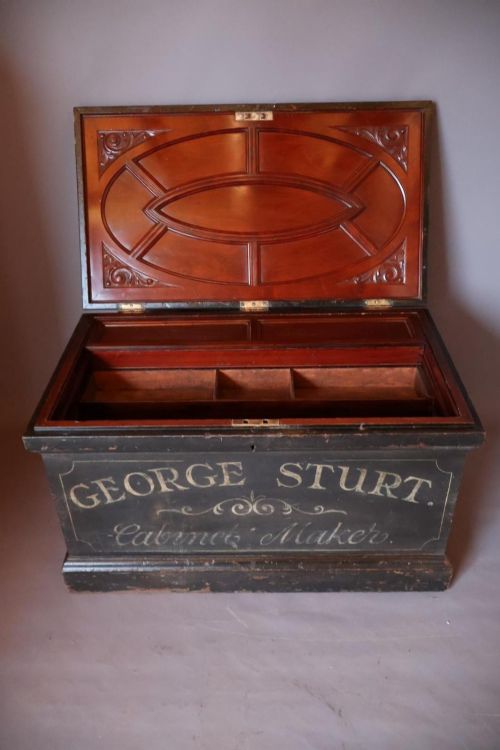
Comparing the decorative motifs against documented periods helps narrow down the decade of manufacture. Original labels or maker stamps provide the most precise dating evidence.