



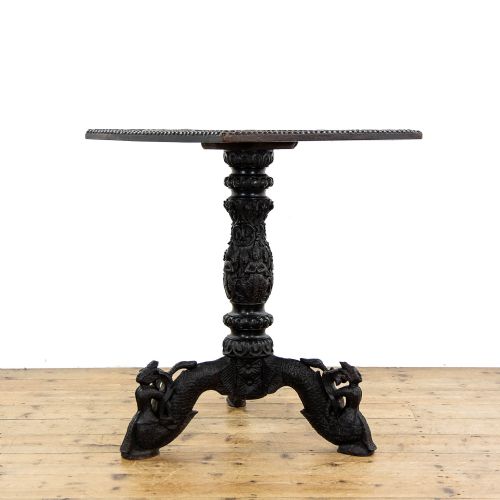
Black Wood Plant Stand
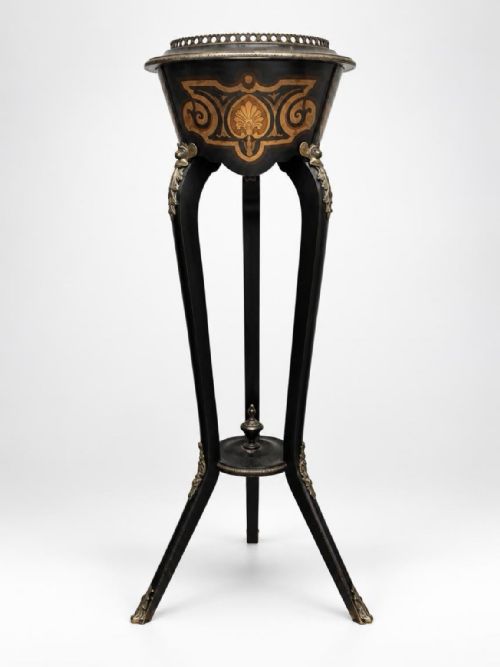
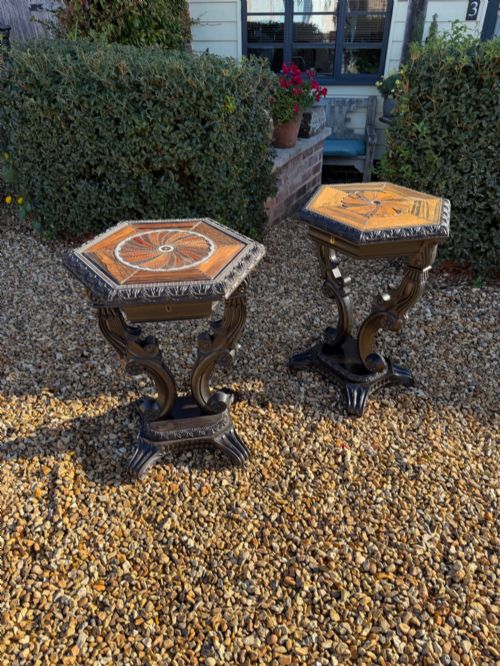
A black wood plant stand brings dark, sculptural presence to a room, lifting greenery or sculpture on ebonised and carved surfaces.
Black Wood Plant Stand
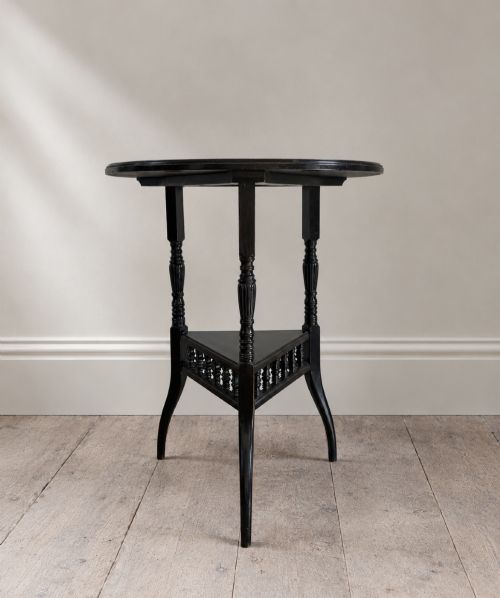
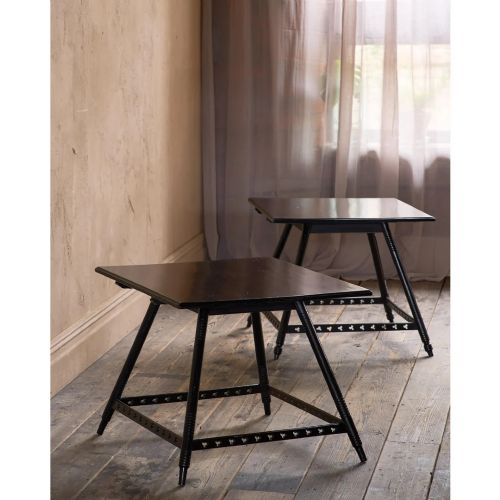
A black wood plant stand spans a diverse range of forms designed to elevate botanicals, sculpture, and lighting within interior spaces. The selection on this page relies heavily on nineteenth-century and early twentieth-century examples, drawing from Victorian, Arts and Crafts, and Aesthetic Movement design principles.
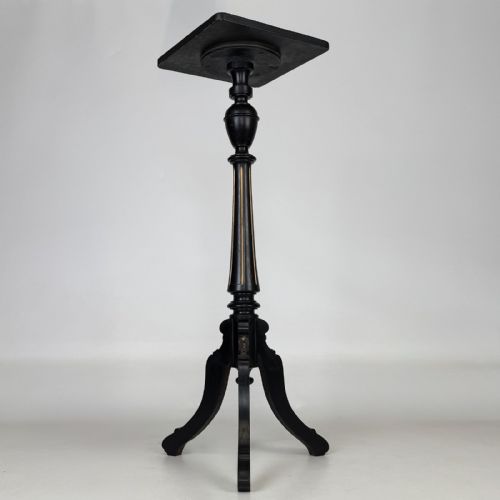
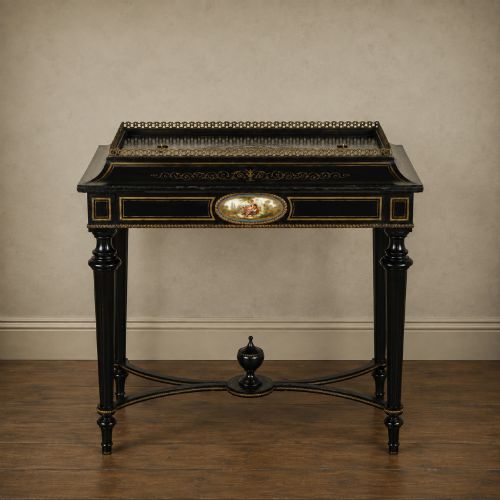
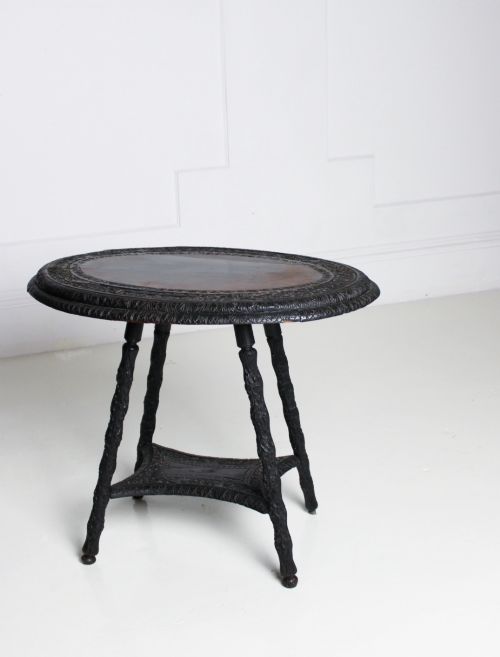
Makers and workshops produced these supports in varied configurations, including tall torcheres, low side tables, jardiniere stands, and figurative pedestals. Asian and colonial influences appear frequently, alongside European iterations featuring distinct regional carving and inlay traditions.
Maturity in the timber and complexity in the carving define the physical presence of these stands. Buyers encounter sturdy structural forms alongside intricately detailed display surfaces intended to anchor focal points in a room.
How they were made
Makers utilised ebonised wood, hardwood, and solid ebony to achieve deep dark surfaces, often pairing the primary timber with brass mounts, bone inlay, or painted porcelain plaques. Chip carving, hand-carved motifs, and marquetry surface treatments require significant manual labour from skilled artisans.
Structural integrity relied on traditional joinery methods suited to supporting heavy stone, ceramic, or metallic planters. Surfaces received polished or lacquered finishes to protect the wood while accentuating the dense grain and carved details.
Black Wood Plant Stand Retail Price Guide 2026
Typical asking prices for black wood plant stand among the pieces listed under this phrase on Sellingantiques today, from the lower quarter to the upper quarter. They describe what is for sale here now, not the wider market.
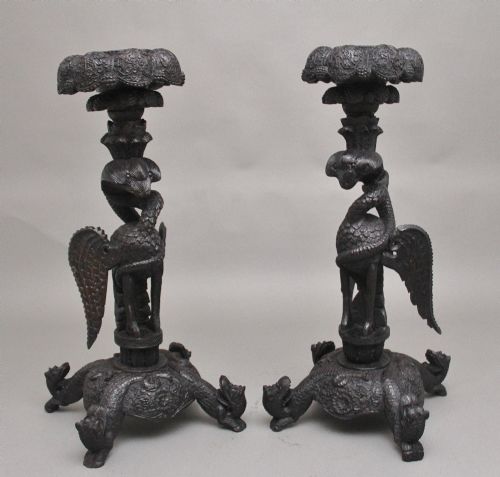
Carved wooden elephants and crouching figures support tabletops with unwavering patience.
What varies in quality
The refinement of the carving distinguishes standard production from exceptional examples, particularly in figurative supports and intricate floral motifs. Crisp edges in chip-carved elements and precise execution of bone or metal inlay indicate superior craftsmanship.
The choice of materials dictates durability and visual depth, with dense hardwoods and solid ebonised timbers outperforming softer substitutes. Original mounts, intact ceramic plaques, and stable structural joinery preserve the integrity and collectible standing of each piece.
Liberty of London
The Black Wood Plant Stand Glossary
- Ebonised
- Wood treated with a dark stain or finish to imitate true ebony. This process became widespread during the Victorian era to achieve a sleek, dramatic aesthetic.
- Torchere
- A tall, slender stand designed to hold a lamp, candle, or small plant. These pieces often feature decorative turned columns or figurative carving.
- Jardiniere
- A decorative pot or stand for holding plants and flowers. Interior examples frequently incorporate waterproof liners or inset porcelain plaques.
- Marquetry
- The art of applying pieces of veneer to a structure to form decorative patterns. Artisans utilise contrasting woods and bone to create intricate surface designs.
- Aesthetic Movement
- A late nineteenth-century design philosophy prioritising visual beauty over narrative or moral function. Pieces from this movement often display clean ebonised lines influenced by Japanese art.
Black Wood Plant Stand: Frequently Asked Questions
What is a black wood plant stand used for?
These pieces elevate potted plants, urns, and sculptures to eye level within domestic interiors. They also function as occasional tables, display columns, and torcheres for lighting.
Historically, they served to showcase prized botanical specimens or imported decorative objects. Today, collectors utilise them to add vertical interest and dark textural contrast to a room.
How do I date a black wood plant stand?
Dating relies on identifying stylistic markers, timber types, and construction methods associated with specific nineteenth and early twentieth-century movements. Aesthetic Movement and Arts and Crafts examples often feature geometric ebonised lines, while Victorian and colonial pieces showcase dense hand carving.
Examining the underside, joinery, and wear patterns helps confirm the age of the timber and finish. Secondary materials like brass hardware and bone inlay provide further clues to the manufacturing period.
Where should I place a plant stand at home?
Position these stands in corners, beside seating areas, or near windows where natural light highlights the carved details and ebonised finish. Tall torcheres suit empty wall spaces, while lower side tables function well next to chairs.
Ensure the surface area and weight capacity match the object you intend to display. Stable placement protects both the antique stand and the items resting upon it.
How do I care for ebonised wood?
Dust surfaces regularly with a soft, dry cloth to prevent dirt accumulation on carved details. Avoid placing stands in direct sunlight or near heat sources that could dry out the timber.
Treat the wood periodically with appropriate conservation wax to maintain the deep finish. Protect surfaces from moisture by using saucers under plants placed on the stands.