





Black Wood Cane
These black wood cane pieces range from ebonised walking sticks to carved Black Forest stands, offering a dark timber presence suited to collectors.
Black Wood Cane
When searching for black wood cane, a buyer encounters a diverse group of objects spanning walking sticks, seating and stands. The selection includes walking canes alongside armchairs, rocking chairs and umbrella stands from various periods.
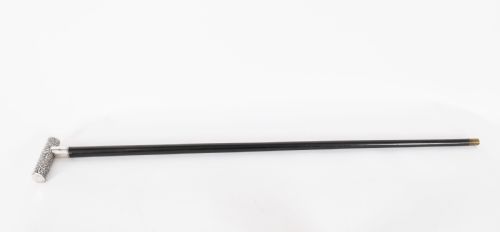
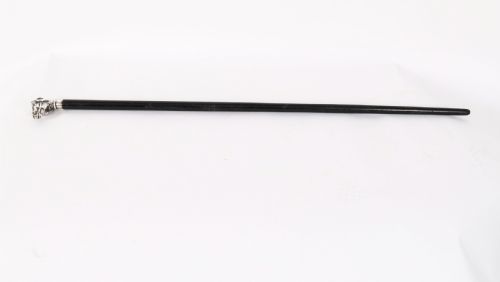
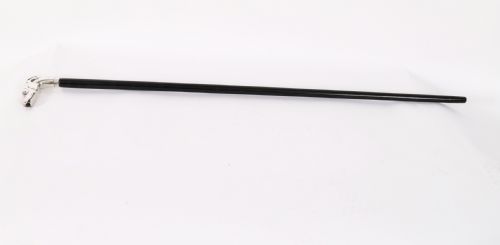
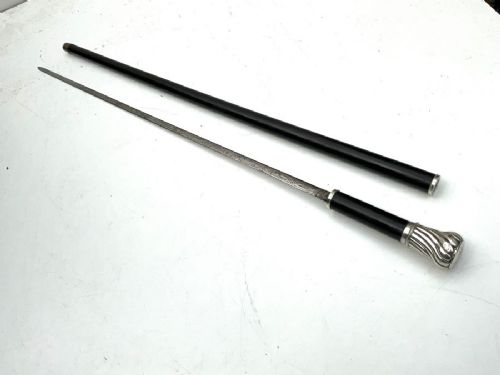
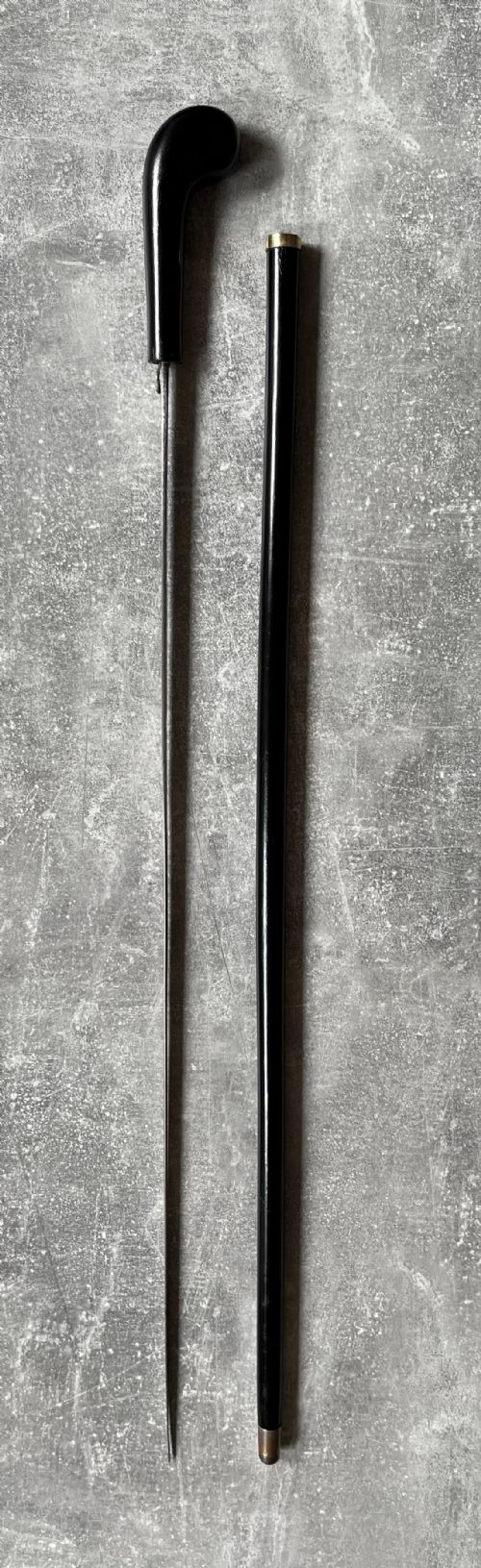
Walking sticks form a prominent part of this search, frequently featuring silver handles shaped as animals like greyhounds, horses or bears alongside hidden sword blades. These personal accessories share space with larger furnishings constructed from dark or ebonised timbers.
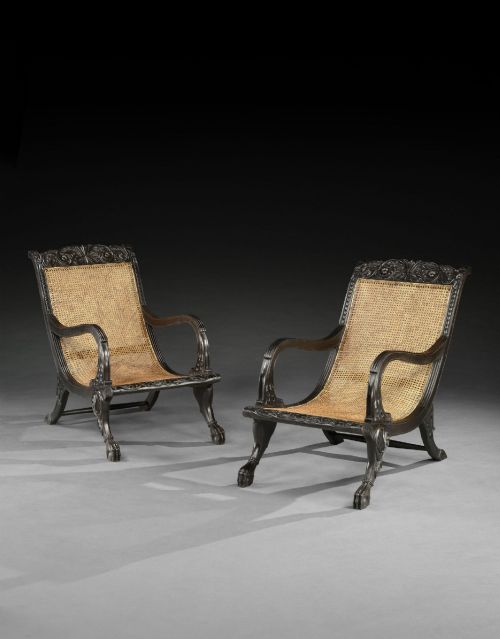
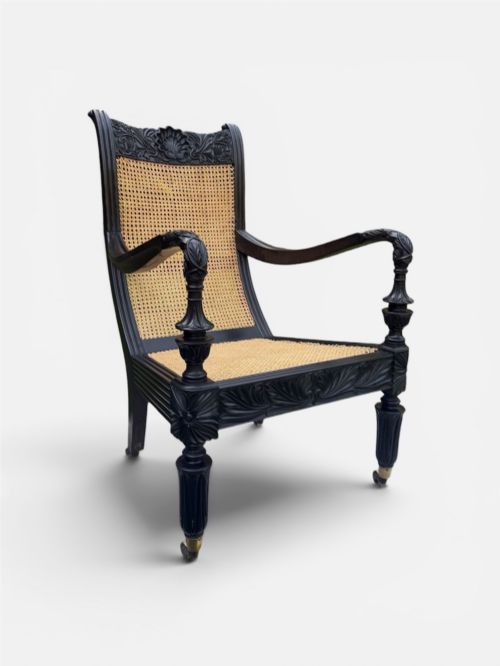
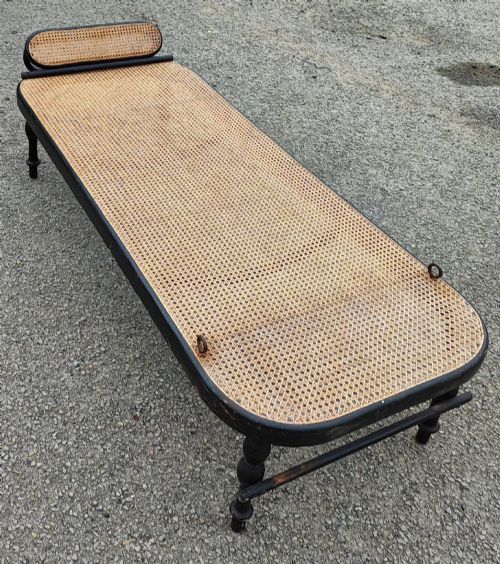
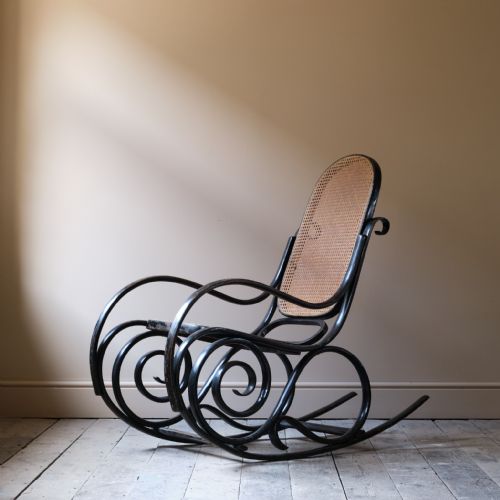
Seating and furniture appear through ebonised chairs, bergere armchairs, and bentwood designs incorporating woven cane seats. Pieces originate from diverse regional workshops including Black Forest, Anglo-Indian and Chinese export traditions.
Assessing Quality
Quality reveals itself in the crispness of carved details, especially on animal head handles and Black Forest bear stands. Superior examples display depth and precision in the carving rather than flat or generalised execution.
Materials and metalwork distinction separate standard items from finer works, such as solid ebony construction versus ebonised secondary woods, or detailed silver repoussé work on handle mounts. Structural integrity in cane weaving and joint construction further dictates the standing of a piece.
An articulated German Shepherd dog head handle hides within the walking sticks, ready to surprise anyone expecting a simple wooden shaft.
E W Godwin·Thonet
The Black Wood Cane Glossary
- Ebonised wood
- Timber treated with a dark stain or finish to imitate expensive ebony. This technique allowed makers to produce uniform black surfaces on beech and other woods.
- Bergere
- An enclosed upholstered armchair with a wooden frame and cane-work sides or back. The woven cane panels lighten the heavy appearance of dark wooden frames.
- Black Forest
- A nineteenth-century style of intricate wood carving originating from Switzerland and Germany. Pieces typically feature realistic animals like bears and dogs integrated into furniture and stick stands.
- Sword stick
- A walking cane containing a concealed blade within the shaft. These dual-purpose items often feature secure locking mechanisms in the handle.
- Bentwood
- Wood softened by steam and bent into curved shapes, notably utilised by makers such as Thonet. This process created lightweight, durable chairs and rocking furniture.
- Cane
- Material derived from the rattan palm used for woven seating and panels. It provides a resilient, breathable surface for chair seats and day beds.
Black Wood Cane: Frequently Asked Questions
What is a black wood cane?
A black wood cane generally refers to walking sticks made from dark timbers like ebony or ebonised wood. The category also extends to related furnishings and umbrella stands sharing these dark materials.
Items span various nineteenth-century styles, incorporating metal handles and carved ornamentation.
How were sword sticks used?
Sword sticks served as dual-purpose walking aids and personal defence tools for gentlemen during the nineteenth and early twentieth centuries. The concealed blade remained safely locked inside the wooden shaft until needed.
Owners carried them during urban or rural walks for added security.
How do I identify Black Forest pieces?
Black Forest pieces are characterised by realistic hand-carved animal motifs, most notably bears, dogs, and foliage. These carvings appear on walking stick handles, hall stands, and furniture.
The craftsmanship typically displays deep relief and expressive detailing in naturalistic dark woods.
How do I care for cane furniture?
Cane seating requires moderate humidity to prevent the natural rattan material from drying out and snapping. Periodic gentle dusting and occasional light moisture help maintain the flexibility of the weave.
Avoid placing these chairs near direct heat sources or in overly dry environments.