



Black Walking Cane
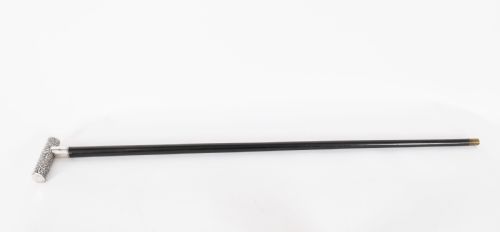
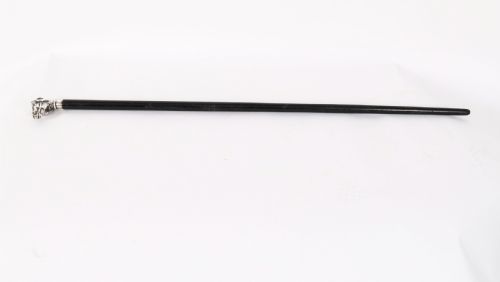
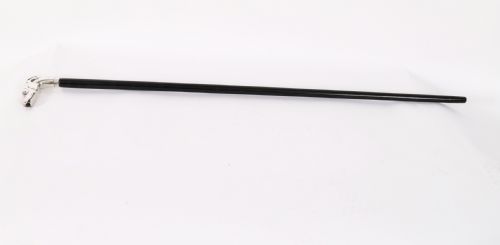
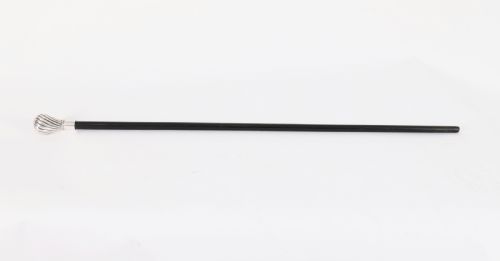
A black walking cane combines sober ebonised timber with precious metal mounts, offering both daily support and discrete protection.
Black Walking Cane
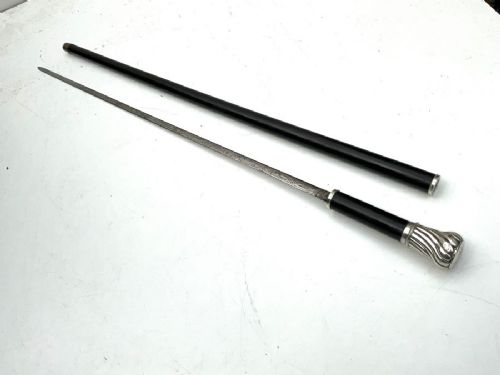
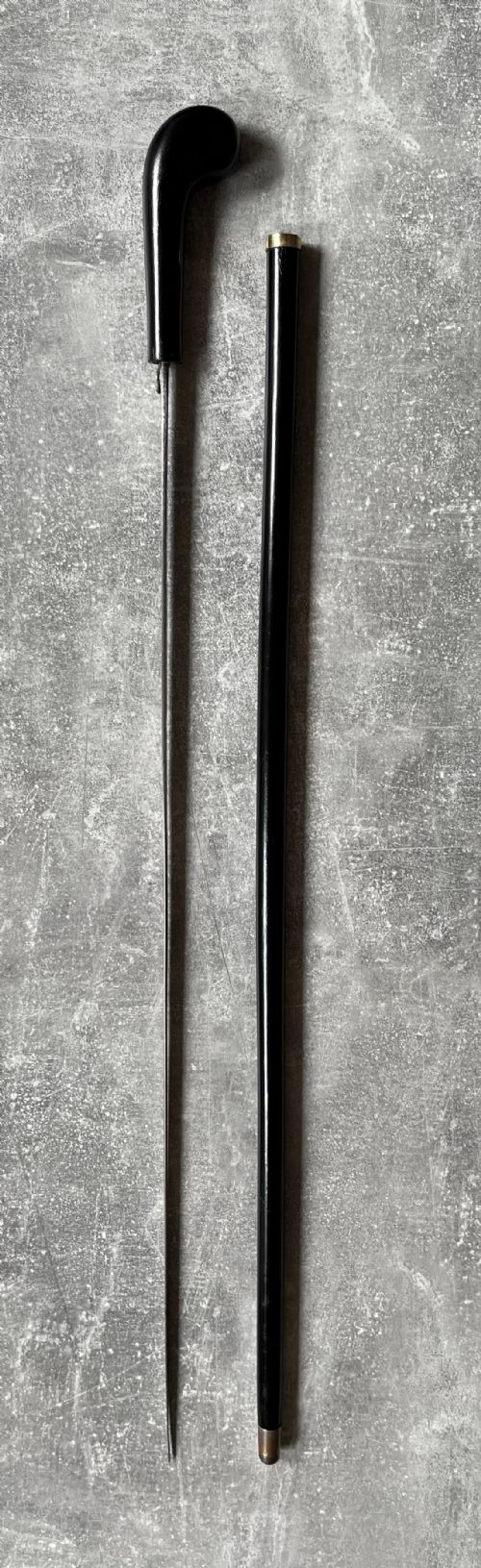
A black walking cane primarily takes the form of an ebonised wood shaft paired with a metal handle, originating mainly from the nineteenth century. Buyers encounter Victorian examples with silver mounts, black forest carved animal heads, or concealed blades designed for gentlemen.
The selection ranges from simple ebonised oak sticks to elaborate novelty handles shaped like horse heads, greyhounds, and boars, often carrying European hallmarks. Chinese export pieces featuring prunus blossom handles also appear alongside maritime items made from whalebone.
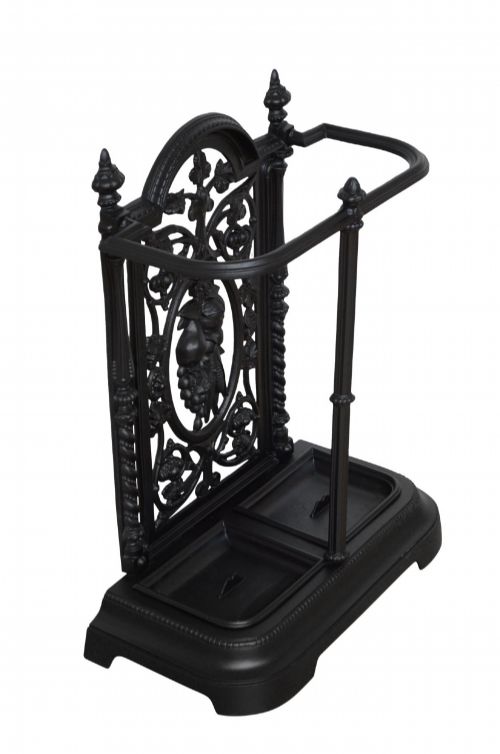
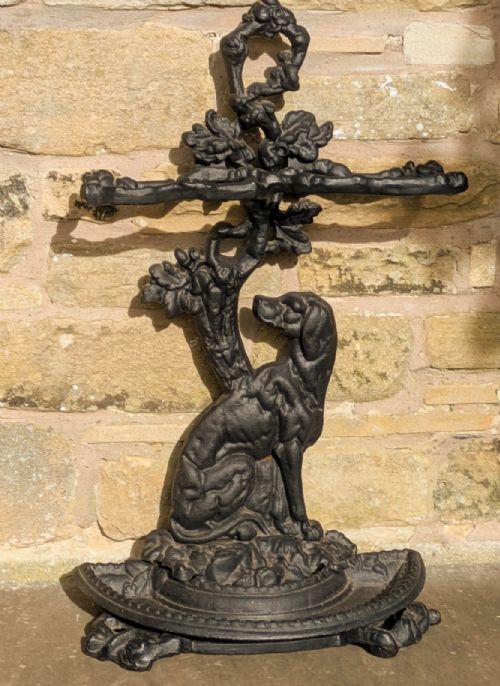
Stand accessories such as cast iron umbrella stands and stick stands in gun dog or gothic motifs frequently accompany these canes. These functional items reflect the period's domestic habit of storing walking aids in the hallway.
Materials and construction methods
Makers utilised ebonised wood, oak, and whalebone for the shafts, applying black lacquer or staining techniques to achieve a dark, uniform finish. Handles were cast from silver, silver-plate, brass, and iron, or carved from bone and wood in intricate animal and figural shapes.
Concealed Toledo steel blades turned standard walking sticks into sword sticks, requiring precise engineering to fit the blade securely inside the wooden shaft. Silver handles were typically embossed or chased with floral and animal details before being pinned to the timber.
Distinctions in craftsmanship
The standard of the handle carving and the purity of the metal separate ordinary sticks from exceptional collector pieces. Finely detailed Black Forest dog heads or high-grade silver mounts with legible hallmarks demonstrate superior workshop origin.
The integrity of the ebonised finish and the snug fit of a sword stick blade indicate the original maker's skill. Robust construction using durable timbers like oak ensures the cane endured decades of daily use without structural failure.
The Black Walking Cane Glossary
- Ebonised
- Wood treated with a black stain or finish to imitate ebony. This technique was widely used on nineteenth-century walking canes to create a dark, uniform shaft.
- Sword stick
- A walking cane containing a concealed steel blade within the shaft. Owners historically carried these for personal defence during the Victorian era.
- Hallmark
- An official stamp applied to precious metals indicating purity and origin. Silver handles on these canes frequently display English or European assay marks.
- Black Forest
- A regional style of wood carving originating from Germany known for realistic animal sculptures. Canes featuring carved dog or boar heads typically emerge from this tradition.
Black Walking Cane: Frequently Asked Questions
Are sword sticks legal to own?
Regulations regarding sword sticks vary by jurisdiction and often depend on possession laws for bladed weapons.
Buyers should check local legislation before purchasing a walking cane with a concealed blade.
How do I date a Victorian cane?
Dating relies heavily on silver hallmarks, maker marks, and stylistic clues from the handle carving.
Nineteenth-century pieces often display specific assay office stamps or decorative motifs typical of the period.
What woods were used for the shafts?
Makers utilised ebonised oak, timber, and whalebone to construct the main shaft of the cane.
Ebonising wood created a deep black appearance that contrasted with silver or brass handles.
How should I display my cane?
Antique cast iron umbrella stands and stick stands provide traditional storage for walking canes in hallways.
These heavy stands keep the sticks upright and secure while showing off the decorative handles.